


Shadows on the Durand Line: Islamabad’s Latest Barrage Escalates Perilous Regional Game
POLICY WIRE — Islamabad, Pakistan — It isn’t the booms from the ordnance or the acrid smoke wafting over porous borders that truly define the recent dust-up along the Afghan frontier. No, it’s...

POLICY WIRE — Islamabad, Pakistan — It isn’t the booms from the ordnance or the acrid smoke wafting over porous borders that truly define the recent dust-up along the Afghan frontier. No, it’s the profound, chilling silence that follows—a silence heavy with undeclared allegiances, strategic half-truths, and the quiet thrum of a deeply entrenched conflict that perpetually redraws its own rules of engagement.
Pakistan recently let loose with a barrage of strikes targeting what it alleges are militant havens. They’re telling anyone who’ll listen that its military action was recent terrorist attacks against innocent people
. You hear this a lot, don’t you? This refrain often precedes or follows some form of kinetic activity in one of the world’s most perpetually volatile regions. The pattern is so established, you could almost set your watch by it. But it doesn’t make the consequences any less messy.
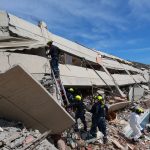
And what consequences they’re. Eyewitness accounts, gathered from aid workers and locals—people who just want to live their lives, frankly—speak of homes shattered and families scattered. They paint a picture quite removed from the sterile press releases churned out by official channels. The targeted areas, stretching into Afghanistan’s eastern provinces, have for generations been a transit point, a sanctuary, and regrettably, a battleground. This latest move from Islamabad isn’t just about blowing up a few hideouts; it’s a high-stakes poker game, where the chips are regional stability and human lives.
But how do we even begin to unpack such a complex entanglement? For starters, think about the Durand Line, that artificial, colonial-era boundary that cuts through Pashtun tribal lands like a carelessly dropped blade. It’s not just a line on a map; it’s a festering wound for many, contributing to the ethnic and nationalistic resentments that bubble just beneath the surface. For years, Pakistan has been coping with cross-border incursions. They’ve stated they’re frustrated with the [QUOTE_PLACEHOLDER] Afghanistan for harboring groups. Conversely, the Afghan side consistently insists they will [QUOTE_PLACEHOLDER] any foreign aggression. It’s a dialogue of the deaf, only with considerably more gunpowder.
Because let’s be real, the relationship between Islamabad and Kabul has always been a Gordian knot of mistrust, historical grievances, and accusations of proxy warfare. Even after the Taliban reassumed power in Afghanistan in 2021, a brief period of strained cooperation has deteriorated sharply. The irony? Pakistan was often seen as a supporter of the very same Afghan Taliban movement. Now, Islamabad contends that groups like the Tehrik-i-Taliban Pakistan (TTP), or Pakistani Taliban—who’ve killed scores of Pakistani civilians and security personnel—operate with too much impunity from Afghan soil. It’s a bitter pill to swallow for a country that’s sacrificed tremendously in its own long war on terror, an effort that, as the South Asia Terrorism Portal notes, has claimed over 27,000 civilian lives since 2003.
And so, we see these strikes, a muscle flex by a state trying to project strength and enforce its writ in a neighbourhood where everyone plays by different rules. Islamabad’s military command is acutely aware of the message it sends—not just to militants, but to the Afghan interim government. It’s a warning shot, perhaps, but one that could easily backfire, igniting a broader conflagration. What they’ve done is rattle an already rickety regional peace, a dangerous proposition considering the delicate state of affairs across South Asia. Just look at the enduring fault lines in Jerusalem or the high-wire act in Dhaka; regional tensions always come with a price.
It’s also worth noting the internal political dimension. Pakistan itself is wrestling with immense domestic pressures, from economic instability to political infighting. These cross-border actions can, at times, serve as a convenient distraction—a way to rally the flag, unify disparate factions, or project an image of resolute leadership. But this kind of strategy is like using a sledgehammer to fix a watch. It might grab headlines, but it often damages more than it repairs.
What This Means
This aggressive posturing isn’t just a kinetic event; it’s a profound strategic gamble. Politically, Islamabad is signaling a zero-tolerance approach to cross-border militancy, even if it means alienating its western neighbor—a country it historically viewed as a strategic ally against India. But this might backfire badly. The strikes inflame nationalist sentiments within Afghanistan and could push the Afghan Taliban to double down on their perceived sovereignty, perhaps even increasing, rather than decreasing, their tacit support for groups like the TTP. We’re talking about an echo chamber of retaliatory measures. Pakistan’s actions, however justifiable they see them, weaken already fragile diplomatic channels and exacerbate an already dire humanitarian situation on both sides of the border.
Economically, the impact is insidious. Cross-border trade, already hampered by poor infrastructure — and rampant corruption, suffers further. Instability breeds capital flight, discourages investment, and makes daily life an even tougher grind for ordinary citizens. Donor fatigue could set in faster, too. For the broader Muslim world, particularly in South Asia, this highlights the persistent struggle of nation-states with colonial legacies and porous borders, constantly battling insurgencies that don’t respect international lines. This isn’t just a local spat; it’s a snapshot of a recurring regional malady, proving once more that in geopolitics, few gains are truly decisive. Every action begets a reaction, often unintended, leaving civilians to pick up the pieces—again and again. It’s the cost of firepower becoming a political echo chamber.