


Cabin Conflict’s Grim End: Passenger Dies After Mid-Flight Restraint
POLICY WIRE — London, UK — Forget the usual turbulence, that predictable jostle against your coffee cup. The skies these days are becoming arenas of an entirely different, far more unsettling kind of...

POLICY WIRE — London, UK — Forget the usual turbulence, that predictable jostle against your coffee cup. The skies these days are becoming arenas of an entirely different, far more unsettling kind of instability. It isn’t just a bump in the air, but a crack in the civility that once — quaintly, it seems — defined air travel. It’s becoming rough out there. And it’s not just about legroom anymore.
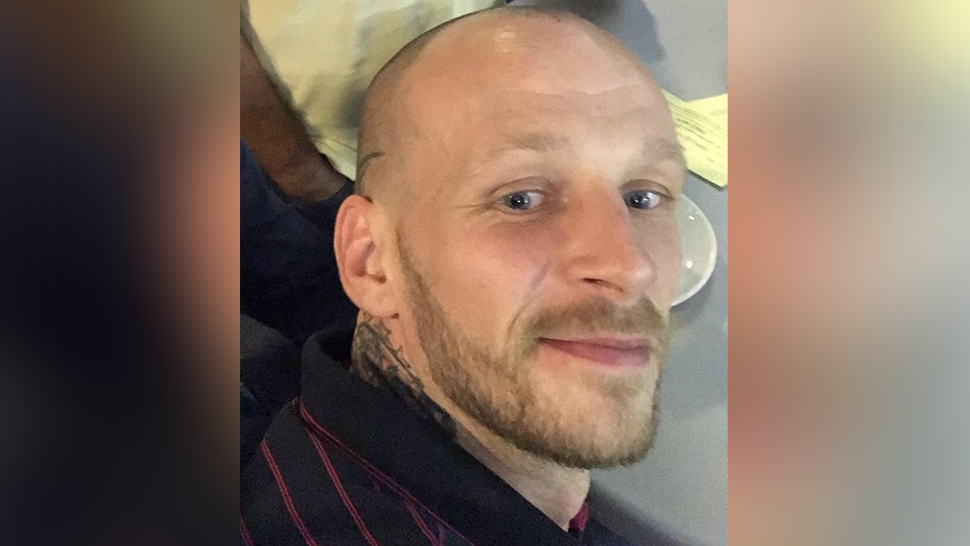
Take the Jet2 incident, for instance. A seemingly routine flight, destination unknown at this moment, spiraled into a nightmare when a passenger became what airline staff simply refer to as [QUOTE_PLACEHOLDER]. The kind of scenario every cabin crew member dreads, every traveler hopes never to witness. Because, well, things went sideways fast. The passenger, an individual whose identity remains, for now, private, was reportedly [QUOTE_PLACEHOLDER] due to their behavior. Then, tragically, after being restrained, that person died. Right there, airborne, between departure — and destination, life simply ceased. It’s a sobering thought, isn’t it?
It wasn’t an ordinary medical emergency; this involved intervention. Physical restraint. A last-resort measure. Such actions invariably spark immediate investigations, reams of paperwork, and agonizing self-reflection for the airline and crew involved. Every single action taken will be dissected, forensically examined by lawyers, regulators, and a public hungry for details. It’s a high-stakes environment, where decisions made in milliseconds, under immense pressure, can unravel careers and tarnish reputations. And let’s be blunt, they’ll be sifting through the protocols like vultures on a carcass, searching for answers—or perhaps, someone to blame.
Airlines worldwide are grappling with a disconcerting uptick in onboard aggression. The International Air Transport Association (IATA) reported a 47% increase in unruly passenger incidents in 2022 compared to 2021. That’s nearly a 50% jump in folks losing their minds above 30,000 feet. Not just a minor irritation; these are incidents that jeopardize safety, force diversions, and increasingly, as we’ve seen, have dire outcomes. But it also means security measures, crew training, and passenger screening procedures — from London to Lahore — are under constant, intense pressure. The incident puts a glaring spotlight on whether current airline policies and training adequately prepare crew for these escalating challenges. It’s one thing to serve drinks; it’s quite another to subdue an agitated person at 500 mph.
There’s a subtle, almost unspoken layer to these incidents on international routes. The human cargo on these behemoth birds—it’s a swirling kaleidoscope of cultures, expectations, and personal tolerances. A gesture that’s innocent in Birmingham could be deeply offensive in Balochistan. The pressure cooker of a sealed aluminum tube only magnifies these frictions. It’s not always simple malice. Sometimes it’s sheer misunderstanding, cultural clashes simmering beneath the polite veneer of holiday travel. And frankly, this puts immense strain on crew members, often drawn from a diverse international pool themselves, to de-escalate without exacerbating issues.
We’re talking about global traffic, you see, a world on the move. And with it, a collision of worldviews within cramped quarters. A friend of mine, a former pilot who frequently flew routes touching the Muslim world, once mused on how specific cultural norms around personal space, gender interaction, or even the consumption of alcohol could morph into flashpoints when mismanaged. These are realities airlines — like this one — navigate daily. This tragic event on a Jet2 flight—[QUOTE_PLACEHOLDER]—it’s not just a statistic; it’s a raw nerve in the evolving, sometimes violent, landscape of air travel. A real problem, because flights often bring people from profoundly different walks of life into inescapable proximity, a melting pot in the sky. Or maybe, a pressure cooker. We just don’t know the specifics of what truly led to this passenger’s distress, or if any particular background played a role in the situation, as the original report [QUOTE_PLACEHOLDER]. But the global backdrop remains.
What This Means
This incident is more than just a grim footnote in the Jet2 operational log. It’s a jarring reminder that the seemingly sterile, highly regulated environment of air travel is anything but immune to the escalating frictions we see on the ground. Economically, we could see a push for enhanced—and often costly—training for flight attendants, focusing on de-escalation tactics that move beyond textbook scenarios. Insurers, always attentive to risk, will undoubtedly be recalculating premiums for airlines, especially those experiencing frequent disruptive incidents, potentially pushing ticket prices ever so slightly higher. But because airline margins are already thin, these extra costs will likely filter down to the customer.
Politically, the reverberations aren’t as immediate but they’re insidious. Governments, particularly those whose citizens might be implicated in similar future events, will watch carefully. For Pakistan and other South Asian nations with vast diaspora populations relying on international air links, such incidents raise uncomfortable questions about how their citizens are treated abroad and the often-fraught cultural dynamics on global carriers. There’s already enough scrutiny — and political theater around travel restrictions, isn’t there? An incident like this, if not handled with transparency, can fan the flames of distrust or even influence public perceptions of specific groups—a particularly unwelcome prospect in our already fragmented global political climate. It’s never just about one person on one flight; these events ripple, influencing policies and perceptions far beyond the cabin door. It’s why this isn’t just a morbid story. It’s a stark indicator of larger societal shifts in patience, civility, and what we consider acceptable behavior in public, even 30,000 feet up. For air travel’s future, it means more scrutiny, tighter rules, — and probably, fewer cheap thrills. That’s the real takeaway.