

Aftershocks in Philly: Venezuelan Diaspora Mobilizes Amid Quake Havoc, Echoing Global Displacement
POLICY WIRE — Philadelphia, U.S. — The scent of strong coffee and simmering plantains usually fills the corners of Northeast Philadelphia’s Venezuelan enclaves—a comfort zone for a population too...

POLICY WIRE — Philadelphia, U.S. — The scent of strong coffee and simmering plantains usually fills the corners of Northeast Philadelphia’s Venezuelan enclaves—a comfort zone for a population too long displaced. But these days, an invisible chill, a particular sort of dread, has settled over their neighborhoods. Distant tremors, geological upheavals thousands of miles away, are sending seismic shudders straight into their hearts, leaving them on edge, yet, also galvanizing.
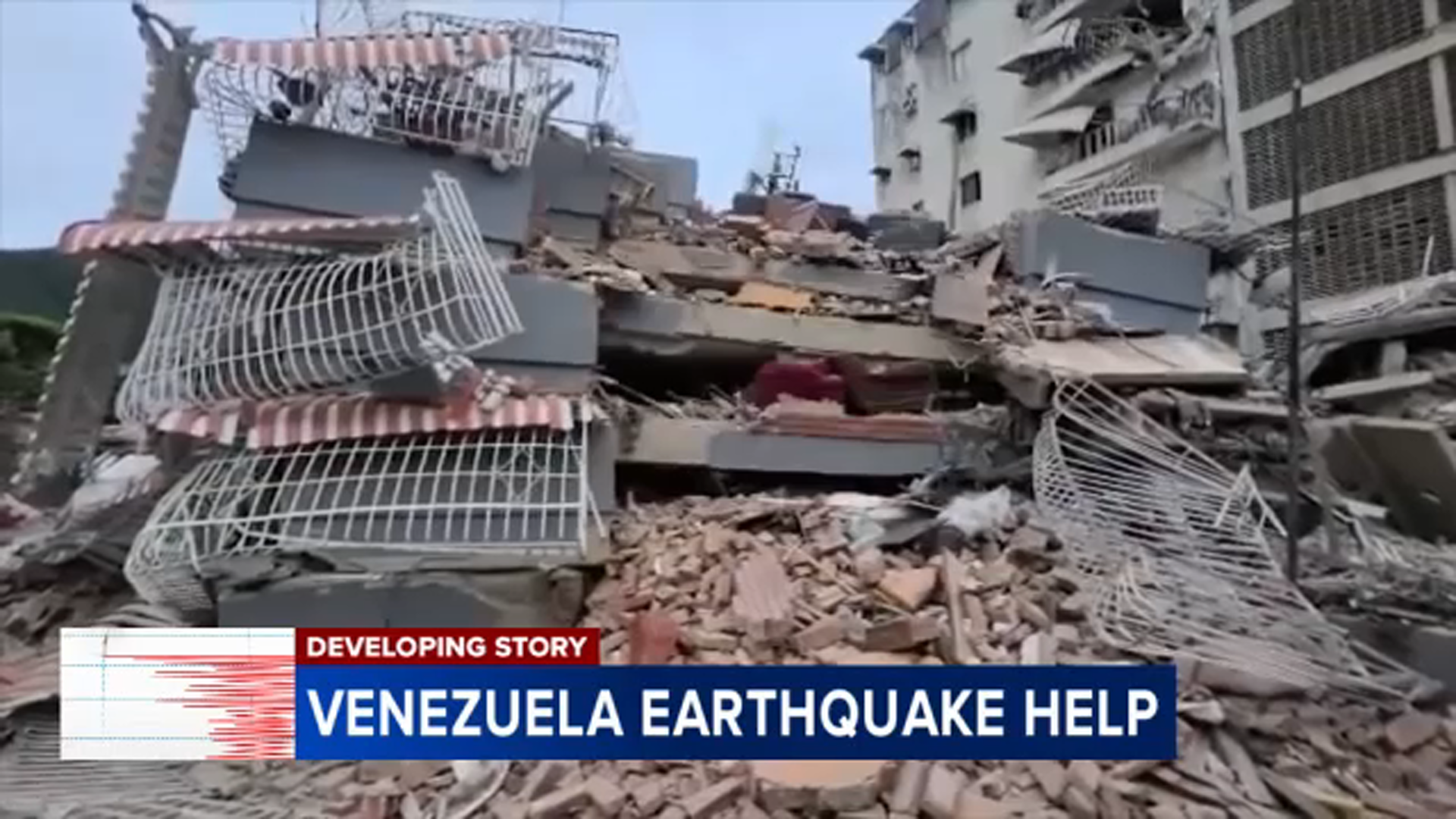
It’s not the ground here that’s shaking, of course. It’s the news from back home, reports of fresh and deadly earthquakes ripping through Venezuelan soil, deepening an already unimaginable humanitarian crisis. Many of these folks, they didn’t just leave their country; they fled a system. And now, this—a natural disaster piled atop a man-made one. It’s a gut-wrenching double blow for a community that already carries the heavy burden of exile. [QUOTE_PLACEHOLDER]
From kitchen tables to WhatsApp groups, the talk isn’t of local Phillies games or school schedules. It’s about damaged homes, lost relatives, the seemingly impossible logistics of sending help across a continent and through a bureaucratic quagmire. People are pulling what little they’ve got. We’re talking about money, clothes, medical supplies—anything that can offer even a flicker of relief to families already stretched thin. Their collective angst is a raw thing, exposed for anyone paying attention. But not everyone is, are they?
For this Philadelphia cohort, numbering some 20,000 to 30,000 across the metro area, as suggested by local outreach organizations tracking migrant populations, this isn’t charity from a distance; it’s a visceral, deeply personal obligation. Every shaken foundation, every fractured wall reported in the meager news dispatches, feels like a direct assault on their very being. You see the worn faces, the lines around eyes that haven’t slept enough, the restless energy of people trying to do something—anything—when all they want is to be there.
Organizing aid from half a world away is no picnic. It never is. The established channels for humanitarian relief to Venezuela have been notoriously difficult, politicized and, frankly, often unreliable for years. But they don’t have much choice. They’re collecting funds through GoFundMe pages, packing boxes in community centers, calling on every friend, every cousin, every acquaintance still inside the country who might be able to ensure aid gets to the right hands. It’s a complicated, fragile supply chain built on trust, desperation, and old ties, operating completely outside conventional state-level foreign aid mechanisms.
And these private initiatives, while born of genuine despair, also lay bare the profound shortcomings of global disaster response when political headwinds are stiff. The international community, after all, has been trying to navigate Venezuela’s complicated political landscape for years. Now, natural calamity throws a wrench into an already broken machine. It forces individuals, rather than nations, to become the front-line responders. And sometimes, that’s just how it has to be, unfortunately.
Think about it. We see similar patterns emerge time — and again with dispossessed populations. The Kashmiri diaspora, for instance, has long battled to send direct relief after floods or seismic events hit the beleaguered region—a struggle complicated by geopolitical tensions and contested borders, not just by natural hazards. Or the Palestinian diaspora, perpetually engaged in a similar, often frustrating, long-distance ballet of support and political advocacy. The Venezuelan plight, while unique in its genesis, shares this uncomfortable truth with other diasporas: when official channels falter, the burden falls to the very people who were forced to leave.
This situation also pulls back the curtain on the quiet despair that so often defines a looming humanitarian quagmire. The stories emerging—even if only whispered or through blurry cell phone videos—are grim. Reports speak of remote villages cut off, roads impassable, and basic infrastructure crumbling under the weight of not just the quakes but decades of neglect. Because once the dust settles from the initial tremor, the deeper cracks, the structural faults of the state, become even more apparent. That’s a political aftershock. And it hits hard.
What the Philadelphia community is doing, essentially, is a lesson in resilience, an exercise in determined, grassroots diplomacy born of familial love. It’s an act of self-reliance, sure. But it’s also a stark indictment of how international aid, for all its grand proclamations, can often get tangled in political knots, leaving citizens to fend for their own in the most trying of times.
What This Means
The galvanized response of Philadelphia’s Venezuelan diaspora to the recent earthquakes isn’t just a heartwarming tale of community spirit; it’s a trenchant illustration of how modern political and economic dysfunctions refract through natural disasters. Economically, these grassroots efforts represent an informal but absolutely reluctant lifeline, a system of remittances and direct aid that bypasses, by necessity, a dysfunctional state apparatus. This can offer immediate relief but doesn’t address the systemic weaknesses that make Venezuela so vulnerable to begin with. It also means significant funds that would normally flow into local economies (if spent by migrants in their adopted countries) are instead repatriated in a desperate attempt to shore up crumbling lives abroad.
Politically, the mobilization spotlights the inherent tensions in humanitarian aid to countries with opaque, often adversarial, governments. International bodies and foreign powers often struggle to ensure aid reaches those who need it, wary of inadvertently legitimizing regimes or having supplies diverted. This puts the onus on diaspora groups to act as both donor and de facto distribution network, a role they’re often ill-equipped for, despite their deep motivation. It’s a tragic state of affairs, signaling a broader erosion of international humanitarian norms, where even an act of God is quickly politicized. Ultimately, the ability of a community in Philadelphia to bypass traditional channels points to a significant, and troubling, shift in global relief efforts—one where individuals carry a load usually borne by nations. And that’s not sustainable, not in the long run.