


Zorro Ranch Probe Unveils More Than Dirt: Legal Dance and Lingering Shadows
POLICY WIRE — Santa Fe, N.M. — It takes more than just kicking down a door to dismantle the lingering shadows of extraordinary privilege and unimaginable horror. Sometimes, it’s about bodycams...

POLICY WIRE — Santa Fe, N.M. — It takes more than just kicking down a door to dismantle the lingering shadows of extraordinary privilege and unimaginable horror. Sometimes, it’s about bodycams rolling at dawn, mapping out a mansion like a crime scene chalk outline, room by painstaking room. Sometimes, it’s about lawyers huddling, meticulously debating the removal of a rug, even as a public baying for immediate answers watches impatiently from the sidelines. That’s the grinding, almost theatrical reality unfolding in New Mexico as state investigators—with the clock ticking, by the way—poke through what’s left of Jeffrey Epstein’s Zorro Ranch, searching for anything substantial enough to put the dead man’s deeds back in the unforgiving spotlight.
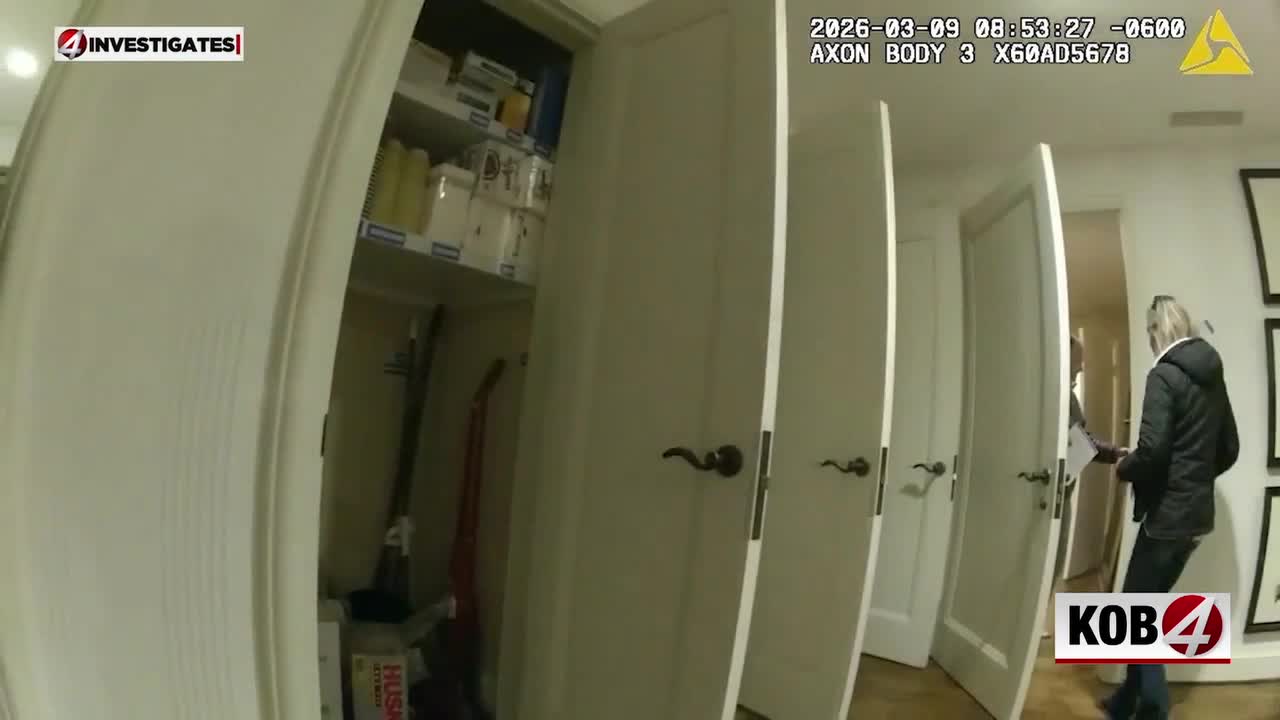
It’s a peculiar kind of bureaucratic dance, this criminal investigation led by the New Mexico Department of Justice under Attorney General Raúl Torrez. For folks wanting simple, swift justice, it can feel like watching paint dry on a particularly elaborate mural. We’ve seen a rare peek behind the curtain, via bodycam footage obtained by 4 Investigates, showing agents moving with the solemn, methodical precision of undertakers. Shortly after 6:30 a.m. on March 9, they gathered outside the main residence, planning their attack on a sprawling estate, discussing how they’d document every inch. Rooms were assigned identifiers; investigative packets were distributed. And every, single, evidence documentation procedure was reviewed before anyone so much as touched a doorknob.
And what did this highly choreographed ballet yield over the next 13 hours? A whole lot of cataloguing. Doors were opened, rooms were catalogued, photographs were taken. Drawers, furniture — and storage areas were examined. They worked, you can bet your last dollar, methodically through the estate. The focus wasn’t just on what was there, but specifically whether items found on the property could be traced to Epstein’s ownership. Funny, isn’t it? How the dead still manage to complicate things with property lines — and receipts.
But here’s the kicker, folks: even with this official diligence, the hands of justice often feel tied. Representatives for the property’s current owner, Texas businessman Don Huffines, remained on site throughout the search. And footage shows someone emphasized that consent agreements governing the search operation would have to be followed before any intrusive searches or evidence seizures could occur. Think about that for a second. Discussions involving attorneys were required before carpets could be removed or property seized. Imagine having to argue with lawyers about taking up a rug that might, just might, be hiding something abhorrent.
It’s enough to make you sigh, really. Law enforcement noted when their body-worn cameras should be turned off, and New Mexico’s public records law allows officials to heavily redact or digitally obscure bodycam footage before charges are filed. It’s a process cloaked in caveats, where privacy, even the privacy of an estate once owned by a monster, seems to sometimes outweigh the full transparency many survivors crave. Torrez, for his part, hasn’t promised charges. But he did say, — and this is important, [QUOTE_PLACEHOLDER]. He’s playing the long game.
Because ultimately, this isn’t just about Zorro Ranch, is it? It’s about a persistent, global sickness. Whether it’s the quiet anguish of victims here in the West, or the uphill fight for justice faced by women and girls in the Muslim world, as highlighted by stories like Acid Stain: Pakistan Doctor’s Attack Exposes Gritty Truths on Women’s Safety, the mechanisms for accountability are often slow, fraught, and maddeningly constrained. Justice for the vulnerable shouldn’t be such a difficult prize to claim.
Back in New Mexico, over 100 tips have been submitted through the attorney general’s online portal —a staggering number reflecting the public’s enduring demand for answers. Investigators are digging through millions of pages of redacted Epstein-related records, desperately trying to unearth whatever the man tried to bury. But even then, Torrez himself admits that the most significant evidence may not be located at the ranch itself. Nope, it’s probably out there, in the memories — and pain of those who suffered.
The office continues to seek access to unredacted Epstein files, because corroborating witness accounts and evaluating investigative leads demands everything. And in a glimmer of anticipated federal cooperation, the First Assistant U.S. Attorney for New Mexico, Ryan Ellison, said he anticipated [QUOTE_PLACEHOLDER] from his office. So, the slow churn grinds on, this sprawling saga a stark reminder of what happens when the very, very rich play by their own rules for far too long.
What This Means
This Zorro Ranch investigation, for all its deliberate pace — and procedural thickets, tells us a couple of things. Firstly, the long tail of Jeffrey Epstein’s criminality stretches far, ensnaring state resources and reputation in a grim dance years after his death. This isn’t just a clean-up; it’s a political undertaking with high stakes. Failure to find definitive evidence or secure charges, however complex the legal landscape, could erode public trust in law enforcement’s capacity to tackle crimes committed by the ultra-wealthy.
Secondly, the focus on obtaining more information from potential survivors signals a strategy that leans heavily on human testimony, rather than just forensic finds from a physical location. That makes sense, because it adds profound political weight to the investigation—it isn’t just about things, it’s about people. This shift towards amplifying survivor voices can influence public policy around victim protection and support, possibly pushing for stronger state-level protections for those who come forward. But also, it’s a grueling path. Because truth, as we’re seeing, isn’t always easily unearthed. Sometimes, it demands a hell of a lot more than just bodycams — and patience. It demands that survivors re-live their pain, under a microscope. It’s never simple, this pursuit of justice.