


Rotten to the Core: Colorado Mortuary’s Secret Grave and Eroding Public Trust
POLICY WIRE — Pueblo, Colorado — Twenty-four secrets—silent, stark, and utterly shocking—came spilling out when authorities busted open a hidden chamber at a Pueblo County mortuary. It wasn’t a...

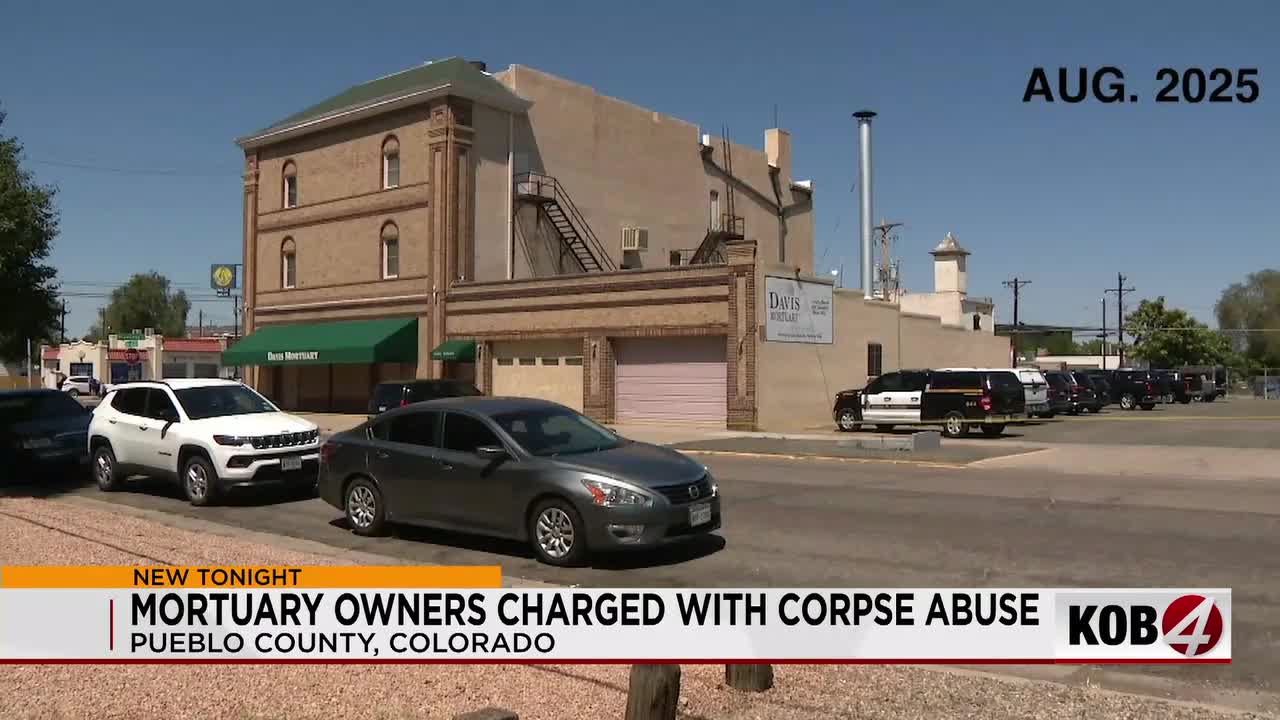
POLICY WIRE — Pueblo, Colorado — Twenty-four secrets—silent, stark, and utterly shocking—came spilling out when authorities busted open a hidden chamber at a Pueblo County mortuary. It wasn’t a dusty, forgotten vault. Instead, investigators found two dozen bodies behind a concealed door. That’s how many, for all intents and purposes, lay forgotten by the living, allegedly by men entrusted with their final journey.
It’s not often a single incident peels back layers of civic complacency with such grotesque precision. But this case, where the dead became commodities, managed it beautifully—and tragically. These weren’t anonymous souls; investigators identified 19 of the bodies. One belonged to Nicole Rider’s father, who Rider said her father died in 2011. Imagine that: eleven years of grieving, thinking your loved one was respectfully handled, only for them to turn up in a back room like misplaced baggage. [QUOTE_PLACEHOLDER]
And yes, the whole ugly affair drew national attention last year, as well it should. It shone a brutal spotlight on the mortuary in Pueblo County, Colorado, — and the folks running it. But this isn’t just some local Colorado crime blotter entry. This is a cold, hard look at what happens when oversight fails, when trust evaporates, and when the most sacred rituals become ripe for exploitation.
Authorities accused brothers Christopher Cotter — and Brian Cotter, who own the mortuary, of improperly storing bodies. Improperly storing bodies barely scratches the surface, doesn’t it? The court records show they face more than 100 counts. That’s a hundred distinct allegations of things going horribly, unforgivably wrong. Those charges include corpse abuse, forgery and theft—a trifecta of transgressions that cut right to the core of what it means to be human and, critically, how we treat our dead. Nicole Rider, whose anguish is entirely understandable, spoke for many when she said, I’m happy that they’ve been charged.
She quickly added, I’ll be even happier when they’re in prison for a very long time.
A sentiment as raw as it’s righteous.
But the damage goes deeper than individual heartache. Because when a system designed to provide closure delivers such an abominable betrayal, it doesn’t just erode faith in that specific business. It starts chipping away at the foundation of institutional trust, that fragile belief we place in the professionals, regulations, and norms meant to protect us from such barbarity. The brothers will face a judge Friday, though the legal machinations, as crucial as they’re, won’t immediately heal the open wound of this saga.
The funeral industry, broadly, is a realm where the vulnerable are, by definition, dependent. People in grief are not in a state to haggle or scrutinize fine print. They need solace, not scams. So, a lack of consistent regulatory vigor here isn’t just an oversight; it’s an invitation to misconduct. And believe you me, there are few sectors where an invitation like that goes unanswered.
This kind of spectacular breakdown—this commercializing of dignity, or rather, the stripping of it—isn’t solely an American problem. In societies across the globe, particularly in places with less robust legal frameworks or greater economic disparities, the mistreatment of the dead, or the living through predatory practices around death, is a harrowing reality. Think about parts of the Muslim world, where burial rites are deeply enshrined in faith — and tradition. The handling of the deceased is not just a matter of public health but of profound spiritual observance. Any desecration or economic exploitation in such contexts carries an exponentially heavier burden, shattering family honor and collective spiritual peace. This Pueblo County debacle, while different in specifics, resonates with that universal horror of ultimate disrespect.
It’s a grim reminder that regulatory scrutiny must not only exist but must be ruthlessly enforced, especially in industries that deal with life’s most tender moments. A study by the Federal Trade Commission in 2021 found that nearly 30% of funeral homes across the U.S. were non-compliant with their ‘Funeral Rule,’ which mandates price disclosures, highlighting a widespread disregard for basic transparency. It ain’t just Pueblo; it’s a systemic frailty.
What This Means
This saga has profound implications, stretching far beyond the confines of Pueblo County. Politically, it signals a gaping hole in consumer protection — and oversight, particularly at the state and local levels. The fact that two mortuary owners
could operate a facility for so long, allegedly accumulating 24 bodies behind a concealed door
while running their operation, suggests either an astonishing lack of regular inspection or an industry framework so lax it’s practically an open invitation to abuse. This won’t lead to grand congressional hearings on mortuary practices—it’s too niche for that—but it absolutely should prompt local and state legislatures to dust off their statutes concerning end-of-life services. Think about the outrage and subsequent legislative action you’d see if similar systemic neglect affected, say, childcare centers. Why is this any different?
Economically, this sort of misconduct undermines legitimate businesses and fuels a deeper distrust in professional services. When headlines scream about corpse abuse and theft charges, it tarnishes the reputation of every hardworking, ethical funeral director trying to serve their community with integrity. for a service often rendered under emotional duress, the potential for fraud increases, forcing consumers to be wary during their most vulnerable times. The ripple effect here could even touch how families across different economic strata plan for end-of-life care, potentially driving a wedge between accessible, affordable services and the perceived necessity of high-cost providers in a desperate search for trust. It speaks to a global phenomenon where industries managing the intimate moments of human existence—from births to burials—become profit centers where exploitation can flourish if unchecked. This is where vigilance isn’t just good policy; it’s essential to maintaining the social contract itself, something we in the U.S. tend to forget, often pointing fingers at regulatory gaps in places like South Asia rather than cleaning our own house first. Perhaps, even, Pakistan’s challenges with regulatory enforcement have parallels in seemingly regulated Western industries where oversight can sometimes be superficial, leaving individuals exposed.