


City’s Quiet Coup: Midfield Prodigy’s Move Reignites Premier League’s Age-Old Power Play
POLICY WIRE — Manchester, UK — Another transfer window, another twist in England’s unending football saga. This isn’t just about a player switching clubs; it’s a cold,...

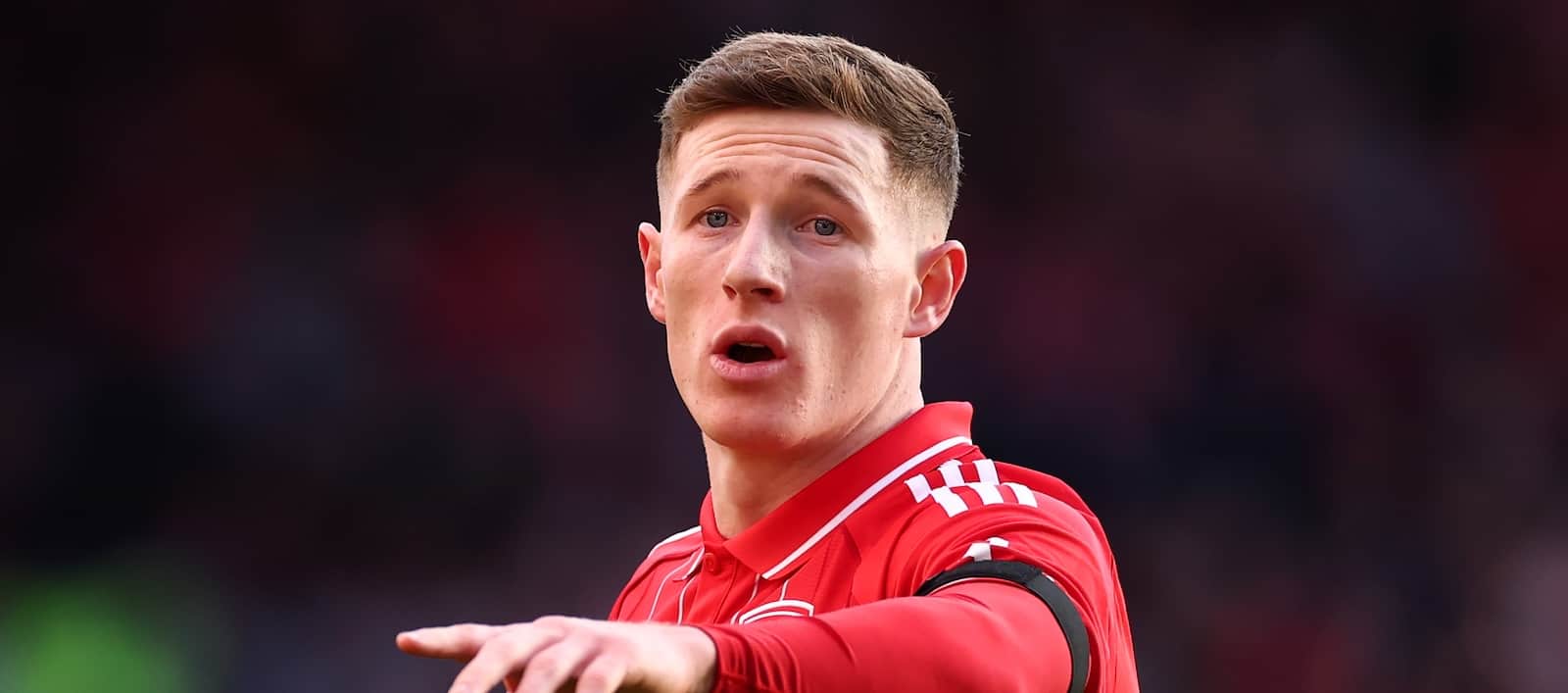
POLICY WIRE — Manchester, UK — Another transfer window, another twist in England’s unending football saga. This isn’t just about a player switching clubs; it’s a cold, hard reminder of where power truly sits in the global game — and sometimes, it’s not even about the deepest pockets. Manchester City, a name synonymous with methodical domination, has reportedly sealed a deal for Nottingham Forest’s burgeoning midfield talent, Elliot Anderson. It’s a move that doesn’t just bolster their already formidable squad; it delivers a rather pointed jab at rivals Manchester United, who had apparently coveted the youngster for months.
It’s always a chess match, isn’t it? For weeks, United’s faithful — — and their well-connected scouts — thought Anderson was their prize to claim. The young midfielder, despite toiling for a Nottingham Forest side that spent much of the season scrapping to stay up, genuinely sparkled. His ability to control the middle of the park, to see passes others missed, it truly grabbed eyeballs. But in this game, admiration isn’t currency. It’s persuasion, trajectory, — and perhaps, the shimmering allure of guaranteed glory. City knows a thing or two about that.
Because that’s the thing about top-tier football — it’s an ecosystem. A brutal, beautiful one. Even a club like Manchester United, steeped in tradition and an overflowing trophy cabinet (albeit one that’s seen better days, frankly), can find themselves on the losing end of a recruitment battle. We hear the murmurs about players prioritizing a specific “project.” Usually, that means they’re heading where the silverware is guaranteed, or where their particular skillset gets the best coaching money can buy. Anderson, by all accounts, was eyeing blue from the jump.
“We certainly identified Anderson as a considerable talent, yes. His market valuation reflects that,” noted a Manchester United executive, who requested anonymity to speak candidly on a ‘missed’ opportunity. “Sometimes in this market, despite rigorous scouting and a competitive offer, players gravitate towards established projects that align with their immediate aspirations. It’s a reality we’re continually adapting to, especially in the modern climate where player choice is paramount.” Sounds like professional disappointment, doesn’t it?
On the flip side, City’s hierarchy doesn’t do disappointment much. Their strategy is often compared to a well-oiled machine — efficient, precise, — and utterly ruthless. They don’t just sign; they strategize. And often, they win. “Elliot’s arrival simply underscores our long-term vision. We aren’t just signing a name; we’re investing in a future architect for our midfield,” stated City’s Director of Football, Txiki Begiristain, in a rare, public comment. “This move wasn’t about simply outbidding; it was about presenting the most compelling pathway for his development. He chose us, — and we’re truly thrilled to welcome him.”
This whole situation highlights an uncomfortable truth: money isn’t everything anymore in transfers — it’s *how* you spend it, and what you promise a player beyond the paycheque. It’s about a club’s brand power, its track record of developing (or at least elevating) talent, and yes, that shimmering allure of victory. The English Premier League’s total broadcast revenue, by the way, reached a staggering £5.9 billion (approximately $7.5 billion USD) for the 2022-2023 season. That’s why clubs spend; because the stakes are ludicrously high.
But how does this play out beyond the manicured pitches of England? Well, for the millions of avid football fans in Pakistan and across the South Asian subcontinent — regions where English football’s popularity rivals, and sometimes surpasses, local sports — these movements are closely watched. From Karachi cafes to Dhaka drawing rooms, every “here we go” confirmation from transfer journalists is dissected. It’s about more than just allegiances; it’s about shared global aspiration. Young athletes dream of such moves. It’s how talent, like capital, flows across the globe, impacting economies and cultural identities, as seen in sectors beyond sport. One might even draw parallels to how global tech giants compete for top engineers, impacting places like Hong Kong’s AI market.
What This Means
Elliot Anderson’s transfer to Manchester City isn’t just another line on a summer transactions list; it’s a bellwether for the Premier League’s evolving power dynamics. For Manchester United, it represents a stinging failure to secure a high-priority target, raising questions yet again about their recruitment efficacy and whether their “project” holds enough appeal to young stars when directly competing with City’s unyielding success. Economically, this move demonstrates City’s continued dominance in identifying and securing talent even amidst strict Financial Fair Play rules, suggesting shrewd market navigation rather than mere financial brute force. It signals that a club’s ‘proven pathway to success’ is becoming an increasingly important bargaining chip, potentially outranking the sheer historical prestige of old money rivals. Politically, within the footballing world, it subtly strengthens City’s psychological advantage, underlining their allure. And culturally, it reinforces the narrative of English football as a hyper-competitive, high-stakes arena where only the most adaptable — and those with a clear, compelling vision — truly thrive.