


Acid Stain: Pakistan Doctor’s Attack Exposes Gritty Truths on Women’s Safety
POLICY WIRE — Quetta, Pakistan — Justice, or at least a grim form of it, descended with unsettling speed. Just hours after a vicious assault, the alleged attacker in a harrowing acid incident...

POLICY WIRE — Quetta, Pakistan — Justice, or at least a grim form of it, descended with unsettling speed. Just hours after a vicious assault, the alleged attacker in a harrowing acid incident involving a female doctor was summarily dispatched. But this abrupt closure does little to quiet the raw fury and fear bubbling through Pakistan’s medical fraternity—a collective unease far deeper than one heinous act. It’s an age-old narrative, sadly, about women daring to work in public view, battling not just illness but often a lurking, malevolent societal resistance.
It was Saturday when a facility, meant for healing, became a site of brutal harm. A man named Humayun Shah—a lift operator, of all things—reportedly targeted Mahnoor Nasir at her hospital in Quetta. And then, he just let fly. The substance, corroding through skin and innocence, inflicted significant damage, described as [QUOTE_PLACEHOLDER] Think about that for a second. Seven percent of your body, scarred, irrevocably altered. It ain’t just skin deep, is it?
What followed was textbook vigilante justice, albeit state-sanctioned. Officers killed the suspected perpetrator, Humayun Shah, a lift operator at the medical facility, at a bus station as he tried to… And that was it. Case closed. From an official perspective, a clean, swift resolution. But for the legions of women practicing medicine—and every other profession—across this Muslim-majority nation and indeed, throughout the subcontinent, this ‘resolution’ barely scratches the surface of the problem. It doesn’t fix the broken trust, or mend the lingering fear.
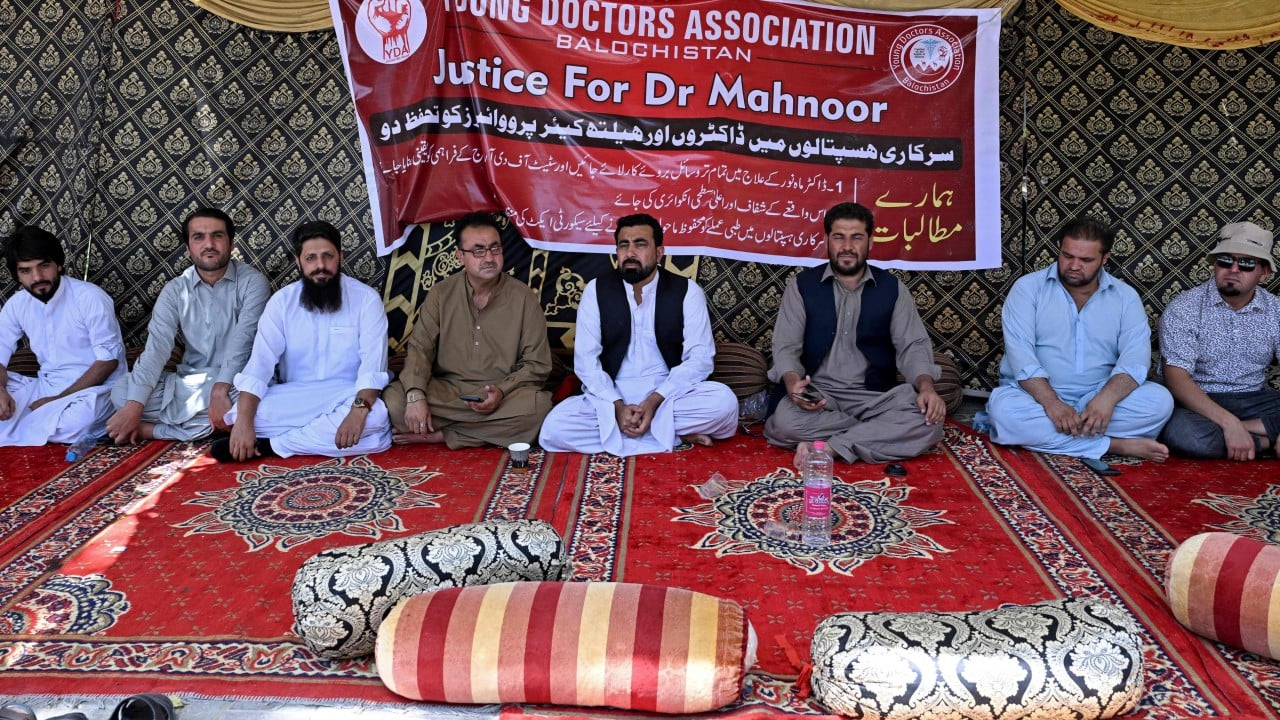
Because it isn’t simply about one doctor or one rogue lift operator. The reaction from Pakistan’s medical sector, with its sudden strikes and a protest demanding safety and justice for the victim, signals a collective cry. They’re fed up, plain and simple. And they should be. This kind of horror—violence against women professionals—is a deeply disturbing constant, not an anomaly, across swathes of South Asia. There’s a subtle, insidious undercurrent of resentment sometimes towards women who assert their independence, especially in challenging, high-profile roles. This incident—an acid attack against a woman doctor has sent shock waves through Pakistan’s medical sector—isn’t an isolated tremor; it’s a stark reminder of seismic shifts needed in societal attitudes and law enforcement.
But the story, as it always does in these parts, has broader implications. This isn’t just about an individual crime; it’s a symptom of a much larger malady. And it often extends far beyond the professional realm, touching every corner of life where women seek equality or even just basic security. We’re talking cultural headwinds, institutional inertia, — and sometimes, plain old impunity.
According to a 2022 report by the Acid Survivors Foundation Pakistan, hundreds of such attacks are reported annually, with many more likely going unregistered. Think about that volume of unreported cases; it’s a terrifying shadow. It underscores a persistent, terrifying reality that no amount of swift ‘justice’ for a single perpetrator can truly alleviate. For every case that garners headlines, there are untold others relegated to whispers, or worse, forgotten entirely. And that, frankly, is a shame on all of us.
It’s about the pervasive culture of gender-based violence that persists. We’re often quick to point fingers, but this requires introspection about systemic failings, from inadequate protection mechanisms to often glacial legal processes that can make victims feel doubly punished. They’re not just recovering from physical scars; they’re wrestling with psychological trauma and often, a justice system that seems designed to exhaust rather than empower them.
What This Means
This incident, culminating in what some might call summary justice, ironically shines a harsh light on Pakistan’s deeply entrenched problems with women’s safety and access to true justice. For starters, while the swift demise of the alleged assailant might offer some perverse satisfaction to a frustrated public, it effectively short-circuits any deeper investigation into motives, potential accomplices, or systemic failures within the hospital’s security apparatus. The justice system, in this instance, opted for brute force over thorough due process—a problematic precedent for any nation striving for rule of law. What does it say when the state’s answer to horrific violence is immediate, extra-judicial punishment, rather than a transparent process? It signals a reliance on spectacle rather than substance, masking deeper issues.
Politically, the spontaneous protests and strikes among medical professionals represent a significant pressure point for regional and national governments. They can’t just brush this off. These are educated, often influential citizens demanding real protection. Failure to address their concerns could lead to further destabilization of an already strained public healthcare system, or, worse, deepen the exodus of female talent from fields where they’re desperately needed. Economically, when a significant portion of the workforce—women—face such hazards, it inherently stifles growth and innovation. Their ability to contribute freely is compromised, a drag on national potential. the fear generated by such attacks impacts social capital, fostering a climate of suspicion and limiting personal freedoms, which is an intangible but no less real economic cost.
The global implications, especially for the broader Muslim world, aren’t lost either. Pakistan, often a bellwether in the region, mirrors challenges faced by women across many conservative societies struggling to reconcile tradition with modern aspirations. The optics aren’t great; they reinforce harmful stereotypes while failing to champion the advancements women have made. It sends a chilling message to young women contemplating professional careers that their dedication might come at an unbearable cost, ultimately impeding societal progress and reinforcing patriarchal structures.