

US Border Asylum: A Bureaucratic Wall, Now Backed by Highest Court’s Silent Nod
POLICY WIRE — Washington, D.C. — They called it a ‘policy’, an ‘expedited process,’ but for thousands yearning for sanctuary, it’s always been a fresh twist on an old...

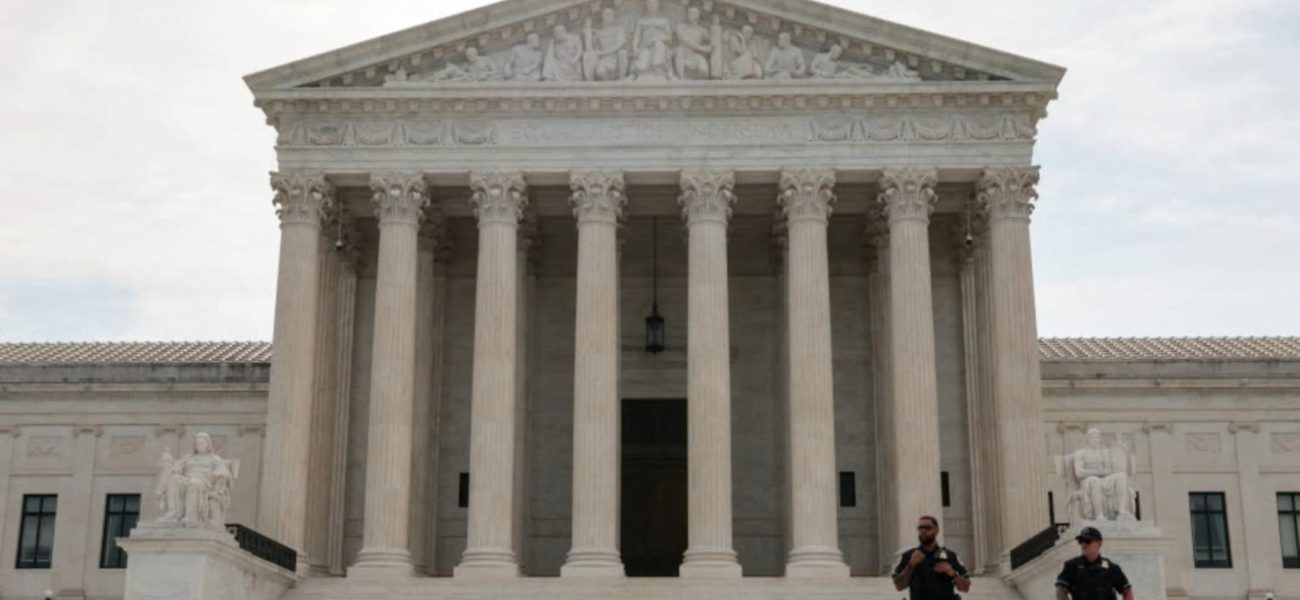
POLICY WIRE — Washington, D.C. — They called it a ‘policy’, an ‘expedited process,’ but for thousands yearning for sanctuary, it’s always been a fresh twist on an old turnstile—designed to keep them out. And now, the nation’s highest judicial body, in a stark, unsigned order, has cleared the way for a divisive Trump-era restriction on asylum claims to grind back into motion. It’s not just a legal tweak; it’s a systemic chokehold, making a harrowing journey exponentially more impossible for the world’s most vulnerable. Forget due process. We’re talking bureaucratic triage, plain — and simple.
This isn’t some nuanced legal argument only lawyers get. It’s about a cold directive that essentially tells anyone seeking refuge at the U.S. southern border, "You can’t come here to ask for help unless you’ve already asked (and been rejected by) every other country you somehow touched along the way." Yeah, because a child fleeing gang violence in Honduras, or a mother escaping religious persecution in Pakistan, is just going to leisurely stop off in Mexico or Guatemala to navigate an unfamiliar asylum system first. It’s a bitter pill, dressed up as a logistical solution. The Supreme Court’s brief filing simply undid a lower court’s block, giving the White House a green light—at least for now—to reimpose its sweeping rule, effectively barring asylum for almost anyone who hasn’t applied and been refused protection in a country they’ve traveled through.
The implications ripple far beyond the immediate border. Consider the vast networks of displacement. Folks from distant lands, say those escaping political unrest in Yemen or persecution as a minority sect in Afghanistan, often undertake desperate, multi-country journeys to reach what they hope is safety. These aren’t people picking a vacation spot; they’re survivors. This policy doesn’t just block Latin Americans; it hits hard for those from Asia and Africa, too, often funneled through the same arduous transit routes. Because, let’s be honest, they’ve got precious little choice.
Government officials, naturally, defend the move. "This administration has been clear that our asylum system is being overwhelmed," stated a senior Department of Homeland Security official, who declined to be named but has consistently voiced hawkish border stances. "This policy is about restoring order — and discouraging dangerous, irregular migration. We can’t be an open door to everyone, everywhere." But order, for whom? For the thousands bottlenecked at borders, living in squalid temporary camps, "order" sounds a lot like prolonged suffering.
Opponents didn’t mince words. Senator Patricia Vance (D-OR), a vocal critic of the administration’s immigration tactics, didn’t hold back. "It’s unconscionable. What this court has permitted isn’t border management; it’s cruelty dressed as policy," she snapped, speaking from her Senate office. "They’re forcing vulnerable people into dangerous legal limbo, prioritizing political posturing over our moral obligations and international law." You can almost hear the exasperation in her voice. But hey, it’s Washington. Moral obligations? Sometimes, they seem less like principles — and more like suggestions.
And let’s talk numbers. Data from the Transactional Records Access Clearinghouse (TRAC) at Syracuse University revealed that even under previous restrictions, the vast majority—nearly 90%—of asylum seekers processed under similar "Remain in Mexico" guidelines since its 2019 inception were denied, often without proper legal counsel. These aren’t just figures; they’re extinguished hopes, one after another.
What This Means
The Supreme Court’s action isn’t a final judgment on the legality of the transit ban itself. Instead, it’s a temporary win for the executive branch—a high-stakes interim decision that gives the Trump administration significant leeway to enforce its controversial stance while litigation slogs on. Politically, it’s a rallying cry for the administration’s base, a testament to its "America First" agenda just as election season heats up. Economically, this policy exacerbates the humanitarian costs on border states and international aid organizations, diverting resources to managing larger populations in limbo rather than integrating proven asylum seekers. For nations like Pakistan, for instance, which hosts one of the world’s largest refugee populations and is already grappling with significant economic pressures, any policy that shifts migration burdens onto transit countries can destabilize delicate regional balances. It’s a cascade effect, with the poorest nations often footing the bill. Expect renewed challenges, more injunctions, — and continued legal ping-pong. But for now, the message from Washington is unmistakably clear, — and profoundly chilling: Stay where you are. And perhaps for good measure, don’t even think about coming here to ask for refuge. Not just yet, anyway. Maybe never.