


Albuquerque’s Nightly Concrete Ballet: A Deeper Look at I-25’s Uneasy Future
POLICY WIRE — Albuquerque, New Mexico — It’s Sunday night. Not a football game night, not a holiday eve. Just another Sunday. But in Albuquerque, for some folks, that familiar week-start anxiety just...

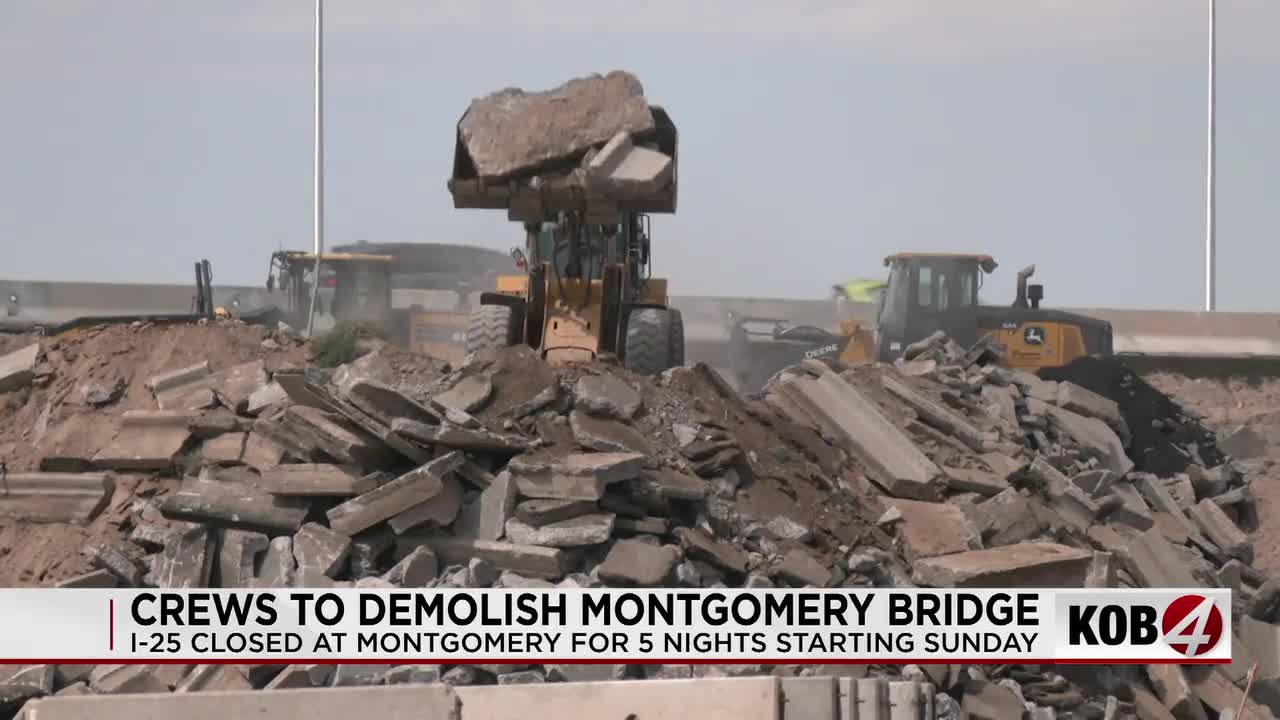
POLICY WIRE — Albuquerque, New Mexico — It’s Sunday night. Not a football game night, not a holiday eve. Just another Sunday. But in Albuquerque, for some folks, that familiar week-start anxiety just ratcheted up a few notches. The old Montgomery Boulevard bridge over I-25, a concrete workhorse for three-quarters of a century, is starting its slow, screeching journey to oblivion. And for the next several days, that means nocturnal mayhem for anyone trying to navigate the city’s primary north-south artery. Forget about that quick drive home. It’s not happening.
The New Mexico Department of Transportation (NMDOT) dropped the bomb, or rather, the blueprint: nightly closures, 8 p.m. to 6 a.m., starting June 28th — and stretching to July 2nd. They’re ripping out a structure that, if it could talk, would probably have tales to tell about Eisenhower-era Fords and ’60s muscle cars. Now? Just dust, steel, — and a whole lotta re-routed misery. Because, let’s face it, even though these upgrades promise a smoother, wider path ahead—eventually—getting there’s going to test everyone’s sanity. Maybe even their marriage, depending on how long they’re stuck in traffic together.
David Sierra, who braves the city’s concrete arteries daily, already knows the drill. He’s already been adding a painful 20 minutes to his trek, thanks to the ongoing I-25 improvement scheme. “I’m in construction myself, so I know how things tend to go, but I am hoping for it to be done within a timely manner, so we can get back to normal,” Sierra griped to us, his voice a tight blend of resignation and faint optimism. “It did add like an extra 20 minutes to my day, just coming off of I-25 north, coming southbound. I had to get off on the back roads by REI, go back around the corner, go through Alexandria.” Twenty minutes. Think about that. Over a working week, that’s nearly two hours of life evaporated, swallowed by cones — and construction.
Kimberly Gallegoes, a NMDOT mouthpiece, offered the standard official line, eyes twinkling at the shiny future this demolition promises. “The demolition will take place beginning Sunday, the 28th, and as you see behind me, the old existing bridge at Montgomery will be taken down,” she articulated, presumably standing in front of the very bridge slated for destruction. She reminisced about the old structure’s ‘little rails’ and how it was ‘very low’ – as if its quaint stature was a charm rather than a bottleneck. She made it sound so lovely, this new ‘shared use path’ concept, replacing sidewalks, making it ‘really nice.’ A sentiment one imagines isn’t shared by a frustrated trucker burning fuel at 2 AM.
But the numbers don’t lie, do they? A recent federal infrastructure report found that average American commuters now spend an additional 42 hours per year stuck in traffic directly attributable to aging infrastructure projects. That’s nearly an extra work week of unproductive time, gone. We’re told it’s progress. And it’s, sure, eventually. But the short-term pain often feels like a civic gut-punch.
This isn’t just about traffic. It’s about trust. It’s about a social contract. Folks implicitly agree to taxes — and some level of disruption if the outcome truly improves things. But what happens when the ‘timely manner’ David Sierra pines for stretches into months, or even years? Look at how infrastructure projects unfold in places like Pakistan, where public skepticism about timelines and budget overruns often runs deep – sometimes for good reason. Just consider how public confidence in major public works projects, like the upkeep of critical infrastructure in South Asia, can be eroded by perceived inefficiencies or—worse—opacity. It’s a universal battle, keeping the public on board when the present is perpetually messy for the sake of a better tomorrow.
Dr. Lena Petrova, a renowned infrastructure policy analyst whose work often delves into the sociopolitical impact of urban development, framed the situation with typical academic detachment: “These nightly closures, while inconvenient, represent a concentrated effort to expedite a long-overdue overhaul. The psychological impact on a population that perceives constant disruption, however, shouldn’t be underestimated in the larger discourse of civic engagement and public works funding approval.” So, yeah, it’s not just about moving steel; it’s about moving minds, too.
What This Means
Economically, these overnight disruptions aren’t trivial. For every commercial driver stuck idling, that’s wasted fuel, lost delivery times, and ultimately, higher operational costs for businesses. Those costs invariably trickle down to the consumer. For Albuquerque’s small businesses reliant on late-night operations or specific delivery windows, it’s an immediate, quantifiable hit. Politically, the NMDOT — and local elected officials walk a fine line. They need these upgrades; no one debates that. But repeated, lengthy delays—or poorly communicated disruptions—can sour public opinion, making it harder to greenlight future, absolutely necessary, infrastructure bonds and projects. But perhaps more subtly, this saga reveals a broader societal truth: our collective patience is thinning. We crave efficiency, instant gratification. The slow, messy grind of infrastructure development often clashes harshly with that modern expectation. It’s a challenge to governance in every corner of the globe, from the developed West to rapidly modernizing economies in the Muslim world, where populations often share a similar yearning for functional, modern infrastructure, but are equally weary of the process. How gracefully a city navigates this balance between progress and pain often defines not just its roads, but its future.