

Albuquerque’s Montgomery Bridge Demolition: A Harbinger of Urban Progress, or Just More Traffic?
POLICY WIRE — Albuquerque, N.M. — It’s a familiar ritual of modern life: the gnashing of gears, the perpetual crawl of rush-hour, the exasperated sigh as brake lights bloom ahead. For residents of...

POLICY WIRE — Albuquerque, N.M. — It’s a familiar ritual of modern life: the gnashing of gears, the perpetual crawl of rush-hour, the exasperated sigh as brake lights bloom ahead. For residents of Albuquerque, that daily grind’s about to get a whole lot grittier, if only for a short spell. And what’s fueling this fresh wave of automotive misery? A humble concrete bridge, decades past its prime, facing the wrecking ball. The truth is, infrastructure isn’t glamorous, not until it fails—then suddenly, everyone’s a civil engineer, complaining about the commute.
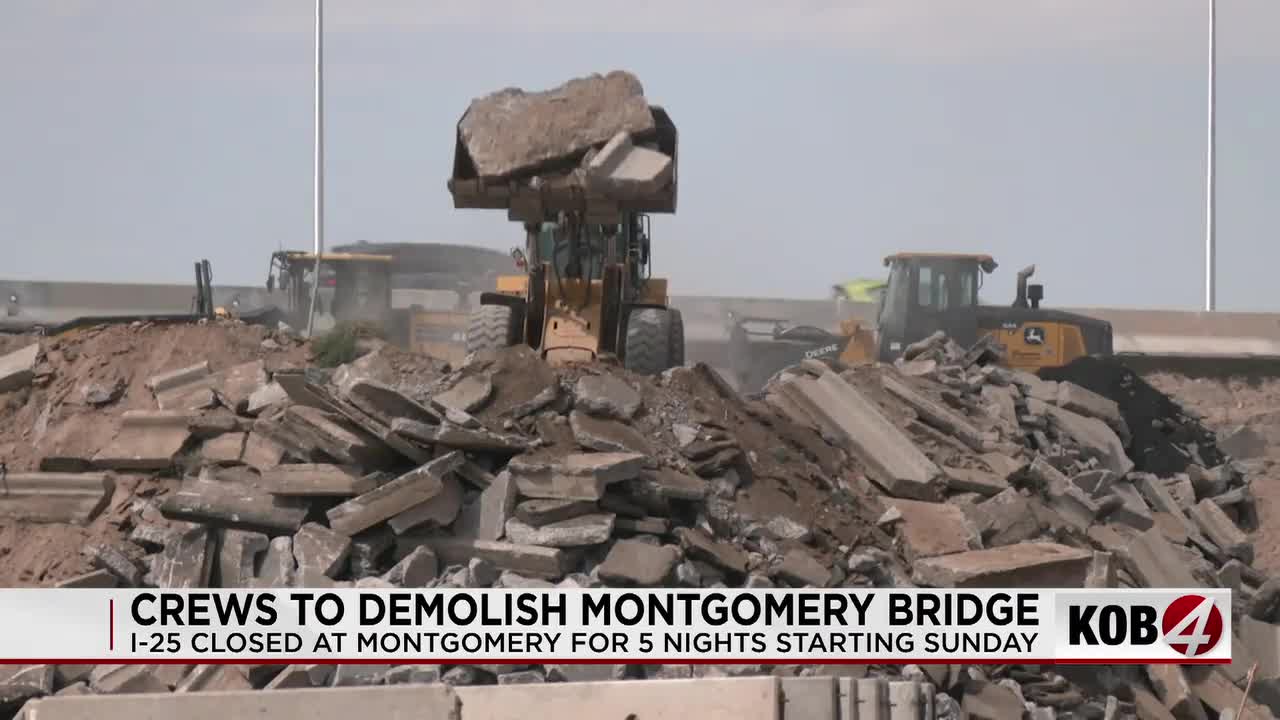
Starting this week, folks in the Land of Enchantment will contend with significant nightly disruptions. It’s an inconvenient fact of urban development. Specifically, we’re talking about I-25 — both directions — closing down from the dusky hour of 8 p.m. till the first hint of 6 a.m. the following day. These aren’t just temporary detours; they’re an elaborate dance around construction. Drivers, bless their patient hearts (or lack thereof), will be shunted onto the Pan American frontage roads, trying to navigate around what was once a key artery: the Montgomery Boulevard bridge. But that structure, nearing its three-quarter-century mark, it’s gotta go, they say, to make way for something… better. [QUOTE_PLACEHOLDER]
But betterment always comes at a price, doesn’t it? Beyond the obvious monetary investment — hundreds of millions of dollars into infrastructure projects across the U.S. every year, per the American Road & Transportation Builders Association’s economic reports — there’s the cost of patience, the precious minutes chipped away from commuters’ lives. David Sierra, a local, knows this all too well. His day already gained an unexpected addition: I’m in construction myself, so I know how things tend to go, but I am hoping for it to be done within a timely manner, so we can get back to normal. He went on to explain his new routine, adding, It did add like an extra 20 minutes to my day, just coming off of I-25 north, coming southbound. I had to get off on the back roads by REI, go back around the corner, go through Alexandria. Now, those back roads, according to New Mexico Department of Transportation spokesperson Kimberly Gallegoes, they might just be packed more than usual.
It’s a story that plays out on boulevards — and motorways not just in the American Southwest, but globally. From the sprawling megacities of India to the dusty, crowded arteries of Lahore, the struggle between maintaining antiquated systems and embracing modernization is a constant. Infrastructure isn’t a static entity; it’s a living, aging organism. The Montgomery bridge was, frankly, a relic. Gallegoes described it quite succinctly: It was very low. I don’t know if you remember, it had like little rails on it — and stuff. Progress, then, isn’t merely building new things; it’s often about dismantling the old and imperfect, about replacing what was, sometimes grudgingly, deemed acceptable for its era.
And so, as the demolition crews gear up to chip away at what’s left of that 75-year life span — another Gallegoes observation — it symbolizes something far grander than just a road project in New Mexico. It mirrors the sometimes-clumsy, sometimes-necessary march toward improving daily existence everywhere. Think about the infrastructure woes plaguing a country like Pakistan, where an aging, overtaxed road network and inconsistent urban planning contribute to an economic drag. Just as Albuquerque aims for a smoother, safer transit with its shared use path, the aspirations for similar modernization echo across continents. These aren’t just local headaches; they’re universal pains, a consequence of an ever-evolving world where today’s marvel is tomorrow’s bottleneck. Sometimes, improving tomorrow means temporarily disrupting today.
The hope, of course, is that the temporary disruption will yield lasting benefits. Because ultimately, who doesn’t want nicer, safer ways to get around? That new path — and revamped connectivity, Gallegoes believes, it’ll be really nice. The whole project has that just to get across Montgomery, — and to be able to do that safely. And you can’t argue with safety, can you?
What This Means
The saga of the Montgomery bridge isn’t just about traffic snarls in Albuquerque; it’s a micro-drama reflecting macro-economic and societal pressures. Politically, the impetus to rebuild and modernize infrastructure stems from a cocktail of public demand, safety imperatives, and economic competitiveness. Voters get frustrated with crumbling roads, — and businesses rely on efficient transport for goods and services. A lack of investment in places like America, but also countries like India — where discussions around the aging An-32s aircraft fleet point to broader infrastructural decay across sectors — can stunt growth and productivity for decades. Economically, these projects create jobs, inject capital, and ideally, reduce long-term costs associated with maintenance and accidents. However, the short-term pain of closures and detours highlights the challenge: how do you convince a population to endure immediate discomfort for a future, often intangible, benefit? For local politicians, navigating this means balancing the promise of progress with the practical realities of a population that just wants to get to work on time. It’s a delicate dance, often punctuated by horn blasts — and muttered curses.