

India’s Aging An-32s: A Fatal Crash and Whispers of Geopolitical Fragility
POLICY WIRE — Jorhat, India — This past Saturday, it wasn’t the roar of new fighter jets or the fanfare of a defense exposition that caught the nation’s eye. Instead, it was...

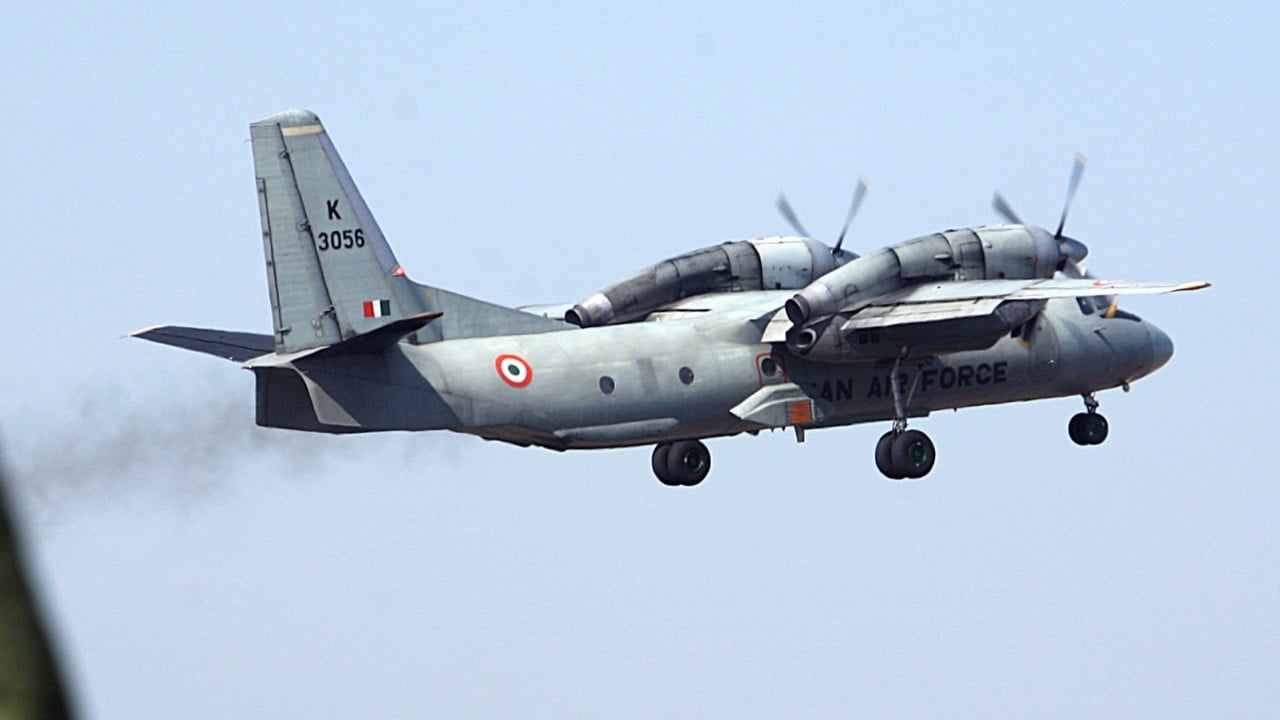
POLICY WIRE — Jorhat, India — This past Saturday, it wasn’t the roar of new fighter jets or the fanfare of a defense exposition that caught the nation’s eye. Instead, it was the abrupt silence, the splintered remains of an aging An-32 military transport—a workhorse, really—that crashed while landing at a base in the country’s remote northeast. It took with it five souls, each a part of India’s increasingly complex defense posture.
Jorhat, a city in Assam state, doesn’t typically grab international headlines. But on this grim weekend, it became a quiet monument to a pervasive, unaddressed issue plaguing the Indian military: the grinding wear and tear on an air force stretched thin, operating equipment that often dates back to an era of very different geopolitical calculus. The aircraft, an Antonov An-32, was performing what should have been a routine maneuver.
And then, it wasn’t.
The news was sparse, clipped. The Indian Air Force deeply regrets the loss of five personnel in the An-32 accident at Jorhat, the air force statement read, the bureaucratic language doing little to soften the blow for the families of the deceased. No grand pronouncements, no immediate calls for parliamentary inquests—just the cold, hard reality of five lives extinguished. It didn’t say how many people were on board at the time, or whether there were any survivors. Because, honestly, in the aftermath of such an event, sometimes clarity takes a backseat to damage control, or perhaps, simply, the shock of it all.
This particular model, the An-32, is a relic, designed — and built in the Soviet Union. India’s fleet has undergone upgrades, sure, but a refresh button only goes so far for airframes that have seen decades of service. Since 2010, the Indian Air Force has recorded 12 major accidents involving its aging An-32 fleet, according to parliamentary defense committee reports, an unforgiving statistic for any military, let alone one eyeing regional supremacy.
But the true story isn’t just about aging metal. It’s about the ripple effect. An air force official, speaking on condition of anonymity as… [QUOTE_PLACEHOLDER], underscored the broader challenges of maintaining operational readiness when your supply chains are bottlenecked, budgets are tight, and geopolitical pressures — from the Himalayas to the Arabian Sea — only mount.
This isn’t an isolated incident. The IAF has, for years, grappled with a significant number of accidents, a trend many observers attribute to a cocktail of factors: the advanced age of aircraft, sometimes questionable maintenance practices (particularly for older, harder-to-source parts), and the intense operational tempo across diverse and challenging terrains. From the high-altitude forward posts near the Chinese border to the rugged Northeast, these planes are constantly ferrying troops, supplies, and equipment. They’re the workhorses, — and sometimes, even workhorses break down.
Contrast this with India’s neighbors. Pakistan’s air force, while also contending with its own legacy equipment and modernization drives, carefully monitors its own accident rates, knowing full well the psychological and strategic impact every loss carries. There’s an undeclared race for air superiority, or at least parity, that often gets measured not just by new acquisitions but by reliability, by the perceived competence in keeping what you’ve got airborne and effective.
It’s not just about one crash, then. It’s a reflection. It’s a moment for pause, a silent inquiry into the cost of doing business as a regional power with global aspirations, all while managing an enormous, yet sometimes antiquated, defense apparatus.
What This Means
This tragic crash — and make no mistake, every single one of them is a tragedy — acts as more than just a somber news item. It peels back a layer on India’s defense strategy, exposing vulnerabilities that savvy adversaries or skeptical allies aren’t likely to miss. For New Delhi, the political implications are layered, sharp. The opposition will no doubt pounce, demanding answers about procurement, about the sluggish pace of replacing Soviet-era equipment with modern, indigenous, or Western alternatives.
But there’s more to it. There’s the undeniable impact on troop morale. Losing comrades to equipment failure, rather than direct enemy engagement, can erode trust in leadership and the very tools they’re given to protect the nation. And that, frankly, can become a much deeper, harder-to-heal wound than any battlefield casualty. Because, if you can’t trust the wings under you, what can you trust?
Economically, these crashes often force a spotlight back onto the defense budget. Will this incident trigger accelerated acquisitions of new transport aircraft, potentially shifting funds from other modernization projects? India’s defense spending is already substantial, but the constant dance between maintaining existing fleets and procuring cutting-edge technology is an eternal budgetary headache. it casts a shadow over India’s self-reliance narrative in defense manufacturing, suggesting a persistent reliance on foreign components or entire systems that sometimes come with their own age-related complications.
And then there’s the geopolitical signaling. A strong, reliable air force projects power, asserts regional dominance, — and acts as a deterrent. Repeated incidents involving older aircraft, particularly utility transport planes, whisper a different story: one of potential frailty, of an infrastructure that can be pushed to its breaking point. For Pakistan, and perhaps for China, it’s not exactly reassuring — which in this precarious neighborhood is hardly a comforting thought.