

Albuquerque Zaps Despair: Neurological Tech Ignites Debate on Mental Health Equity
POLICY WIRE — Albuquerque, United States — It’s a silent, almost imperceptible revolution taking shape within the quiet walls of Albuquerque’s Kaseman Adult Behavioral Health Clinic. There, amidst...

POLICY WIRE — Albuquerque, United States — It’s a silent, almost imperceptible revolution taking shape within the quiet walls of Albuquerque’s Kaseman Adult Behavioral Health Clinic. There, amidst the persistent murmur of bureaucracy and the hushed anxieties of patients, something altogether unexpected has arrived: a machine that sends precise electromagnetic pulses into the human brain. This isn’t a scene from a science fiction B-movie; it’s a very real, very tangible shift in the battle against stubbornly resistant mental health conditions. And it’s raising some interesting questions about who benefits from medical progress, and just how fast the world can — or should — catch up.
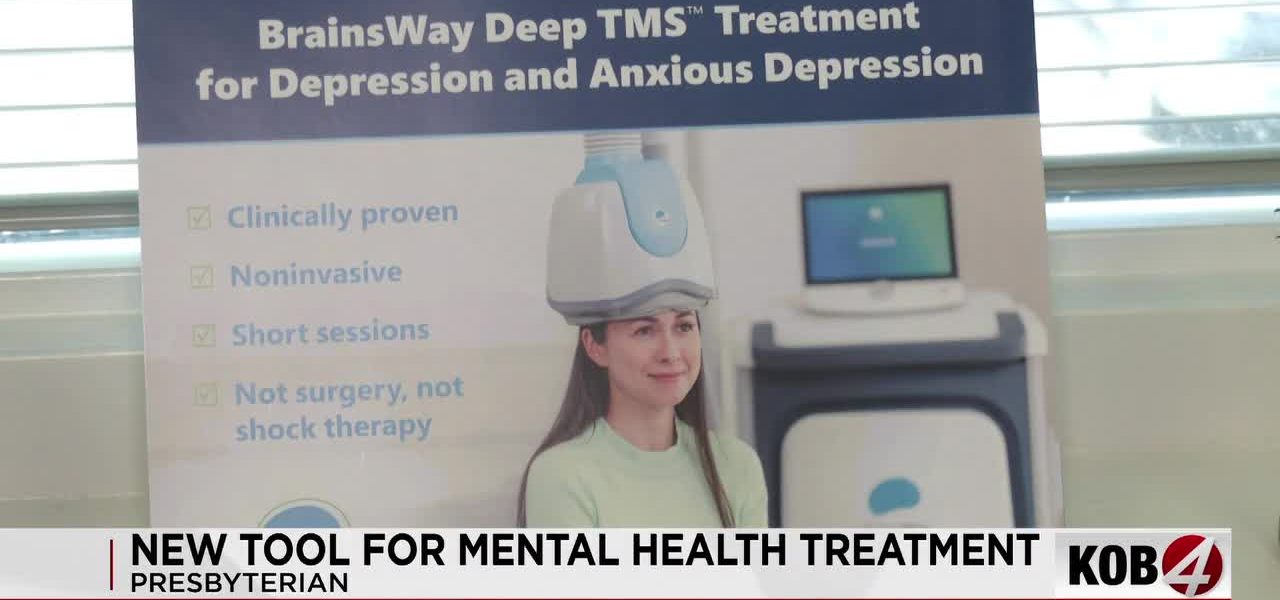
For decades, many have trudged through the labyrinthine journey of mental health care, often feeling like a clinical trial on themselves. Medications, therapy, lifestyle changes—it’s a long, tough slog for millions. So, when doctors at Presbyterian Healthcare introduced a novel, non-invasive brain-stimulation device a mere three months ago, it wasn’t just an incremental step; it was a jolt, literally. Dr. David Vivas, an Adult Psychiatrist at the facility, reports early success stories. You see, the machine isn’t some blunt instrument. “It is a machine that delivers electromagnetic pulses to stimulate a very specific area of the brain that we know it plays a big role in some mental health conditions,” Vivas explained.
The tech primarily zeroes in on two notoriously intractable foes: severe depression and obsessive-compulsive disorder (OCD). Imagine a patient, worn thin by years of unsuccessful pharmacological roulette, finally seeing a crack of light. It’s a prospect that can’t be understated, especially considering how widespread — and debilitating these conditions are. And it doesn’t take all day. Each treatment session lasts about 20 minutes. But who footed the bill for this cutting-edge apparatus? A local family, opting for philanthropy over quiet anonymity, donated the funds to the Presbyterian Healthcare Foundation. It’s a nice story, really. A family seeing a need, stepping up, — and potentially changing lives.
Vivas highlighted the immediate advantage this brings to their treatment arsenal. [QUOTE_PLACEHOLDER] This isn’t just an option for everybody, mind you. Presbyterian emphasizes it’s for folks with treatment-resistant mental illnesses. Think about it: people who’ve already run the gauntlet of a couple of different medications with no real reprieve. They’re the prime candidates.
But the numbers really tell a tale, don’t they? Dr. Vivas lays it out: [QUOTE_PLACEHOLDER] That particular statistic—a potential doubling of remission rates—comes directly from observations made by clinicians like Dr. David Vivas, drawing from early studies and patient responses to transcranial magnetic stimulation, or TMS, as it’s more formally known.
📄 POLICY WIRE WHITEPAPER PUBLISHED: PAKISTAN'S NATIONAL SECURITY POLICY PRIORITIES
👉 READ BY CLICKING HEREThis isn’t a magic wand. Not yet, anyway. Research into TMS is still in progress, Vivas noted, but the signs are positive. We’re talking about more than just depression, too. Depression, in its insidious complexity, often brings anxiety, obsessive thoughts, or a full-blown OCD diagnosis along for the ride. This machine reportedly tackles those linked conditions. So, if you’re a patient — and you’re interested, don’t just show up. You’ll need to ask your primary care physician for a referral to the behavioral health clinic. It’s how the system works, even for futuristic treatments.
What This Means
This local advancement in New Mexico quietly, — and without much fanfare, opens a wider policy aperture. On the surface, it’s a feel-good story: innovation helps suffering patients. But dig a bit deeper, — and you find the familiar friction points of modern healthcare. Who gains access? Is this simply a luxury for the insured, or a public health mandate? If this technology truly offers double the remission rate, the economic implications are substantial. Untreated mental illness doesn’t just devastate lives; it siphons billions from economies in lost productivity, strained social services, and direct healthcare costs. Investments in effective treatment, expensive as they may seem upfront, could be profoundly cost-effective over the long run.
And that’s where countries like Pakistan, — and indeed much of the South Asian and wider Muslim world, enter the frame. Mental health remains woefully under-addressed in many of these regions, often burdened by immense social stigma, lack of infrastructure, and limited resources. While Western nations grapple with access and funding for such advanced tech, many developing countries are still struggling to provide basic psychological support or even adequate medication. Imagine the societal shift if a similar philanthropic effort, or perhaps strategic governmental investment mirroring patterns seen in discussions around AI adoption in countries like India, could introduce such therapies on a broader scale there. It isn’t just about the technology itself; it’s about the equitable distribution of hope. The disparities in mental healthcare, already vast, threaten to widen further as cutting-edge treatments like TMS become available to a select few in developed nations. It’s a policy conundrum that transcends borders, begging the question: isn’t a healthy mind a fundamental human right, regardless of geography or economic standing?