

Silent Agony, Magnetic Hope: New Brain Tech Battles Treatment-Resistant Depression
POLICY WIRE — Albuquerque, N.M. — It’s a battle waged in quiet rooms, behind locked doors, and in the minds of millions who just can’t seem to shake it. Not the grand political chess matches we cover...

POLICY WIRE — Albuquerque, N.M. — It’s a battle waged in quiet rooms, behind locked doors, and in the minds of millions who just can’t seem to shake it. Not the grand political chess matches we cover daily, but something far more intimate, far more crippling: treatment-resistant depression and the relentless grip of obsessive-compulsive disorder. For years, medicine has offered a revolving door of pharmaceuticals and therapies, often leaving desperate patients right where they started. And that’s the real story, isn’t it? The sheer, frustrating inadequacy of our existing arsenal against these profound illnesses.
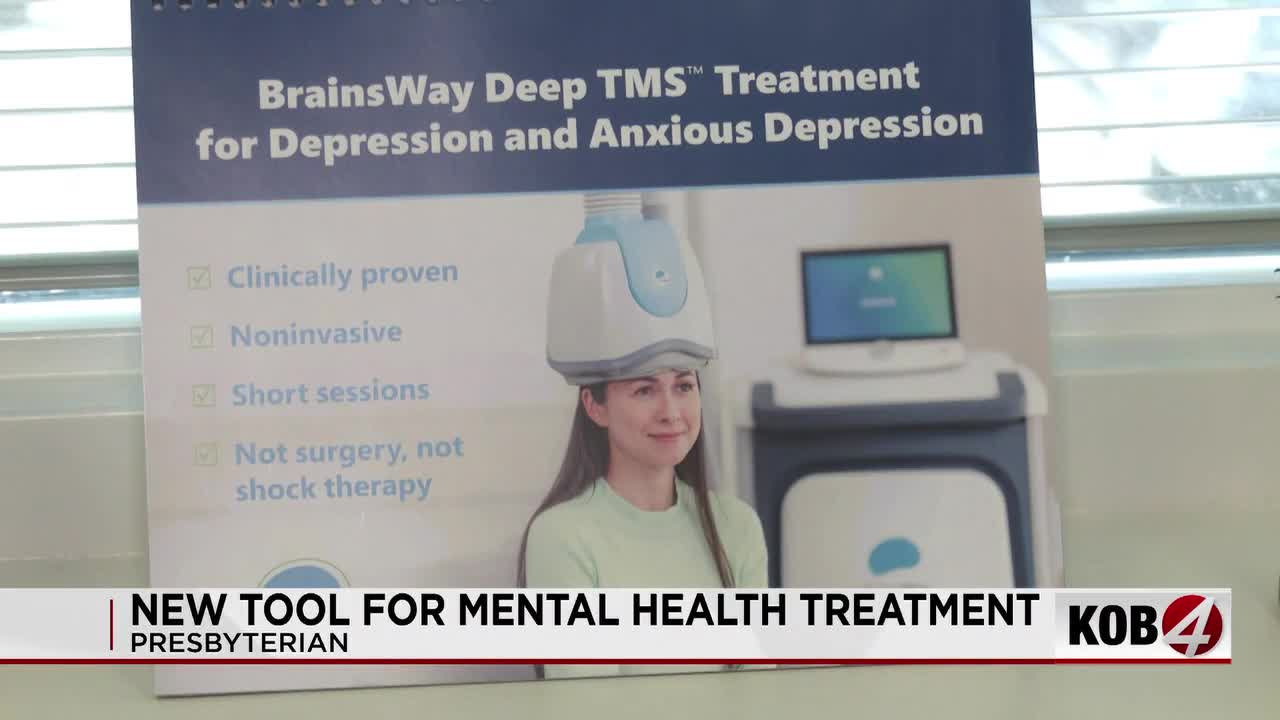
But quietly, in a corner of New Mexico, a new skirmish has begun. Presbyterian’s Kaseman Adult Behavioral Health Clinic isn’t exactly groundbreaking territory, yet it’s now home to a noninvasive brain-stimulation machine that doctors — quite literally — are betting the house on. It’s a targeted strike, not a blanket bombing. They’ve been using it for about three months now, a seemingly small pilot that speaks volumes about the slow, agonizing crawl of progress in mental health care.
Dr. David Vivas, a psychiatrist heading the charge there, didn’t mince words about the underlying mechanism. “It’s a device that zaps specific neural circuits. We’re talking about electromagnetic pulses, carefully calibrated, targeting those stubborn spots in the brain we know play a nasty role in conditions like deep depression and OCD.” Each session? Twenty minutes. It’s hardly a magic wand, he admits, but it offers something truly different. Because, frankly, a lot of folks have exhausted their other options. They’ve done the meds, they’ve done the therapy, — and they’re still just stuck. That’s a devastating place to be.
The acquisition of such a specialized piece of equipment often involves public funds or lengthy institutional grant processes. Not this time. This particular bit of cutting-edge tech? A local family coughed up the cash for it, channeling their generosity through the Presbyterian Healthcare Foundation. A quiet act of philanthropy, really, in an era where billionaire giving often makes global headlines. But sometimes, it’s these local efforts that truly shift the ground for those suffering right next door.
For patients who’ve cycled through countless prescriptions, facing a mere 25-30% chance of lasting remission with medication alone, this machine — technically Transcranial Magnetic Stimulation (TMS) — could mean a sea change. Dr. Vivas, ever the pragmatist, points to the numbers. “We’re seeing, in trials and early data, remission rates at least doubling, often hitting north of 52% when TMS is added to their regimen. You can’t ignore those kinds of results, especially for people who’d otherwise just keep struggling.” That statistic, often cited in clinical studies on TMS effectiveness, feels like a genuine lifeline.
But the real game changer, Eleonor Vance, Presbyterian Healthcare System CEO, tells me via email, isn’t just the tech itself. “It’s about validation. So many individuals with these conditions, particularly in regions where mental illness is still heavily stigmatized, face a triple burden: the illness itself, the lack of effective treatment, and the social isolation. Giving them another chance—a real, scientifically supported chance—is more than just clinical care; it’s about restoring human dignity and economic productivity.” And she’s right. Just consider the sheer economic drain — and human misery that untreated mental illness inflicts globally. Think of Pakistan, where cultural perceptions and limited access to specialists mean that a large portion of its population silently contends with mental health conditions, often without anything resembling advanced treatment options. This kind of tech, even if years away from widespread accessibility in places like Karachi or Lahore, offers a vision for what could be.
Research on TMS is still humming along, of course. Doctors are constantly learning. Patients dealing with severe depression, Dr. Vivas observes, don’t just have low moods; they’re frequently grappling with anxiety, sometimes those maddening, obsessive thought patterns that verge on full-blown OCD. It’s a messy knot, — and this machine offers a new way to pick it apart. For now, folks here need a referral from their primary care doc to get in the door. A small hurdle, perhaps, for such significant potential relief.
What This Means
This rollout isn’t just about a new machine; it’s a stark reminder of gaping policy failures in mental health provision, particularly for those with chronic, resistant conditions. While Albuquerque celebrates philanthropic innovation, the broader economic implication is clear: advanced mental health treatments, often born from private investment, remain largely inaccessible to swathes of the population who can’t afford out-of-pocket costs or live in areas without such specialized facilities. It underscores a fragmented healthcare system where postcode lotteries decide access to genuine relief. The mention of philanthropy highlights both the critical role non-governmental funding plays and, paradoxically, the systemic neglect that necessitates it. From a policy perspective, widespread adoption of such technologies would demand significant investment in infrastructure, training, and, critically, a re-evaluation of how mental health services are integrated into primary care, especially in low-income settings or nations like those in South Asia, where the burden of mental illness is often met with meager resources and deep-seated stigma. It forces a conversation: can we scale this kind of targeted care, or will it remain a niche, albeit powerful, intervention for the privileged few? It’s a question policymakers, from Capitol Hill to Islamabad, must grapple with.