

New Mexico Braces for Deluge: Monsoons Expose Fragile Infrastructure, Climate Alarm Bells Ring
POLICY WIRE — Albuquerque, N.M. — It’s not the thunderous clouds or the sudden downpours that really have policymakers scrambling in New Mexico; it’s the quiet, often overlooked, vulnerability of the...

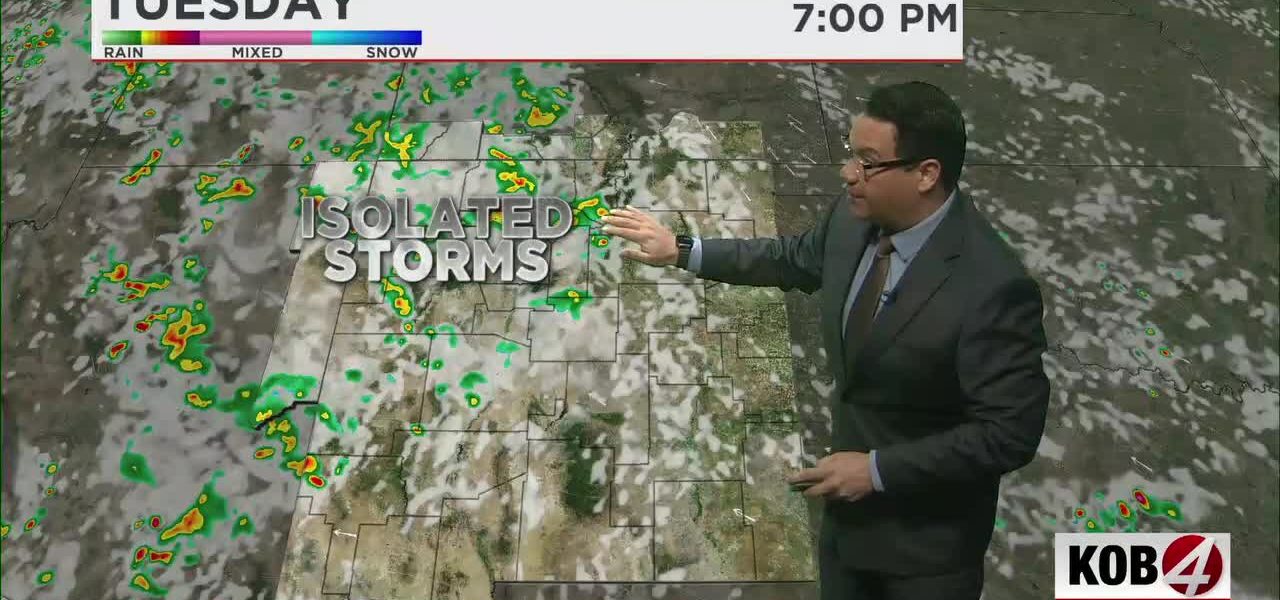
POLICY WIRE — Albuquerque, N.M. — It’s not the thunderous clouds or the sudden downpours that really have policymakers scrambling in New Mexico; it’s the quiet, often overlooked, vulnerability of the ground beneath them. A significantly more active monsoon pattern is slated to engulf the state, promising a deluge that—while sorely needed in a perpetually arid land—threatens to expose some uncomfortable truths about preparedness, infrastructure, and a climate that frankly, doesn’t wait for annual budgets. This isn’t just about getting wet; it’s about whether our collective planning can keep pace with an increasingly volatile natural world.
Forecasters aren’t mincing words: widespread showers and thunderstorms will become a daily affair, especially targeting regions still reeling from fire seasons past. Burn scars, those blackened memorials to previous droughts and uncontrolled blazes, will turn into dangerous conduits for flash floods. Take Wednesday, for instance; the highest risk for flash floods points directly at areas west of the Ruidoso burn scars. That’s not a random pick; it’s where the soil, stripped bare, can’t absorb a damn thing. It’s an environmental triple-whammy: drought, fire, then flood. And who pays when the rivers decide to run where houses used to stand?
Governor Michelle Lujan Grisham didn’t sugarcoat it in a recent press conference, underscoring the relentless push for resilience. “We’re not just watching the skies; we’re ensuring every last sandbag is filled, and every emergency responder is ready. This isn’t just rain; it’s a test of our state’s resolve against a changing climate,” she declared, her tone conveying the palpable tension in Santa Fe. But preparation, as anyone who’s weathered a monsoon knows, often feels like painting over cracks when you really need a new foundation. Because these aren’t your grandpa’s monsoons, you know?
Local leaders, naturally, bear the brunt of public ire and—more acutely—the strain on shoestring municipal budgets. Mayor Tim Keller of Albuquerque offered a refreshingly blunt assessment from the frontline. “Look, we appreciate the rain, God knows we need it, but when it comes down like this, our drains just can’t keep up. It’s a perennial struggle, and frankly, we’re tired of patching up the same old culverts while federal funding moves at the speed of molasses,” he griped, reflecting a sentiment shared by mayors across the region. It’s a systemic issue, this dance between urgent local needs — and glacial national mechanisms. Our old systems simply weren’t built for this kind of sustained hammering.
And it’s not a uniquely American phenomenon, this wrestling match with a climate gone wild. In fact, these localized New Mexico downpours, intense as they’re, offer a grim echo of the much grander, often catastrophic, monsoon shifts observed in regions like Pakistan. The subcontinent, already accustomed to seasonal downpours, has seen devastating floods in recent years—fueled by an increase in rainfall intensity attributed to global warming—displacing millions and destroying crops across its agricultural heartlands. It’s a cycle of climate-induced havoc that plays out on a different scale, perhaps, but with a horrifyingly familiar script. The global impact of climate change doesn’t neatly compartmentalize; its effects ripple, connecting distant landscapes through shared atmospheric anxiety.
📄 POLICY WIRE WHITEPAPER PUBLISHED: PAKISTAN'S NATIONAL SECURITY POLICY PRIORITIES
👉 READ BY CLICKING HEREAccording to the National Oceanic and Atmospheric Administration (NOAA), extreme precipitation events in the Southwestern U.S. have increased by approximately 20% since the early 20th century, a sobering statistic that points to a definite pattern, not merely an anomalous summer. We’re not just getting more rain; we’re getting it faster, harder, and in bursts that infrastructure was never engineered to handle. This isn’t a problem that disappears with the next sunny day.
What This Means
The looming monsoon, far from being just a weather report, represents a sharp political and economic dilemma for New Mexico. Economically, beyond the immediate property damage and agricultural losses, there’s the longer-term cost of repair, the disruption to tourism, and the psychological toll on communities repeatedly hammered by extreme events. Investment in resilient infrastructure—storm drains, flood barriers, revised building codes—becomes a fiscal imperative, not a discretionary expense. But that requires foresight — and political will often drowned out by more immediate demands. Policymakers, from local councils to state legislatures, face mounting pressure to prioritize these structural adaptations, especially as federal aid programs — often reactive — struggle to keep pace with proactive requirements.
Politically, the monsoon acts as a potent symbol of climate change’s creeping reality. For elected officials, it translates into a delicate balancing act: addressing constituent anxieties about immediate safety and property, while navigating the politically charged waters of climate policy. Ignoring the trend is no longer an option, but meaningful action requires courage to invest in solutions that might not yield instant electoral gratification. The questions are stark: can New Mexico adapt its policies — and infrastructure quickly enough? Or will it continue to manage crisis after crisis, perpetually a step behind the capricious skies? The monsoon season isn’t just a weather phenomenon anymore; it’s an annual reckoning.