

Neon Dreams, Hard Realities: Albuquerque’s Route 66 Revival Stirs More Than Dust
POLICY WIRE — Albuquerque, New Mexico — This dusty stretch of asphalt, cut through the high desert, whispers stories. Stories of hope — and desperation, migration and opportunity, America’s...

POLICY WIRE — Albuquerque, New Mexico — This dusty stretch of asphalt, cut through the high desert, whispers stories. Stories of hope — and desperation, migration and opportunity, America’s endless pursuit of its own shifting identity. So when the news broke last week about new neon flickering to life on old Route 66 in Albuquerque, it wasn’t just another municipal update. It was a faint, almost wistful murmur, an attempt to conjure a spirit in an age that often feels spirits-less.
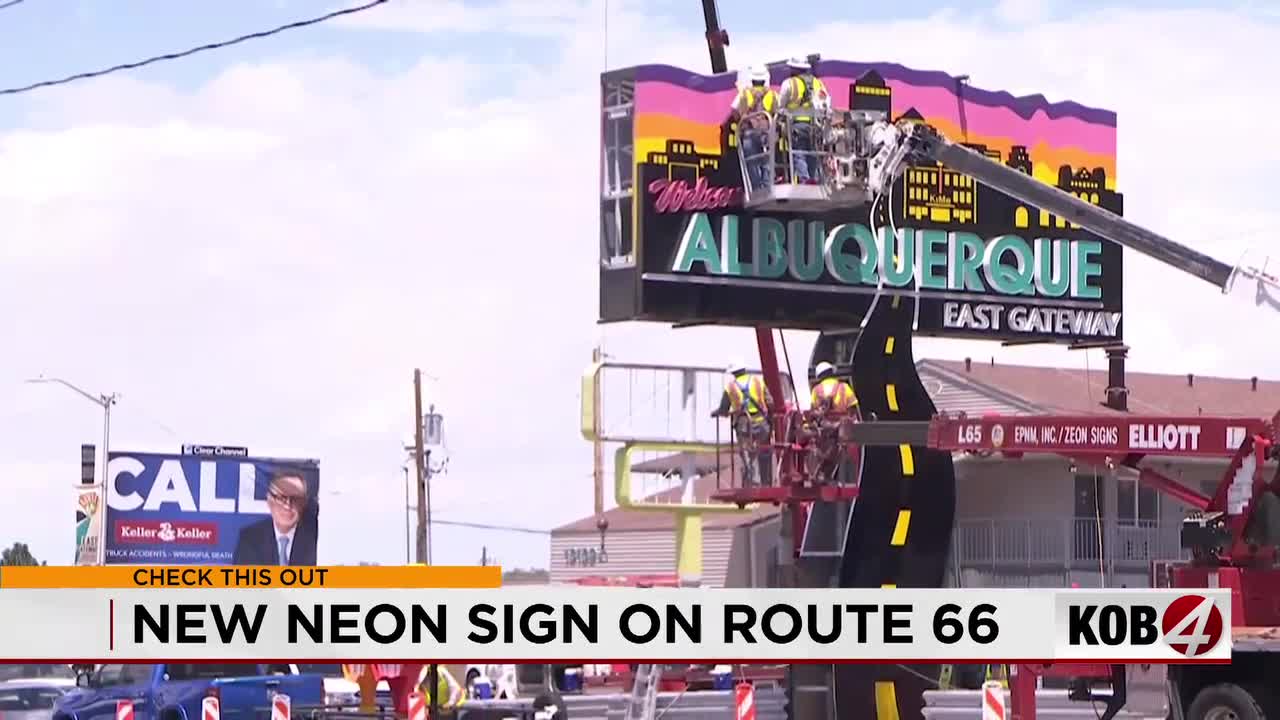
Crews from the city—men and women in high-vis vests, no doubt—weren’t just bolting up aluminum and wiring LEDs. They were, in their own mundane way, engaging in a small act of cultural resuscitation. A freshly minted ‘welcome’ sign now sits on Central, just west of Tramway. A piece of an idealized American past, gleaming new, beckoning travelers who’ve likely never known the Mother Road’s original glory days. It’s a curiosity, isn’t it?
But what does a glowing sign truly say about the state of things? Albuquerque Mayor Tim Keller doesn’t mince words about its intent, albeit in carefully curated public statements. "We’re not just illuminating a sign; we’re reigniting a feeling," Keller reportedly declared, the kind of robust pronouncement you’d expect from an elected official standing next to a fresh municipal initiative. "It’s about safeguarding a segment of Americana for the generations who’ve only heard the legends, and yeah, enticing visitors to come see our vibrant city firsthand." His administration, like countless others across the globe, is perpetually in the business of selling narratives—ones that often involve nostalgia and the open wallet.
The New Mexico Tourism Department, the official purse-holder for this neon flicker, clearly sees it as more than just pretty lights. Its representative, Sheila Chavez, framed the expenditure with hard-nosed fiscal logic. "Every single dollar we channel into projects like this, it boomerangs, two or three times over," Chavez stated, her voice projecting confidence (and likely, a certain weariness from justifying budget lines). "It isn’t brain surgery, folks. People crave a connection to history, — and for this part of the world, neon absolutely screams history. We’re banking on a demonstrable increase—say, a 5% bump in roadside tourism over the next two years—thanks to these kinds of focused preservation efforts."
It’s easy to dismiss this as mere local boosterism, a harmless little quirk. But this persistent longing for the tangible, the visual markers of a storied past, echoes across vastly different landscapes. Think about it. While policymakers in Washington wrestle with the thorny complexities of AI and global power shifts, Albuquerque invests in what’s effectively a giant, glowing postcard. There’s an irony there. In a world increasingly preoccupied with bytes and blockchains, sometimes the most visceral human responses are still triggered by a splash of colored light against a darkening sky.
This pursuit of tangible identity, often through symbols, isn’t unique to American nostalgia. Across the Muslim world, from the sprawling, historic bazaars of Lahore to the ancient kasbahs of Morocco, preservation efforts constantly grapple with the same tension: how do you honor a fading legacy without turning it into a theme park? How do you reconcile the ghosts of centuries past with the inexorable march of modernity, economic pressures, and political expediency? Sometimes, like in the old city of Karachi, preserving a particular architectural facade can take decades, involving bitter political wrangling, meager funding, and—ultimately—a symbolic victory far more resonant than its immediate economic impact.
What This Means
This fresh Route 66 neon sign isn’t going to redefine global politics or trigger an economic renaissance. Let’s be serious. But it is a subtle political artifact. It’s local government signaling competence, reinvestment, and an understanding of its constituency’s softer, often unspoken desires for comfort and familiarity in a discomfiting world. Economically, Chavez’s prediction of a "5% bump" isn’t insignificant for local businesses along the corridor, even if it feels like crumbs when weighed against state budgets. It shows a faith—perhaps misguided, perhaps shrewd—in the power of branding and historical narrative to drive even minor economic uplift. It’s a small investment in civic pride, an attempt to solidify a narrative that ‘we remember where we came from, and you should too.’ And because people often vote on feelings as much as facts, a city that tends to its visible heritage is often seen as a city that cares.
Ultimately, this little splash of light on Central Avenue acts as a stark, glowing counterpoint to the weightier anxieties of our age. It’s a low-stakes gamble, a tangible, flickering testament to a desire for something simple, something fixed, in a landscape that’s constantly, frighteningly, changing.