

Soccer’s Invisible Hand: European Transfer Market Reflects Global Capital Flows, Labor Mobility
POLICY WIRE — Rotterdam, Netherlands — Charles Vanhoutte, a name that barely registers beyond the hardcore football enthusiast, is on the move again. At 27, he’s neither a prodigious youth nor...

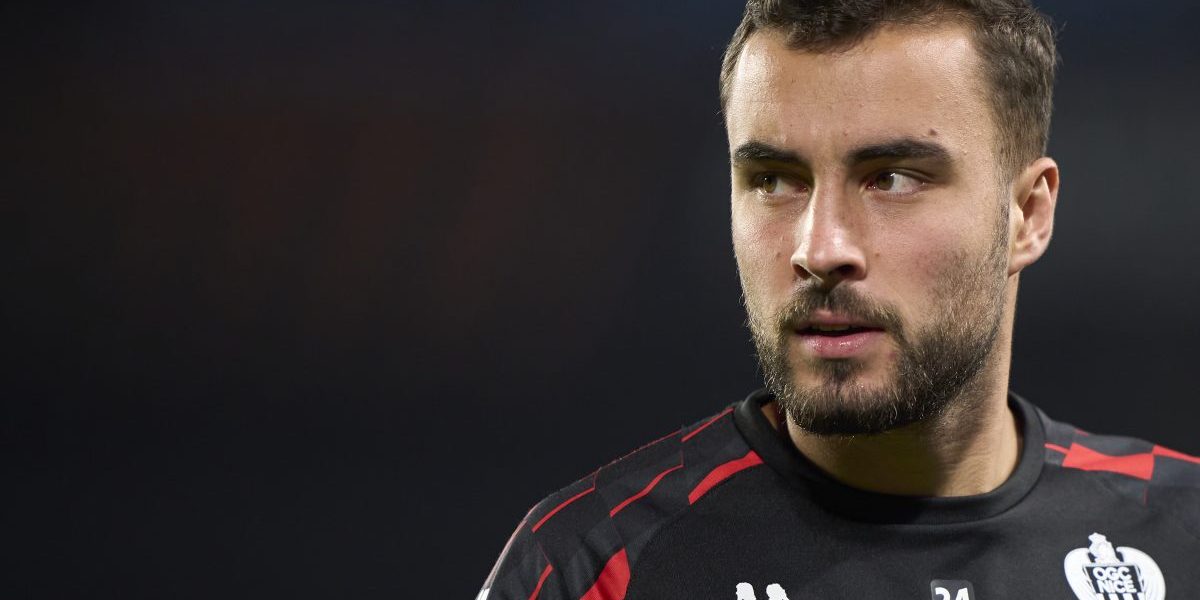
POLICY WIRE — Rotterdam, Netherlands — Charles Vanhoutte, a name that barely registers beyond the hardcore football enthusiast, is on the move again. At 27, he’s neither a prodigious youth nor a global icon, yet his latest transfer from OGC Nice to Feyenoord offers a stark, if unromantic, lens into the intricate global economy—where talent, ambition, and capital intertwine with all the messy complexity of international diplomacy. It’s not just a sport; it’s a colossal marketplace, a silent barometer of wealth — and influence.
Consider the journeyman midfielder. He only joined Nice last summer, signing from Union Saint-Gilloise. A year in French football—that’s all it took. That quick turnaround isn’t just about tactical fits or coach-player relationships. It’s a microcosm of the liquidity defining the contemporary global labor force, particularly for those with marketable, albeit niche, skills. People move for opportunity, for a better fit, or, quite simply, because someone else has opened the purse strings. Vanhoutte hoped that the move to the Allianz Riviera would bolster his hopes of making Rudi Garcia’s Belgium squad for the FIFA World Cup. Ambition, isn’t it? A dream woven into the fabric of contracts — and transfer fees. [QUOTE_PLACEHOLDER]
His story—he started well under Franck Haise, who pushed to bring him to the club, but his impact waned as Nice struggled—reads less like a sports biography and more like an earnings report. A good initial quarter, followed by a downturn. By the end of the season, under Claude Puel, he was no longer the key player that he was at the start of the campaign. That’s market dynamics for you, swift — and brutal. Player value isn’t static; it ebbs and flows with performance, team fortunes, and, frankly, the whims of coaching staff and management.
This whole spectacle of player movement—from scouts watching amateur leagues in far-flung corners of the world to agents negotiating multi-million-euro deals in plush boardrooms—it all traces back to supply and demand. European football, for better or worse, has become the premier destination for global talent, attracting athletes from South America, Africa, and increasingly, Asia. And yes, it shapes narratives, alters perceptions, even provides a touch of global unity when fans from different continents cheer for the same club.
And what about the sheer economics? L’Équipe revealed last week that Feyenoord were in talks with Nice over a transfer and on Sunday, an agreement between the two clubs was reached. Not exactly diplomatic talks to avert war, but significant capital changes hands. Le Gym will receive €6m for the midfielder, L’Équipe report. Six million euros. For one man’s athletic services, exchanged between two clubs from different nations, in a single transaction. Think about the cascading effects: agent fees, ancillary services, the investment cycles within clubs that these sums represent.
But the true policy implications often go unnoticed, drowned out by goal highlights — and fan fervor. When we consider how this sort of capital and talent mobility shapes narratives globally, we must remember the extensive soft power Europe wields through football. Pakistan, for instance, a nation steeped in cricket passion, sees its youth increasingly drawn to the European football giants, not merely for entertainment, but for an imagined future, a possibility of escaping economic constraints. This global fandom isn’t coincidental; it’s the carefully cultivated result of decades of investment, brand building, and, yes, the dramatic transfers of players like Vanhoutte, even if they aren’t household names on every continent. These leagues are magnets, drawing eyes and, eventually, aspirations.
He is expected to travel to the Netherlands in the coming days in order to undergo a medical — and complete the move. A bureaucratic formality, yes. But also, a mini-saga of international travel, visa clearances (likely frictionless for an EU citizen, but not for others), and a physical vetting that makes one wonder about the human cost of these highly professionalized transactions. According to UEFA’s latest club licensing benchmark report, Europe’s top 50 clubs alone collectively generated over €20 billion in revenue last year. That’s a staggering sum, indicating the immense financial power propelling these transfers. And Charles Vanhoutte is just a speck in that financial ocean, yet his move illustrates the fundamental mechanisms at play.
Because ultimately, these deals aren’t just about winning games. They’re about asset management, about brand visibility, about positioning one club in the intricate, high-stakes poker game of global football — a game that often mirrors geopolitical maneuverings, if you squint just right. For many developing nations, the dream of a professional football career in Europe represents one of the few tangible pathways to economic upliftment, contributing to both internal brain drain and external remittances, shaping social structures far from the Allianz Riviera or the Netherlands. (The complexities of international agreements in seemingly unrelated fields can often highlight these quiet migrations.) It’s more than a sport; it’s a statement about global inequality and ambition.
What This Means
Vanhoutte’s modest transfer isn’t just sports page fodder. It’s an illustrative data point in the broader political economy of global talent. First, it highlights the intense, sometimes brutal, transactional nature of the modern labor market for specialized skills, especially those tied to ephemeral performance metrics. Players are commodities, and their values fluctuate, requiring adaptability and an almost mercenary mindset for career longevity.
Second, this movement of European athletes, albeit within a specific professional sphere, models the global brain drain phenomena, though here it’s largely an internal EU phenomenon. But extend this outward—from talent leaving Nigeria for France, or Argentina for Spain—and you see established channels for high-value human capital. Countries unable to retain their top talent, or to adequately compensate them, become perpetual exporters, sometimes gaining through remittances, but often losing long-term intellectual and physical assets.
Third, and more subtly, the financial scale of modern football transfers, even for non-superstars, reflects vast accumulations of wealth and commercialization that often dwarf the GDPs of smaller nations. The six million euros for Vanhoutte—a tidy sum for any individual—is but a fraction of a fraction in the grand scheme of football’s globalized financial infrastructure. It’s money changing hands, reinforcing existing power structures, influencing media consumption patterns, and projecting cultural dominance—soft power, indeed. And similar forces are at play across many professional sports, transforming human endeavor into pure capital. These transactions, often framed purely as sporting news, are, in fact, continuous indicators of a globalized economy that values talent above all else, often stripping it from one context to enrich another, impacting geopolitics in ways rarely considered over a beer at the local pub.