

New Mexico Braces: Weekend Storms Threaten Scarred Lands, Exposing Deeper Climate Vulnerabilities
POLICY WIRE — Albuquerque, United States — It isn’t just another weekend forecast, not for New Mexico, especially for parts of the state still reeling from the ravages of recent wildfires....

POLICY WIRE — Albuquerque, United States — It isn’t just another weekend forecast, not for New Mexico, especially for parts of the state still reeling from the ravages of recent wildfires. What’s brewing over the high desert isn’t just inconvenient weather; it’s another harsh lesson in ecological precarity, with profound implications for fragile ecosystems and the communities clinging to them.
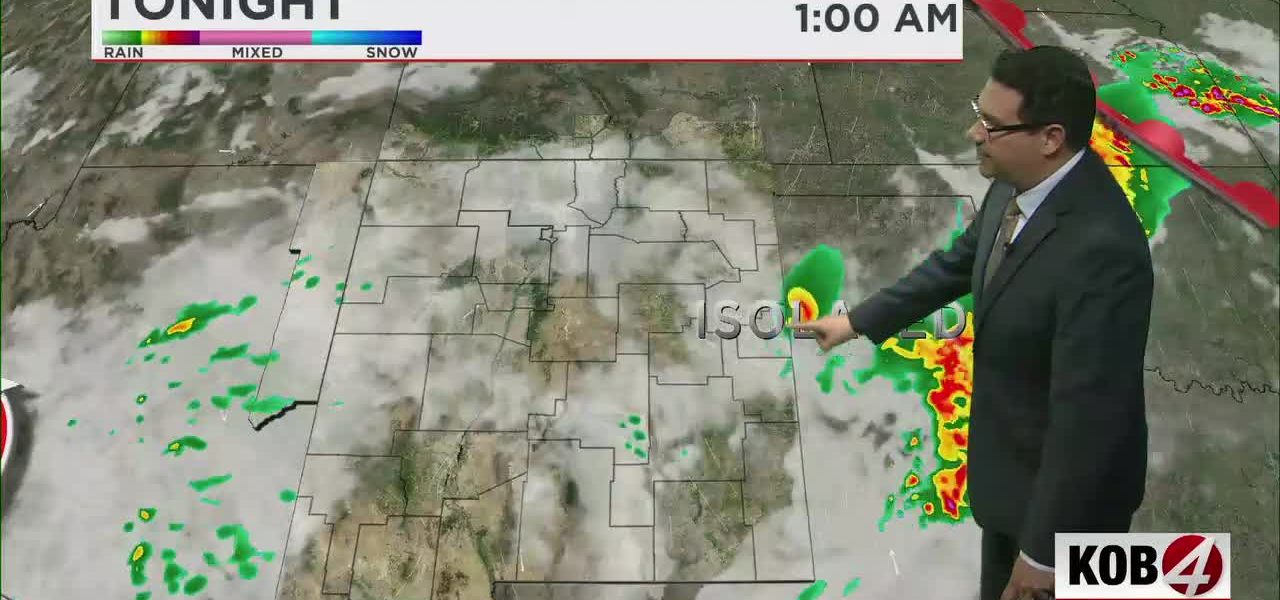
Friday night, the state’s northeastern flank was set to receive a hammering. Forecasts warned, without much journalistic flourish, that [QUOTE_PLACEHOLDER] Folks around Raton, Clayton, Springer, and Maxwell, among others, probably felt a familiar tightening in the gut. The main severe weather threat tonight will focus on Raton, Clayton, Springer, Maxwell, Tucumcari and the Texas border region, forecasters noted, with [QUOTE_PLACEHOLDER] One might even say Mother Nature enjoys a grand tour. And while [QUOTE_PLACEHOLDER] the respite promised wasn’t exactly a blank check for clear skies.
Saturday will look a bit less active, the prognosticators tell us, a small mercy perhaps. But that hardly means a complete reprieve. Thunderstorms will still develop during the afternoon as the focus shifts slightly east and south, affecting places like Ruidoso, Capitan, and Roswell. Here, the phrase [QUOTE_PLACEHOLDER] serves as less of a weather warning and more of a quiet, dreadful pronouncement. These scars, still raw from devastating fires, represent landscapes stripped of their natural defenses. Where trees and undergrowth once absorbed rainwater, now there’s little but charred earth and ash, primed for catastrophic runoff. This is where seemingly routine weather morphs into genuine disaster potential, and we’ve learned this particular lesson far too many times, from California to the Mediterranean to regions of South Asia, that once vibrant landscapes, ravaged by fire, become dangerously susceptible to sudden deluges.
But the real crescendo, or at least the biggest anxiety producer, seems slated for Sunday. Sunday may become the busiest weather day in the extended forecast, it’s believed, thanks to a [QUOTE_PLACEHOLDER] creeping into eastern New Mexico. That setup will increase moisture, instability — and wind shear across much of eastern New Mexico. The hit list for storm development extends from Las Vegas to Clovis, threatening large hail, damaging winds, and dangerous lightning. And just to underline the state’s perennial vulnerability, the forecast warns: [QUOTE_PLACEHOLDER] These aren’t just place names; they’re the battlefields in an ongoing, asymmetrical war between human habitation and environmental degradation, made all the more volatile by shifting climate patterns.
And it’s this intersection that defines our new reality. New Mexico’s struggles—from prolonged drought making the land tinder-dry, to intense, localized rainfall overwhelming the landscape—aren’t isolated. You see a similar pattern globally. Consider the devastating monsoon floods that have repeatedly ravaged Pakistan in recent years. Decades of deforestation and the construction of settlements in floodplains have dramatically increased vulnerability, transforming predictable seasonal rains into life-shattering calamities. Much like New Mexico’s burn scars, Pakistan’s denuded hillsides offer little resistance to water, leading to unprecedented runoff and widespread destruction. The scale is different, sure, but the underlying mechanisms of ecological disruption fueling disaster are strikingly similar. In 2022 alone, the catastrophic floods in Pakistan impacted an estimated 33 million people, leaving vast agricultural lands submerged and countless homes destroyed. It’s a chilling reminder that climate change doesn’t discriminate; it merely exploits existing vulnerabilities, whether it’s a drought-stricken American Southwest or the fertile floodplains of the Indus.
A recent National Academies of Sciences, Engineering, and Medicine report found that the Southwestern United States experienced an approximate 20% increase in average annual wildfire area burned between 1984 and 2015, directly correlating with amplified post-fire flood risks. This isn’t just about the occasional bad day; it’s about a systemic increase in the frequency and intensity of events that tax emergency services, erode local economies, and fray the social fabric. It’s a continuous, low-level stress test for governance, where communities are pushed to rebuild, often in the same vulnerable spots, while the specter of the next event always looms.
Because ultimately, these weather patterns aren’t just meteorological phenomena; they’re economic disruptors. They’re tests of community resilience. They’re political hot potatoes. And in New Mexico, like so many other places worldwide, the line between an ordinary summer storm and an extraordinary disaster has become perilously thin.
What This Means
This isn’t merely a localized weather report; it’s a stark reminder of escalating climate-induced risks across varied geographies. For New Mexico, the recurring threat of severe storms, particularly over wildfire-scarred lands, translates directly into amplified costs for local and state governments. We’re talking millions in emergency response, infrastructure repairs, and long-term recovery efforts, potentially diverting funds from other critical public services like education or healthcare. Property values in vulnerable zones could plummet, impacting local tax bases and insurance markets will almost certainly become more restrictive, possibly pricing out segments of the population. It’s a creeping economic drain that most budgets just weren’t built for.
But there’s also a significant political dimension. Local officials in areas like Ruidoso are under immense pressure. They must balance immediate flood preparedness with long-term climate adaptation strategies, often with limited resources and competing priorities. A single devastating event can cripple a small town, displacing residents and eroding trust in governmental effectiveness. Nationally, these localized crises contribute to a broader narrative about federal disaster aid, sparking debates over funding levels, response efficiency, and whether such aid encourages risky development in disaster-prone areas. It forces an uncomfortable conversation about managed retreat versus perpetual rebuilding.
And yes, the resonance extends globally. New Mexico’s struggles echo loudly across the Muslim world and South Asia, where climate change disproportionately affects communities already grappling with resource scarcity, political instability, and burgeoning populations. The very same challenges – increased flash flooding, crop destruction, displacement, and the need for robust disaster management systems – are playing out on a much larger scale in places like Pakistan, Bangladesh, and parts of the Sahel. The lesson? Effective policy in an era of climate volatility isn’t about isolated interventions. It’s about building comprehensive, adaptive systems that recognize the interconnectedness of environmental health, economic stability, and human security, regardless of longitude or latitude.