


Bramall Lane’s Shaken Foundation: Ex-Manchester United Man’s Unexpected Call
POLICY WIRE — Sheffield, UK — The familiar rumble around Bramall Lane has taken a surprisingly quiet turn. Not the usual roars or groans of a Championship match day, but the almost imperceptible...

POLICY WIRE — Sheffield, UK — The familiar rumble around Bramall Lane has taken a surprisingly quiet turn. Not the usual roars or groans of a Championship match day, but the almost imperceptible tremor signaling a profound shift behind the scenes. This isn’t just another transfer whisper; it’s the potential severance of a decades-long coaching partnership, one that has, for better or worse, shaped the very identity of Sheffield United under manager Chris Wilder. And sometimes, you know, these moments of fundamental change open the door for the truly unexpected, pushing desperate clubs toward gambles once unthinkable.
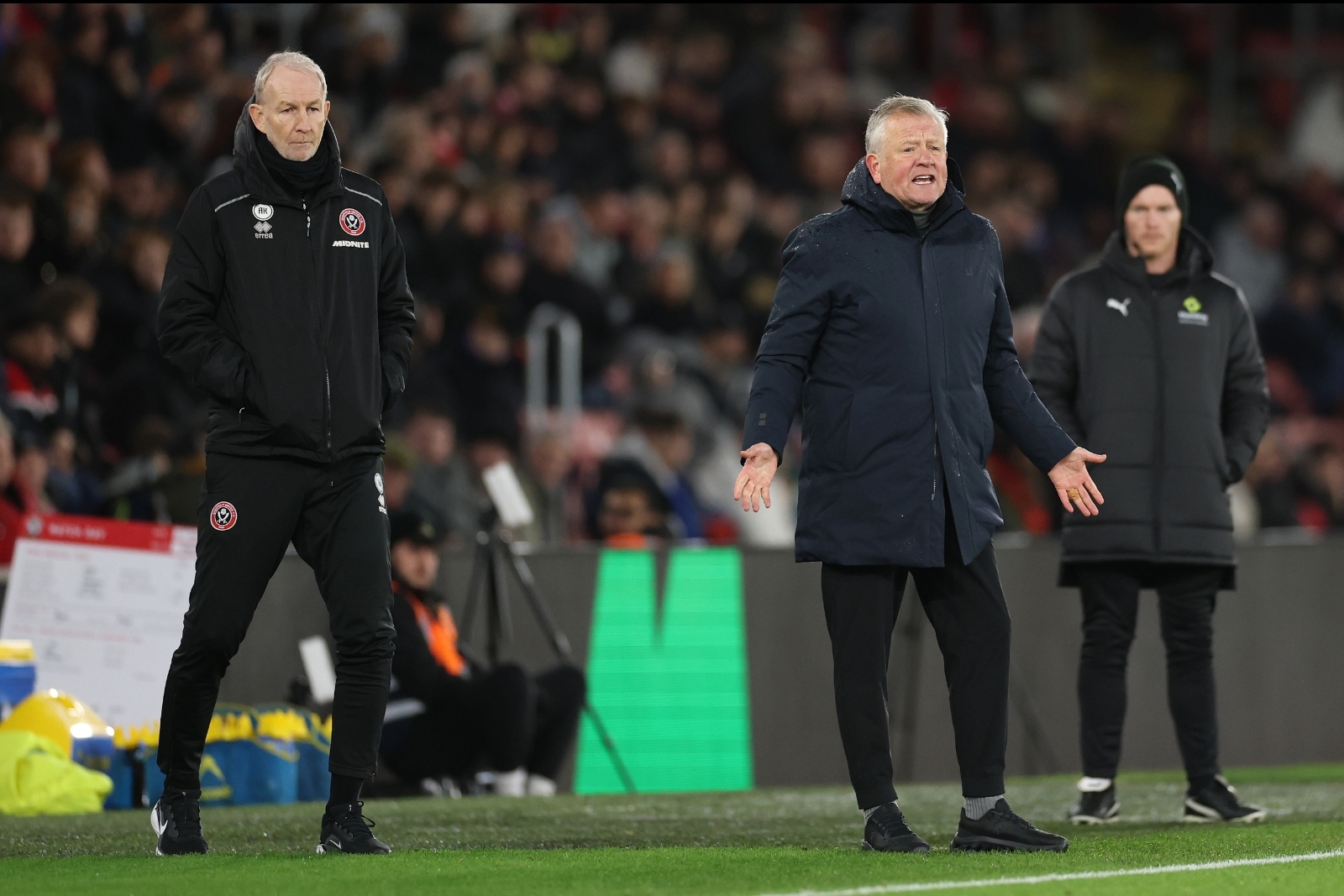
Sources close to the club suggest that Alan Knill, Wilder’s steadfast right-hand man across multiple tenures—from Oxford United to the tumultuous Premier League spells—is reportedly edging towards an exit. If true, it marks the end of an era, a pairing as etched into modern English football lore as tea — and biscuits. But his impending departure leaves a void, and in the peculiar churn of football’s backrooms, an opening that might just be filled by a familiar, yet entirely improbable, name: Phil Jones.
Yes, that Phil Jones. The former Manchester United defender, whose later career became a mournful symphony of injury reports and fitness woes, is now purportedly being eyed for a coaching role with the Blades. It’s a move that, on paper, feels less like a calculated step and more like a throw of the dice for a club that finished a disappointing 13th in the Championship last season. They struggled for consistency, leaking goals and points with disheartening regularity, confirming official league statistics.
Chris Wilder, a man known for his pragmatic bluntness, hasn’t shied away from the need for a shake-up. He reportedly mused to a close confidante, ‘Look, we need to inject something fresh. Doing the same thing, expecting different results? That’s madness. Phil brings a winner’s mentality, a Premier League mindset this club sorely needs to get back to where we belong.’ It’s the kind of frank assessment one expects from a manager whose loyalty runs deep but whose ambition burns hotter.
Jones, despite his physical travails, learned his trade under some of football’s titans: Sir Alex Ferguson, José Mourinho, Louis van Gaal. He made over 200 appearances for Manchester United, collecting Premier League — and FA Cup medals along the way. That pedigree, those experiences in the white-hot crucible of elite European football, are priceless. Because really, what a Championship defence often lacks isn’t just technical skill; it’s the raw, instinctual knowledge of how to operate under relentless pressure.
One official, perhaps a little too candidly, outlined the appeal. ‘We’re not bringing in some rookie. We’re bringing in a mind that’s seen it all, done it all, at the very pinnacle. He might be young in coaching years, but his insights on defensive structure, man-management under duress—they’re worth their weight in gold. Especially for lads like Japhet Tanganga, who’ve got flashes of brilliance but need that steadying hand, that seasoned mentor, on and off the training ground.’ And for Jones himself, who earned 27 caps for England, this could be a rebirth. He’s said to be genuinely excited by the prospect, declaring recently, ‘I’ve learned from some of the very best – tactical geniuses and man-managers alike. The top tier demands a relentless focus, and I’m eager to bring that drive to Bramall Lane, to develop players and instill that winning edge.’ It’s a conviction that seems to flow right from his Old Trafford education.
The global village of football, even in its Championship tier, ensures that these stories reverberate far beyond South Yorkshire. For ardent followers of English football across the Muslim world—from the bustling bazaars of Karachi to the digital cafes of Dubai—the familiar names carry weight. An ex-Premier League star joining a second-tier club isn’t just a local footnote; it’s part of the ceaseless narrative that defines their devotion. Their eyeballs, — and the associated global media rights, ultimately fuel these decisions. It’s a brutal logic that underpins much of Europe’s grandest game, whether one’s focus is on wonderkids or rehabilitating ex-heroes.
What This Means
Sheffield United’s prospective coaching reshuffle isn’t merely about filling a vacancy; it’s a symptom of deeper strategic recalibrations forced upon clubs by the harsh economic realities of the modern game. Losing a long-term assistant like Knill necessitates a fresh, perhaps even radical, approach to personnel. For a club perennially teetering between the Premier League and the Championship, financial prudence must tango with the desperate chase for an edge. Hiring a figure like Jones, with his undeniable playing pedigree but limited coaching experience, represents a calculated risk. It’s a low-cost, high-upside bet on potential rather than proven management—a strategy many clubs are adopting to navigate football’s increasingly inflated wage structures and transfer fees. If it works, he brings immediate credibility — and a wealth of high-level defensive insights. If it doesn’t, well, that’s just another statistic on the path to inevitable future overhauls. The quest for fractional gains dictates these seemingly quixotic hires, making the game a high-stakes arena where past glory offers only a temporary respite from present pressures.