

Silent Screams and Medical Truth: A Toddler’s Final Chapter in New Mexico
POLICY WIRE — Albuquerque, NM — It wasn’t a broken bone, a scraped knee, or the usual bumps that land a toddler in a clinic. No, what brought a 1-year-old child to Presbyterian Hospital on a late May...

POLICY WIRE — Albuquerque, NM — It wasn’t a broken bone, a scraped knee, or the usual bumps that land a toddler in a clinic. No, what brought a 1-year-old child to Presbyterian Hospital on a late May afternoon wasn’t typical at all—it was a tragedy waiting for its final, devastating act. From there, to the sterile, unforgiving environment of UNM Hospital’s intensive care, the little one clung to a life that had, by then, slipped far beyond the grasp of medical science or, apparently, maternal protection. A week later, doctors did what they had to, — and that small, vulnerable life ended.
It’s the bureaucratic aftermath that now unfolds, stripping away the thin veneer of normalcy. Police, with their grim mandate, didn’t start at square one. They started with medical personnel, with specialists, folks who see things in bones and bruises that laypersons just can’t fathom. And what they saw—what the Albuquerque Police Department alleges they uncovered—was injuries “on multiple occasions” preceding this final, fatal hospitalization. Not just one bad fall, not a single accident, but a pattern.
Molina allegedly said the child was injured in a fall but medical personnel determined the injuries weren’t consistent with that explanation. That’s how these things often start, you know? A narrative provided, then a stark, cold medical truth that just doesn’t align. It’s that chilling disparity, that clinical disproving of a presented story, which triggers the alarms—the ones we, as a society, sometimes tune out until it’s far too late.
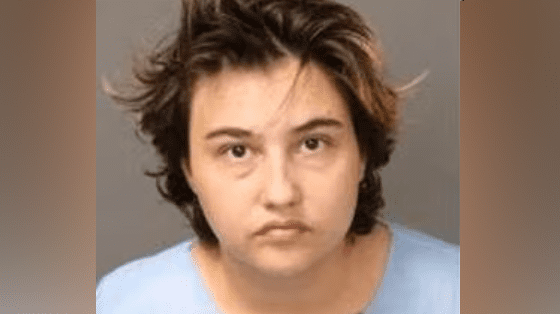
Now, 32-year-old Tabitha Molina, the mother, isn’t just dealing with an unbearable loss. She’s staring down the barrel of serious criminal charges. Charges of intentional child abuse resulting in death — and child abuse. A warrant’s been issued, an arrest made, and a community has another grim story whispered over fences and hushed supermarket aisles. The investigation remains active — and ongoing, a relentless, procedural crawl towards some semblance of accountability. And the child’s autopsy? Still pending. Just another data point in a chain of increasingly horrifying discoveries, a last, quiet voice seeking justice.
But this isn’t just about the mechanics of an arrest or the slow march of justice in one dusty New Mexico town. No, these incidents, when pulled back, reveal deeper fissures in society. They echo the systemic neglect — and often silent suffering that too many children endure, not just here, but globally. It’s a bitter pill to swallow.
📄 POLICY WIRE WHITEPAPER PUBLISHED: PAKISTAN'S NATIONAL SECURITY POLICY PRIORITIES
👉 READ BY CLICKING HEREWhat This Means
When the fragile scaffolding of family collapses, it rarely does so quietly—even if the sounds are muted to the outside world. This tragedy in Albuquerque, while localized, serves as a grim echo of global failures in child protection. It isn’t unique; you see variations of it everywhere, from suburban American homes to overcrowded slums in South Asia.
Consider the broader context, for instance. In many Muslim-majority countries, cultural norms surrounding family privacy—or indeed, a sometimes-misguided interpretation of familial autonomy—can make external intervention in household matters exceptionally complex. Social services, if they even exist in a robust form, frequently grapple with community resistance or inadequate resources, leading to situations where signs of child abuse, even severe, go unreported until it’s far too late. There’s a quiet epidemic of overlooked children. And here’s the brutal reality: A 2022 report from the U.S. Department of Health & Human Services indicated that parents were the perpetrators in over 75% of child fatalities from maltreatment across the United States. That figure—three out of four—should haunt us.
Economically, such incidents place an incredible strain on already stretched social welfare systems and emergency services. It costs money, real money, to investigate, to prosecute, to provide palliative care, and even more to try and fix systemic gaps that allow these horrors to persist. Politically, while direct legislation might seem the answer, the implementation of effective child protection policies demands not just laws, but a profound cultural shift—a redefinition of what constitutes acceptable parenting and community responsibility.
It’s a tricky tightrope, balancing family privacy with the absolute necessity of child safety. But, for a society that often espouses its foundational concern for children, our actions—or, more accurately, our inactions—often betray a cynicism. We frequently fail to intervene until the headlines demand attention, only when the medical personnel, as in this Albuquerque case, have nothing left to give but their diagnostic honesty. Because at the end of the day, a tiny, silent life paid the ultimate price, a consequence no politician or policy paper can ever truly articulate. It’s a dark reality, really, and one that requires us to look long and hard at what we truly value—or rather, what we don’t. We like to pretend these are isolated incidents, but they aren’t. They’re symptoms of something larger, something rotting just beneath the surface, quietly demanding reckoning.
📖 GET YOUR FREE COPY NOW OF POLICY WIRE DIGITAL MAGAZINE JULY 2026 EDITION
👉 READ & DOWNLOAD FREE MAGAZINE