

New Mexico’s Shadow Smoker: A Generation Traded One Addiction for Another
POLICY WIRE — SANTA FE, N.M. — In New Mexico, they’re popping the champagne (figuratively, of course) over a noticeable dip in traditional cigarette smoking. And why shouldn’t they?...

POLICY WIRE — SANTA FE, N.M. — In New Mexico, they’re popping the champagne (figuratively, of course) over a noticeable dip in traditional cigarette smoking. And why shouldn’t they? It’s been a long, grinding war, one fought across decades with tax hikes, advertising bans, and stern warnings from every public health body you can name. But as the state pats itself on the back, a thicker, sweeter-smelling cloud of vapor hangs heavy in the air, a rather insidious sign that perhaps, just perhaps, they’ve only traded one dragon for a slicker, shinier beast.
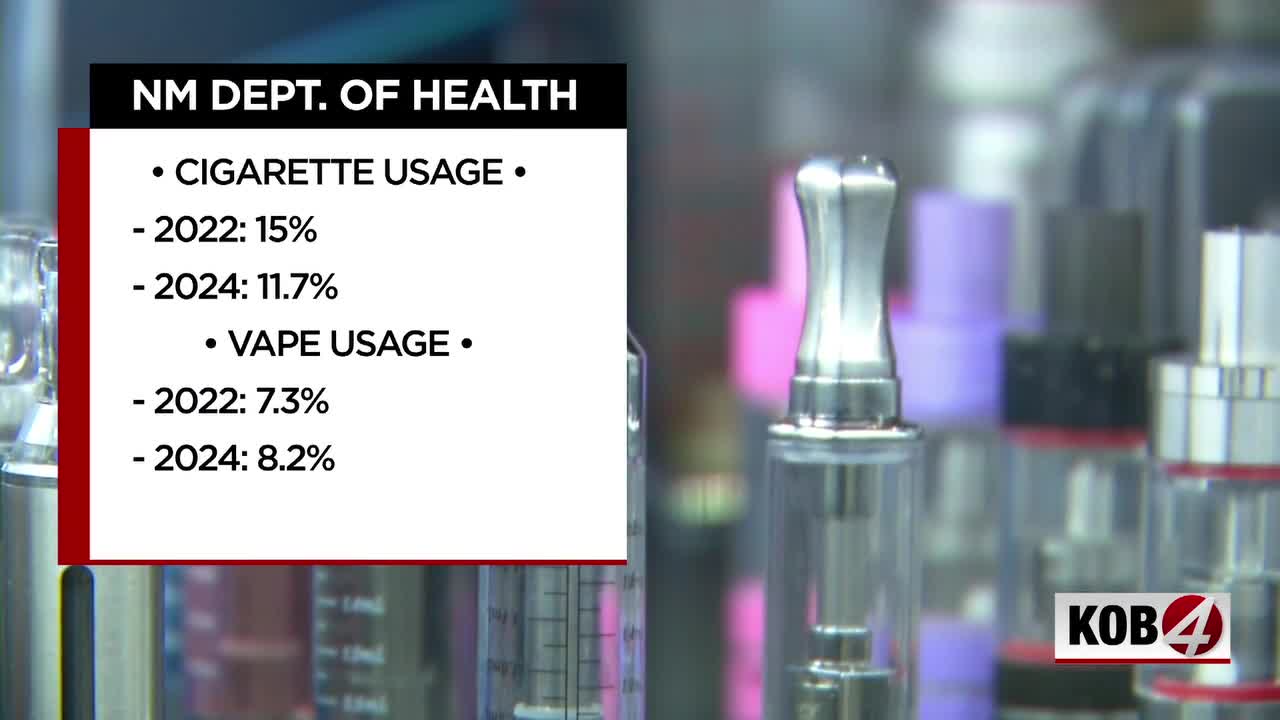
Officials crow about a 4% fall in cigarette smoking between 2022 — and 2024. That’s good, don’t get me wrong. It represents lives potentially saved, fewer debilitating lung conditions down the road. But this good news arrives shackled to a particularly uncomfortable truth: vape use shot up by more than 1% in the same timeframe. So, are we really winning? Or just reshuffling the deck chairs on the Titanic of public health, swapping unfiltered coffin nails for something that smells vaguely of fruit punch and causes… well, we’re not entirely sure what, but it’s certainly not nothing.
“We’ve seen significant gains in reducing conventional tobacco use, especially among our high school students, which is incredibly encouraging,” explained Dr. Anya Sharma, New Mexico’s Assistant Secretary for Public Health. “But the surge in e-cigarette adoption—that’s a clear and present danger we didn’t fully anticipate. It’s like we’re fighting a multi-headed hydra, and when you cut one head, another, more potent one, sprouts in its place. We absolutely can’t rest; the battle against nicotine addiction has just evolved, not ended.” Her tone suggested cautious victory, but also a deep weariness, as if the regulatory body was running on fumes.
The numbers themselves tell a convoluted story. Yes, high school cigarette smoking cratered from 8.3% in 2019 to a mere 3.3% by 2023. You can chalk that up to generational shift, effective anti-smoking campaigns, and probably the sheer unfashionability of inhaling burning leaves anymore. And middle school e-cigarette use, initially a nightmare scenario, did see a drop, going from 15.1% to 10.4% in the same period. That’s a reprieve, sure. But look closely at the larger picture for general vape usage across adult demographics and the quiet, pervasive influence of these products — it’s not a pretty picture.
And because these things always boil down to who profits, New Mexico Attorney General Raul Torrez has swung into action, filing a rather bold lawsuit against several major convenience store chains. He’s alleging what many parents have suspected for ages: that these places are—surprise, surprise—actively contributing to youth nicotine addiction. His claim? Bright packaging, flavors mimicking everything from cotton candy to key lime pie—it’s all designed to hook kids, pure and simple. It’s a calculated strategy, one we’ve seen big tobacco employ for decades, adapted for a new age, a new delivery system.
“We’re not going to stand by while corporations peddle addiction to our children,” Torrez stated firmly, his voice echoing a long-standing public sentiment against the industry. “They’re exploiting loopholes, leveraging attractive marketing, — and quite frankly, destroying futures for a quick buck. We’re seeking significant civil penalties under the New Mexico Unfair Practices Act, not just to penalize them, but to send an unequivocal message that New Mexico is not open for the business of hooking kids on nicotine.” He’s not just talking about money; he’s talking about setting a precedent.
It’s a global conundrum, you see. From the bustling streets of Lahore to the quieter suburbs of Santa Fe, the struggle against insidious marketing tactics, especially those targeting impressionable young minds, remains constant. Much like developing nations grapple with pharmaceutical companies and fast-food giants, American states confront multinational corporations adept at rebranding, innovating, and, ultimately, extracting profits from human weakness. Here, the Department of Health starkly reports that tobacco—in all its evolving forms—is responsible for a shocking 24% of all cancer deaths in New Mexico, killing upwards of 2,000 residents annually, according to official state statistics.
What This Means
Politically, Attorney General Torrez’s lawsuit is a shrewd move. It allows him to position himself as a champion of public health and child safety, appealing to a broad swath of voters—parents, educators, healthcare professionals. This isn’t merely about prosecuting bad actors; it’s about signaling a strong, aggressive stance against corporate overreach, an issue with increasing resonance nationwide, and one where even small states can take on powerful Goliaths, much like smaller municipalities pushing back against major industries. Economically, however, it’s a more complex picture. A crackdown could hurt local businesses dependent on tobacco and vape sales, forcing them to re-evaluate their inventories. But the long-term benefits of reduced healthcare costs and a healthier workforce are undeniable, if harder to quantify immediately. For the federal government, this mirrors their own dance with the tobacco and e-cigarette industry; state-level actions often become the test beds for broader national policies. It also spotlights a disturbing pattern: as regulators gain ground on one addictive product, industries swiftly pivot, finding new avenues to perpetuate dependency—a challenge that isn’t unique to New Mexico, but is, in fact, a constant friction between policymakers and powerful corporations across the globe. Policy leaders are clearly looking for a way out of this merry-go-round, or at least a way to slow it down before another generation gets trapped.