


Albuquerque’s Perilous Paradox: Deadly Crashes Climb as Enforcement Wanes
POLICY WIRE — ALBUQUERQUE, N.M. — The asphalt, as it turns out, is a particularly unforgiving teacher of statistics. Here in Albuquerque, where desert heat is now firmly settling in, a curious and...

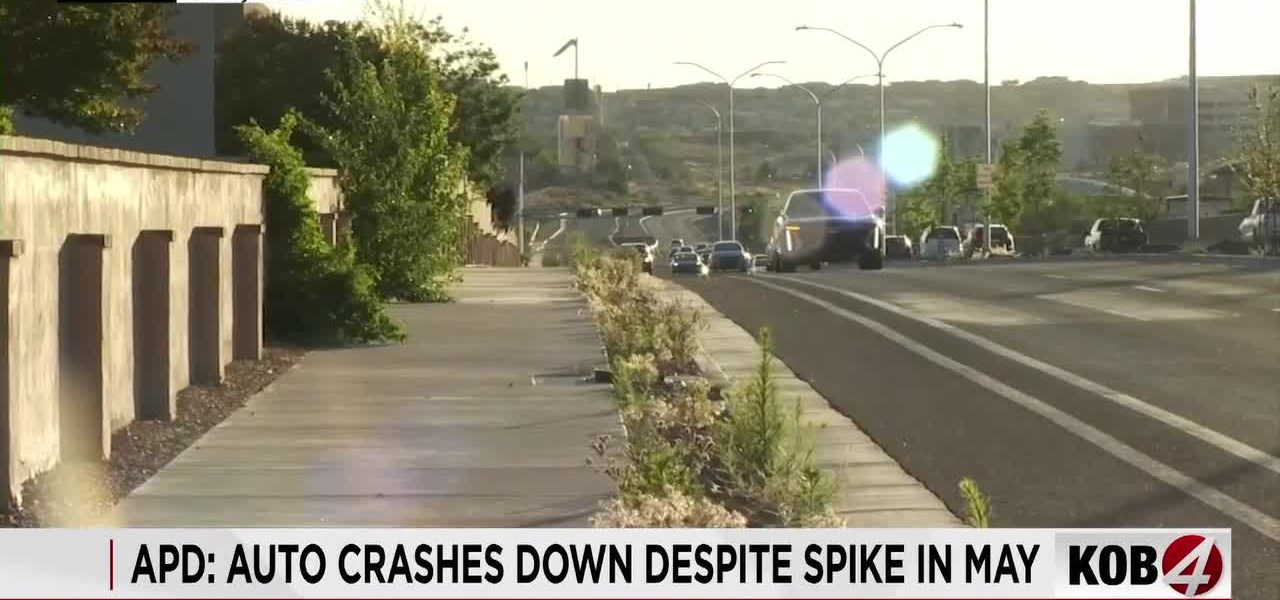
POLICY WIRE — ALBUQUERQUE, N.M. — The asphalt, as it turns out, is a particularly unforgiving teacher of statistics. Here in Albuquerque, where desert heat is now firmly settling in, a curious and rather grim arithmetic is playing out on city streets. It isn’t just about rising temperatures; it’s about a paradox — a city experiencing a reported decline in overall traffic fatalities even as the bloodied toll from sudden, deadly incidents unexpectedly spiked last month.
May saw the Albuquerque Police Department (APD) logging a staggering eight fatal crashes. Eight. That’s a sharp, jarring rise, especially when considered against the broader narrative peddled by authorities. And frankly, it’s a statistic that rips through the comfortable illusion of improved safety faster than a hot rod on Route 66. This unsettling trend emerges precisely as the police issued a mere [QUOTE_PLACEHOLDER] a noticeable drop from previous months’ enforcement.
Just two months prior, in March, a different story unfolded. [QUOTE_PLACEHOLDER] relayed a more robust effort: [QUOTE_PLACEHOLDER] Those numbers tell you something about how actively the law was being laid down. [QUOTE_PLACEHOLDER] It was a clear, visible effort to rein in the daily chaos on city thoroughfares, with a special emphasis, we’re told, on keeping the littlest citizens safe around their learning institutions.
“We do our best, very best to enforce laws in every single school zone throughout the year. So in the March of this March of 2026 in specific, we hit 22 of those just across the city,” Barnhill stated, emphasizing the commitment. And that’s good, or at least it sounds good. But then May rolled around, enforcement cooled down, — and the fatalities surged. Correlation isn’t causation, naturally, but one can’t help but connect these dots, especially when public safety hangs in the balance.
But how do we reconcile the two data points? This bizarre dichotomy—fewer tickets, more deaths, yet ‘overall traffic deaths are trending down’—begs a closer look. Sergeant Barnhill’s assessment is laconic, suggesting [QUOTE_PLACEHOLDER] It’s the seasonal lament of every police department across America, sure. Kids are out, people are out, fewer layers of clothing mean fewer layers of restraint, apparently. Still, it feels like an inadequate explanation for such a dramatic swing in the gravest of incidents.
Yet, amidst this confusing picture, one particular corner of traffic enforcement seems to be winning its battles. APD’s anti-DWI efforts, for example, aren’t just holding steady; they’re aggressively expanding their footprint. The department reports that [QUOTE_PLACEHOLDER] That’s a serious number, reflecting a significant and potentially impactful reallocation of resources or simply a sharper eye from officers. The difference in these statistics is stark, almost illustrating a choose-your-own-adventure path for how police address public danger. Some hazards get hammered, while others—like everyday reckless driving—seemingly ebb and flow with the summer breezes and, critically, the departmental citation quotas.
📄 POLICY WIRE WHITEPAPER PUBLISHED: PAKISTAN'S NATIONAL SECURITY POLICY PRIORITIES
👉 READ BY CLICKING HEREFor decades, urban planners and civic leaders in the bustling metropolises of Pakistan—Lahore, Karachi—have grappled with similar dilemmas. There, the dance between visible enforcement, infrastructure investment, and public compliance often appears even more precarious, less structured. Traffic deaths remain a chronic issue, often linked to erratic driving, over-capacity vehicles, and, yes, a certain laxity in day-to-day enforcement until a high-profile incident ignites a temporary crackdown. It’s a perpetual state of attempting to herd cats through rush hour. Albuquerque’s present quandary, though far less chaotic than a Karachi traffic jam, offers a surprisingly familiar echo of this constant struggle for control on congested roads, illustrating a shared global challenge in fostering road discipline.
What This Means
This isn’t just about Albuquerque, you know. This snapshot reveals something fundamental about urban governance — and the perception of safety everywhere. The apparent drop in overall traffic deaths might offer political solace—a handy metric for city officials to tout come election season. But the glaring spike in May’s deadly incidents, paired with declining general traffic enforcement, suggests a deeper, more volatile undercurrent.
And it’s a political hot potato. On one hand, constituents complain about ‘over-policing’ for minor infractions. On the other, the specter of eight sudden, tragic fatalities in a single month will inevitably prompt accusations of neglect or misprioritization of law enforcement efforts. It forces a tough conversation about resource allocation: Are APD’s efforts distributed effectively, or are they a scattershot approach? Because if overall deaths are down but sudden, fatal collisions are up, we’ve got a problem of perception versus reality. It points to a need for more nuanced public safety metrics beyond just the broad stroke of ‘total accidents.’ After all, one fatality casts a very long, very dark shadow that no PR department can fully obscure. Perhaps, as many South Asian cities have found, the efficacy isn’t just in enforcement numbers, but in sustained public education and proactive design improvements. Otherwise, we’re just managing chaos, not preventing it.