

Albuquerque’s Crumbling Nostalgia: The Slow Demise of Lindy’s Diner
POLICY WIRE — Albuquerque, N.M. — Downtown Albuquerque, a place steeped in the kind of dusty lore Route 66 postcards only hint at, finds itself grappling with more than just nostalgia. It’s facing...

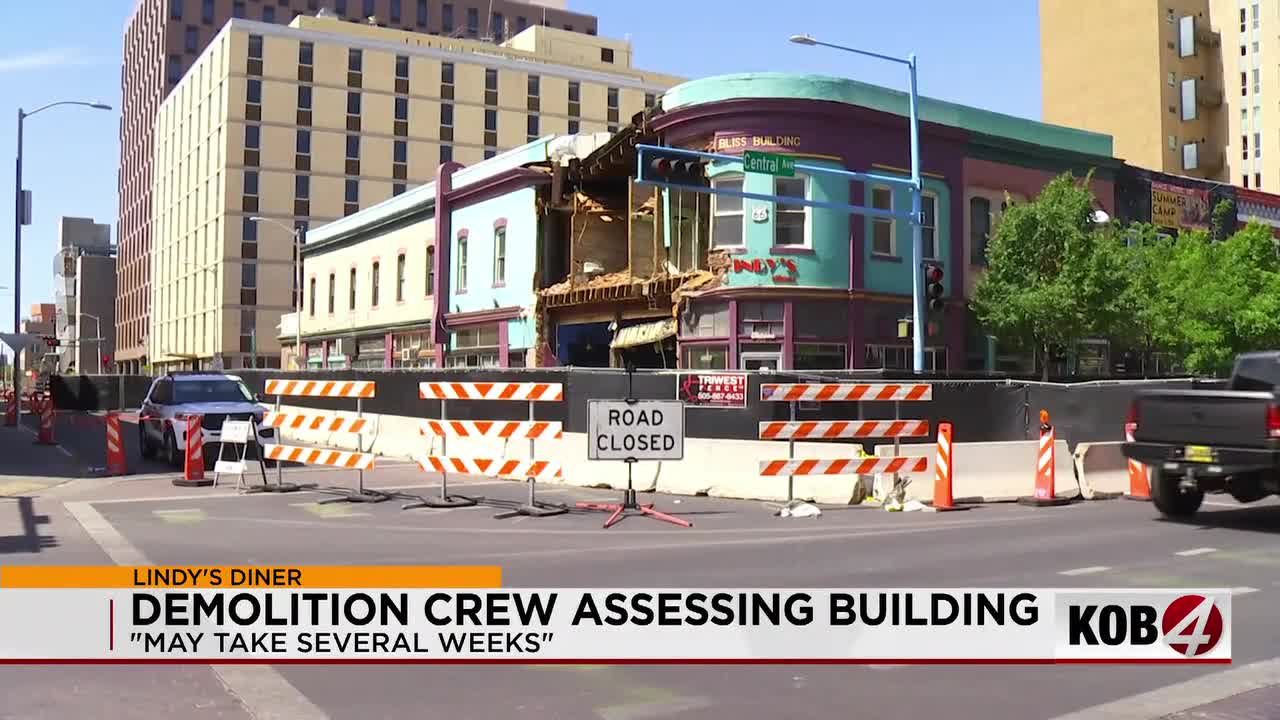
POLICY WIRE — Albuquerque, N.M. — Downtown Albuquerque, a place steeped in the kind of dusty lore Route 66 postcards only hint at, finds itself grappling with more than just nostalgia. It’s facing the drawn-out, public capitulation of a city landmark—or what’s left of it. For weeks now, the partially collapsed skeleton of Lindy’s Diner has been a grim sentinel, a concrete ghost reminding passersby that sometimes, even progress moves at a snail’s pace.
It’s not just a collapsed building, is it? It’s a metaphor. The structure’s ongoing decay, a physical manifestation of urban infrastructure’s slow battle against time and, well, inertia. Over a month after the initial incident, a bureaucratic shuffle of permits and assessments has dragged the process into a purgatorial holding pattern. It’s the kind of systemic friction that often makes you wonder if anyone truly wants anything to get done, or if it’s simply the natural state of things—a molasses-like viscosity applied to any public endeavor.
City officials finally got their paperwork ducks in a row last Friday, securing that ever-elusive demolition permit. But don’t pop the champagne just yet. Because, as of Monday, the folks from Guzman Construction Solutions—the firm tasked with the unenviable job—are only just starting their assessment. It’s an unfolding saga that feels less like a demolition and more like an archaeological dig, minus the academic excitement. And they’re not shy about it, telling local news outlet KOB 4 that the assessment will be [QUOTE_PLACEHOLDER]a slow and methodical disassembly. Not exactly a rapid response, then.
For weeks to come, folks who navigate the city center can expect Central — and 5th to remain partially shuttered. Traffic, already a special kind of beast in any urban sprawl, gets another wrinkle. City workers acknowledge this isn’t set in stone; it could change as the demolition gets underway. You’ve gotta love that wiggle room. It’s not just about one diner, see. It’s about the arterial flow of a city choked by debris, a very public performance of process over urgency.
What This Means
The prolonged saga of Lindy’s Diner is far from a unique anecdote; it’s a symptom. It highlights the complex, often glacial pace of municipal bureaucracy when confronted with a genuine structural emergency. For many, it points to deeper questions about infrastructure maintenance, building code enforcement, and the urban planning mechanisms meant to protect both public safety and commercial viability. This isn’t merely about knocking down a derelict building; it’s a test of civic agility — and accountability.
Economically, prolonged street closures aren’t just an inconvenience—they’re a drain. Small businesses in the vicinity suffer, foot traffic diminishes, and the overall vitality of the downtown core takes a hit. In a post-pandemic world, where urban centers are still clawing back their dynamism, every lost day, every rerouted commuter, represents a quantifiable cost. We’re talking lost revenue, lost wages—the kind of invisible economic ripple that spreads far wider than just a few blocked off streets. For instance, according to the American Road & Transportation Builders Association, a mere 10% increase in road user delay costs a region approximately 1% of its annual GDP. This isn’t insignificant when you multiply it across the various urban arteries facing similar issues across the country.
From a policy standpoint, this incident serves as a stark reminder of the perennial challenges faced by local governments worldwide. The meticulous (read: agonizingly slow) process of securing permits, assessing risk, and coordinating specialized contractors is a dance that plays out in cities everywhere, from the bustling megacities of India to the rapidly expanding urban landscapes of Pakistan. Think of Karachi, for example, where aging colonial-era buildings stand precariously alongside new, often unsanctioned, construction. When one of those gives way—and they often do—the response often mirrors Albuquerque’s: a flurry of assessment, protracted permits, and traffic disruptions that stretch into weeks, if not months.
There’s a subtle but significant irony here. While America projects an image of cutting-edge innovation, its very foundations—its physical infrastructure—often groan under the weight of neglect and bureaucratic red tape. And for a city that, much like many in South Asia, has often wrestled with its historical identity versus the push for modernization, the demolition of a structure, however unsung, invariably strips away a layer of that history. The pace of this demolition is less a testament to cautious planning and more an uncomfortable whisper about municipal efficiency, or its conspicuous absence. It’s the kind of story that transcends geographical boundaries, making you ponder if the missing link in managing these mundane but critical crises is often just swift, decisive action rather than endless deliberation. But alas, we live in a world where buildings collapse — and then wait, patiently, for paperwork to catch up. Sometimes, the wheels of progress don’t just turn slowly; they seize up entirely.