


Lindy’s Last Stand: Bureaucracy Slows Death Rattle of Albuquerque Icon
POLICY WIRE — Albuquerque, N.M. — The collective memory of a city, much like its older buildings, often crumbles not with a bang, but with a weary, drawn-out sigh. Lindy’s Diner, a downtown...

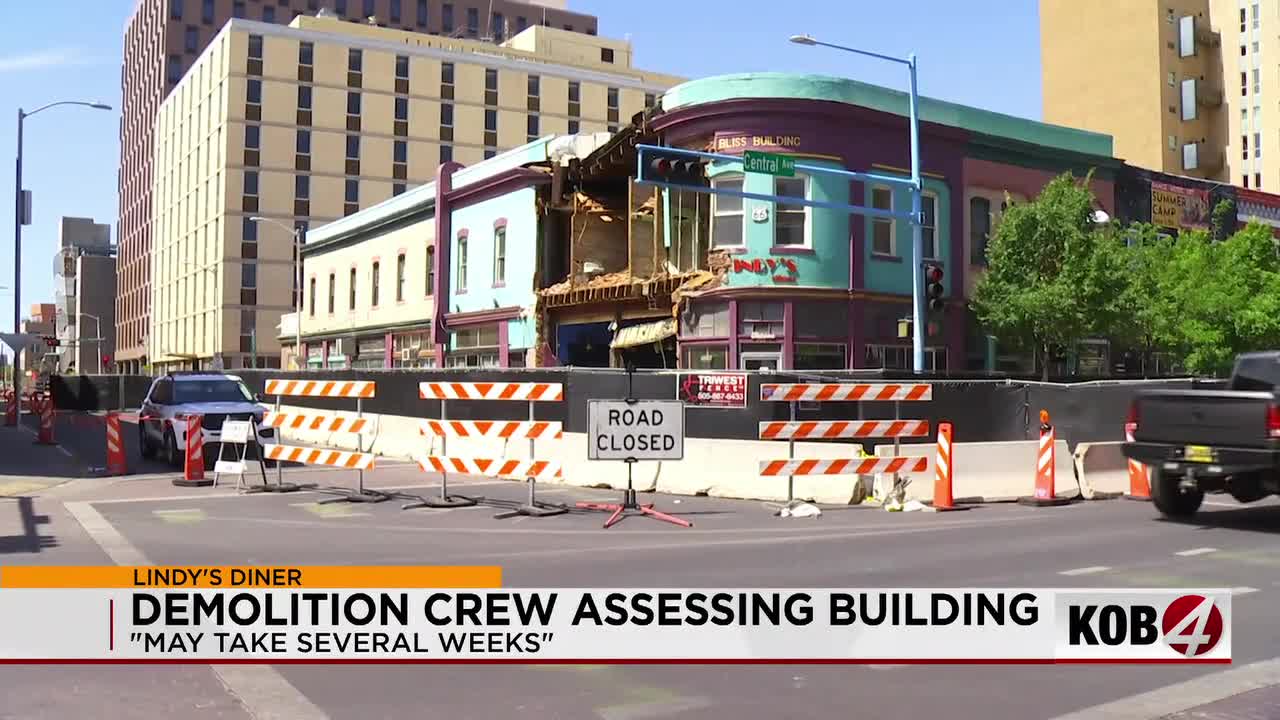
POLICY WIRE — Albuquerque, N.M. — The collective memory of a city, much like its older buildings, often crumbles not with a bang, but with a weary, drawn-out sigh. Lindy’s Diner, a downtown Albuquerque fixture that survived decades of boom and bust, fell to a partial collapse over a month ago. Now, its final act isn’t a quick, decisive curtain drop, but a ponderous, almost mournful, demolition—a process city officials warn could drag on for weeks, possibly months. They’re calling it a “slow and methodical disassembly.” It sounds more like an autopsy of an institution than a standard teardown, doesn’t it?
It’s a peculiar tableau: a once-vibrant spot, where generations snagged a patty melt or a stack of pancakes, now stands as a crumbling reminder of urban impermanence. And the city’s response? Well, it’s not exactly lightning fast. It took weeks just to secure the demolition permit for the weary structure nestled at Central — and 5th. This ain’t your everyday residential gut-job, they’ll tell you.
The company tapped for the unenviable task, Guzman Construction Solutions, isn’t rushing anything. They’re in the initial assessment phase, a careful choreography of engineering and caution around a building that’s essentially decided it’s done. But that means more hassle for everyone else. Think of it: a prime intersection remains partially choked off, impacting businesses that already operate on thin margins. It’s an inconvenience, certainly. It’s also an unavoidable, drawn-out goodbye.
City Manager Alan Finch, often the face of bureaucratic pragmatism, articulated the challenge with a blend of resignation and resolve. “This isn’t just about knocking down bricks; it’s about doing it right, minimizing disruption, and ensuring safety for everyone involved,” Finch stated during a recent, somewhat somber, press briefing. “It’s a precise, calculated effort to dismantle a potentially unstable structure without further incident. We’re taking our time because we have to, simple as that.” His tone implied less a triumph of foresight and more a grudging concession to reality.
The pace speaks volumes about the challenges urban centers face in dealing with their aging infrastructure, especially when history and liability collide. Councilwoman Elena Rodriguez, a long-time advocate for local preservation efforts, lamented the diner’s fate, acknowledging the difficult position the city finds itself in. “You hate to see these old places go. They’re a piece of the city’s soul, really. But when they become a public safety hazard, we’re stuck, aren’t we? It’s a sad state of affairs,” Rodriguez confided to this reporter, her voice tinged with a detectable sense of helplessness. It’s a scenario that echoes far beyond the New Mexican desert. From the ancient souks of Aleppo to the haphazard growth of Karachi, managing the delicate balance between urban decay and heritage conservation often gets snarled in governmental red tape and economic constraints.
Because let’s be honest, getting things done quickly when the stakes are high, and the layers of approval are numerous, feels like moving mountains with a teaspoon. According to a 2022 report by the Institute for Urban Infrastructure, properties older than 75 years, like Lindy’s, are four times more likely to experience structural issues leading to collapse than newer constructions. This isn’t just about an old diner; it’s a symptom of a larger, systemic challenge. And the cost? Always higher than you’d think. It always is.
As the demolition crew begins its painstaking work—which, by the way, they expect to change and adapt as they proceed—you can’t help but ponder the transient nature of things. How quickly a collapse, how agonizingly slow a goodbye. One minute, you’ve got a diner serving up memories. The next, it’s a controlled deconstruction site, an empty space waiting for the next chapter. If only every story ended neatly.
What This Means
This drawn-out demise of Lindy’s Diner is more than a local curio; it’s a stark encapsulation of political and economic forces at play in many American cities. First, it highlights the often-glacial pace of urban planning and emergency response, particularly when bureaucracy intercedes. For a critical piece of downtown infrastructure, a month-plus delay to even begin dismantling raises eyebrows, not least because of its impact on local commerce. Road closures aren’t just inconvenient; they’re potential nails in the coffin for businesses already struggling in a post-pandemic landscape. Small business owners rely on foot traffic — and accessibility; prolonged disruption hits their bottom line hard. You could almost feel the pain radiate from the local shop owners.
Second, this situation reveals the complexities of historic preservation versus public safety. Lindy’s, while perhaps not an architectural marvel, held a strong nostalgic value. Deciding when to let go, when to simply tear down rather than attempt to save, is an emotional and economic tightrope walk for city councils. It’s also an indicator of broader infrastructural health; old buildings falling down aren’t isolated incidents. They signal systemic neglect — and the immense financial burden of maintaining urban fabric. We’ve seen similar quandaries in discussions around the cost of public infrastructure projects, where penny-pinching now often means bigger bills later. Ultimately, Lindy’s protracted exit is a cautionary tale: act slow, pay big, and lose a bit of the city’s soul in the process.