

South African Dreams Turn to Dust for Mozambicans as Xenophobia Flares
POLICY WIRE — Maputo, Mozambique — The promise of South Africa, once a gleaming lure for millions across the continent, feels pretty thin for the families now mourning five of their own. They...

POLICY WIRE — Maputo, Mozambique — The promise of South Africa, once a gleaming lure for millions across the continent, feels pretty thin for the families now mourning five of their own. They weren’t killed by criminals in a typical township shakedown. No, they died, per Maputo officials, victims of anti-immigrant aggression, their lives snuffed out in a grim testament to the volatile underbelly of economic migration.
It’s not just a statistic, is it? It’s five individual sagas—journeys embarked upon with hope, likely promises sent back home, and then, brutally, irrevocably, cut short. These recent fatalities aren’t new in their savagery, but they hit Mozambique particularly hard. We’re talking about neighbor killing neighbor here, two nations that ought to share more than just a border, considering their intertwined histories. [QUOTE_PLACEHOLDER]
For decades, South Africa has been the economic engine of Southern Africa. Folks flocked there, seeking jobs unavailable in their poorer homelands. And who can blame them? You want to feed your kids, right? So, Mozambique’s workers, many undocumented, others legal but still vulnerable, built lives, sent back precious remittances. It’s a well-trodden path, much like the one Pakistan’s vast diaspora charts toward the Gulf states or Europe—a ceaseless human flow driven by desperation and the enduring magnetism of perceived opportunity. This ain’t unique to Southern Africa, or to any one creed for that matter; it’s a worldwide constant. In South Asia, too, the political economy of migration is fiercely debated, often violently, between countries like Bangladesh and India, with millions crossing porous borders for work.
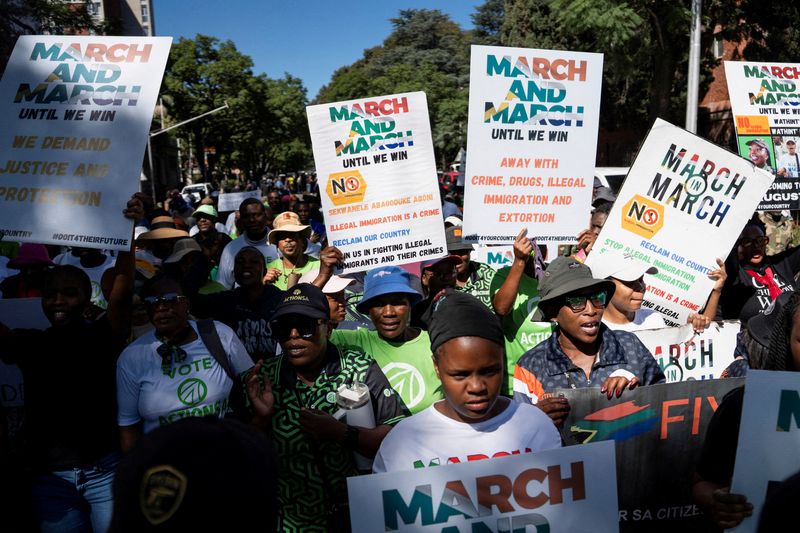
But the South African dream—it’s become a recurring nightmare for many. Periods of economic stagnation, coupled with chronic high unemployment among its own populace, invariably lead to finger-pointing. Immigrants, particularly those from other African nations, often find themselves the easiest, most convenient scapegoats. It’s a sad, familiar tune, isn’t it? You can almost set your watch by it. There’s plenty of rhetoric about pan-African solidarity, but when the bread is scarce, solidarity apparently gets shelved pretty quickly. The irony—a nation that threw off the shackles of apartheid now grappling with homegrown xenophobia—is something observers constantly scratch their heads about.
Mozambique’s Foreign Ministry did what governments do: they put out a statement, confirming the deaths. They’ve also engaged South African authorities, presumably to ask them to, you know, actually protect foreigners. But let’s be real, statements don’t bring people back. And they don’t solve the underlying anger brewing in economically frustrated communities.
The scale of this issue? The International Organization for Migration (IOM) reported in 2021 that over 2.2 million international migrants reside in South Africa, with a significant portion from neighboring states like Mozambique, Zimbabwe, and Lesotho. And that’s just the official count. Imagine the unofficial figures. It’s a massive pressure cooker, plain — and simple.
📄 POLICY WIRE WHITEPAPER PUBLISHED: PAKISTAN'S NATIONAL SECURITY POLICY PRIORITIES
👉 READ BY CLICKING HEREYou can trace the roots of these flare-ups to very real, very ugly unemployment figures in South Africa—consistently hovering among the highest globally, exceeding 30% for the general population and often twice that for youth. When people are hungry, when opportunities vanish, the urge to find an easy target for blame, for their dwindling piece of the pie, is a powerful, dangerous force. But scapegoating migrants, who often take on jobs South Africans won’t do or can’t access, solves precisely nothing in the long run. It just causes grief, sows regional discord, — and tarnishes a nation’s reputation. Nobody wins here.
What This Means
These recent deaths aren’t just a localized tragedy; they’re a fresh fracture in Southern Africa’s fragile geopolitical landscape. For Mozambique, it’s a stinging indictment of their wealthier neighbor’s inability—or perhaps, unwillingness—to secure the safety of its citizens abroad. Maputo will now face internal pressure to provide robust protection or alternatives for its workers, but its economic leverage over Pretoria isn’t exactly commanding.
And for South Africa, every fresh wave of xenophobic violence deepens its reputational crisis as the continent’s supposed leader. It’s hard to be a moral authority when your own streets are aflame with prejudice. It also puts a chill on foreign investment—who wants to sink capital into a volatile society? Then there’s the broader regional integration project. Bodies like SADC (Southern African Development Community) talk a good game about unity — and free movement. But then incidents like this come along, — and it makes all that talk seem like just so much hot air, doesn’t it?
Economically, remittances from workers in South Africa are a crucial lifeline for many Mozambican families. Continued xenophobia risks disrupting this flow, potentially pushing more households back into extreme poverty and creating internal stability risks for Maputo. Because when economic ties fray under such violent conditions, the diplomatic fallout inevitably gets rougher. It doesn’t just stay at home. These events ripple, you see, distorting perceptions and fueling further anti-immigrant sentiment elsewhere in the world—a grim echo of what America’s moral compass often wrestles with regarding its own borders. It forces us to ask: Is the continent building a common future, or just reinforcing old colonial boundaries with new walls of resentment?