
From Dust to Deluge: New Mexico’s Torrential Cycle and the Silent Costs
POLICY WIRE — ALBUQUERQUE, N.M. — It wasn’t the slow, steady drip many communities longed for, but a sudden, violent churn that painted New Mexico’s parched landscapes with temporary —...

POLICY WIRE — ALBUQUERQUE, N.M. — It wasn’t the slow, steady drip many communities longed for, but a sudden, violent churn that painted New Mexico’s parched landscapes with temporary — and often destructive — reprieve. For a state accustomed to endless sun and whispers of dust, Wednesday brought a brutal reminder that the desert’s character isn’t just dry; it’s also profoundly unpredictable. What looked on paper like a simple rain event for central and eastern New Mexico was, in fact, a stark spotlight on a familiar, increasingly harsh drama playing out across arid lands worldwide.
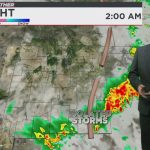
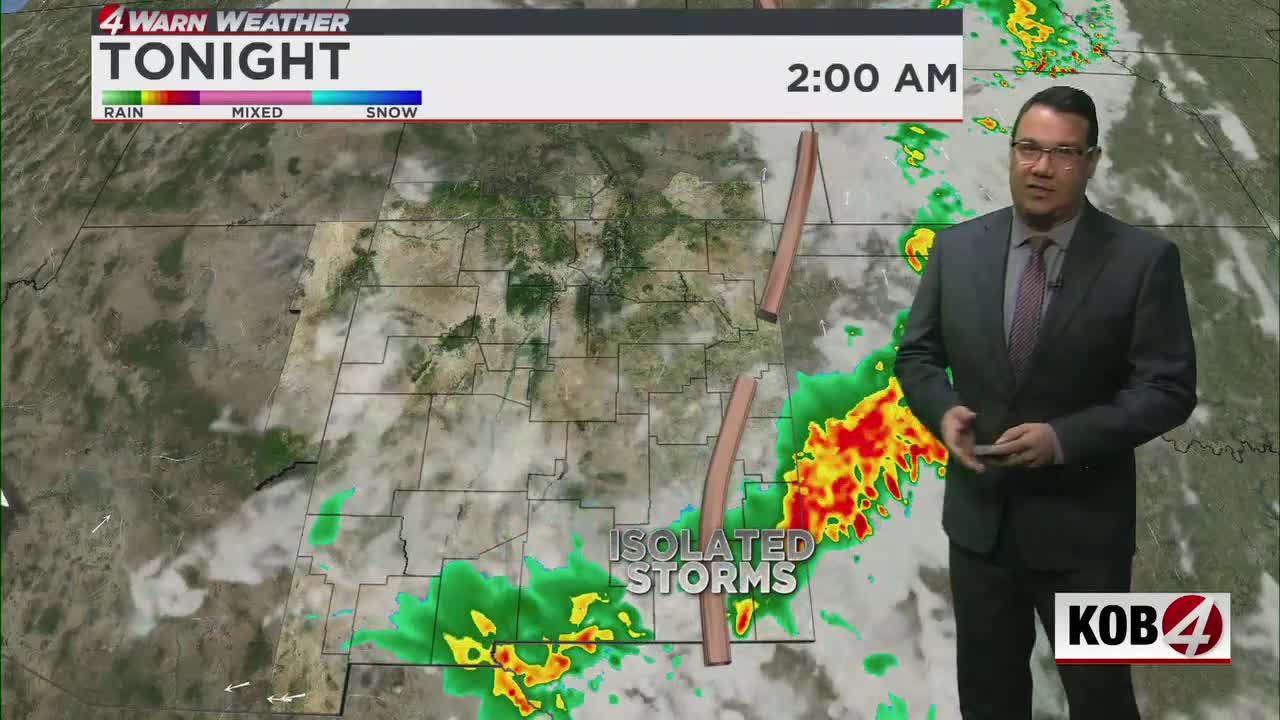
Localized deluges dumped between one and three inches of rain across parts of Chaves, Roosevelt, Curry, and Quay counties in mere hours. That’s a good chunk of the annual average in many spots, but delivered with the subtle finesse of a sledgehammer. And the state’s meteorologists, a harried bunch these days, weren’t mincing words about what that means for a landscape already battered. Storms, slow-moving as they were, presented more than a minor inconvenience; they presented an annual reckoning. Think of it: just a short while ago, we were talking about fires. Now? It’s flash floods over those same scorched scars.
“We’re past the point of just ‘managing’ weather anymore; this is about adapting to a new normal that swings wildly between extremes,” stated Janet Robles, Deputy Director for the New Mexico Department of Emergency Management, her voice carrying the weariness of too many long nights. “You don’t just ‘weather the storm’ when the very land underneath you has been stripped bare by fire a few weeks prior. It’s a double whammy, really.
Because that interplay between fire — and water, the swift burn-scar run-off, it’s proving particularly hazardous. Folks in places like Roswell, Artesia, and Clovis were watching rain gauges fill up rapidly, their infrastructure often designed for scarcity, not sudden abundance. It’s a bit like handing a sprinter a deep-sea diving suit — and expecting them to win a marathon, isn’t it?
Forecasters pointed to relatively shallow moisture in the atmosphere, creating a mix of wet and dry thunderstorms farther west — those frightening ‘dust devils with lightning’ kind of storms. But the real gnawing concern remained the eastern flanks: the relentless downpours over the central mountain chain and places like Ruidoso, Capitan, and Carrizozo, communities particularly susceptible after wildfires leave the soil unable to absorb sudden onslaughts. According to federal data compiled by the National Weather Service, flash flood events across arid and semi-arid regions of the U.S. have increased by over 15% in the last decade alone, an alarming trend mirroring similar struggles across the globe.
Even Albuquerque, that sprawling hub, wasn’t immune, nervously eyeing outflow boundaries that could shove heavy rain into its metropolitan sprawl. But by Thursday, things would calm, a high-pressure ridge pushing in, teasing some drier air. A fleeting moment of calm before the next atmospheric drama, no doubt. The dry-out wouldn’t last forever, you see, this is just how it works now. But it isn’t just about New Mexico’s local forecast anymore; it’s part of a global pattern that policy wonks and humanitarian organizations watch with increasing anxiety.
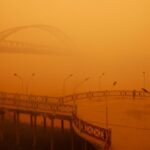
This oscillation between searing drought — and sudden, devastating downpour isn’t unique to the American Southwest. It’s a script playing out, with tragic regularity, across much of South Asia — and parts of the Muslim world. Pakistan, for instance, a nation grappling with its own complex set of challenges, frequently experiences the same extreme hydrological whiplash, where weeks of desperate thirst are broken by monsoons so ferocious they inundate entire provinces. Their rural infrastructure, much like New Mexico’s more isolated towns, often can’t handle the strain, leading to devastating agricultural losses and displaced populations. We’re seeing similar vulnerability here, just on a different scale, perhaps. It’s all about resource allocation, isn’t it?
“Our state budget—it’s stretched thin enough as it’s without constantly paying for disaster relief and infrastructure repairs that should have been long-term resilience projects,” grumbled State Senator Rafael Delgado, a veteran lawmaker from a rural district hit hard by both fires and floods. “We’ve got to invest in a smart grid, in sustainable water management, and in preparing communities for the next curveball. Complacency isn’t just dangerous; it’s fiscal malpractice.” He’s not wrong. Because ignoring it isn’t going to make it disappear.
What This Means
This cycle of burn-and-deluge isn’t just an inconvenience; it’s a profound systemic challenge with escalating economic and political ramifications. For New Mexico, a state with significant rural populations and limited public resources, it translates into escalating infrastructure costs—roads washing out, culverts collapsing, vital water systems overwhelmed or contaminated. Local economies, heavily reliant on agriculture — and tourism, take repeated body blows. Ranchers watch grazing land turn to mud pits; outdoor recreation businesses see their seasons truncated. The political calculus becomes messy, too: Do you pour scarce funds into immediate disaster response, or commit to the far more expensive, long-term climate adaptation strategies that could prevent future crises? It’s not an either/or, but that’s often how it’s presented in budget hearings.
The human cost, while harder to quantify, includes health impacts from contaminated water, displacement, and the insidious stress of constant threat. For the state, it’s about maintaining a viable economy and keeping its citizens safe, something that requires a foresight often lacking in annual legislative sessions. Policy decisions made today, or not made, regarding water rights, land use planning, and emergency preparedness aren’t just about weather; they’re about the very habitability and prosperity of the region. The question isn’t if the next storm comes, but whether the state is finally ready to deal with its increasingly volatile temper tantrums.