

Nigeria’s Ghost Schools: Women, Ambition, and a Nation’s Unseen Cost
POLICY WIRE — Abuja, Nigeria — There’s a particular kind of stubborn hope that blooms in the toughest soils. You don’t see it on the evening news or hear it shouted from a soapbox. It’s...

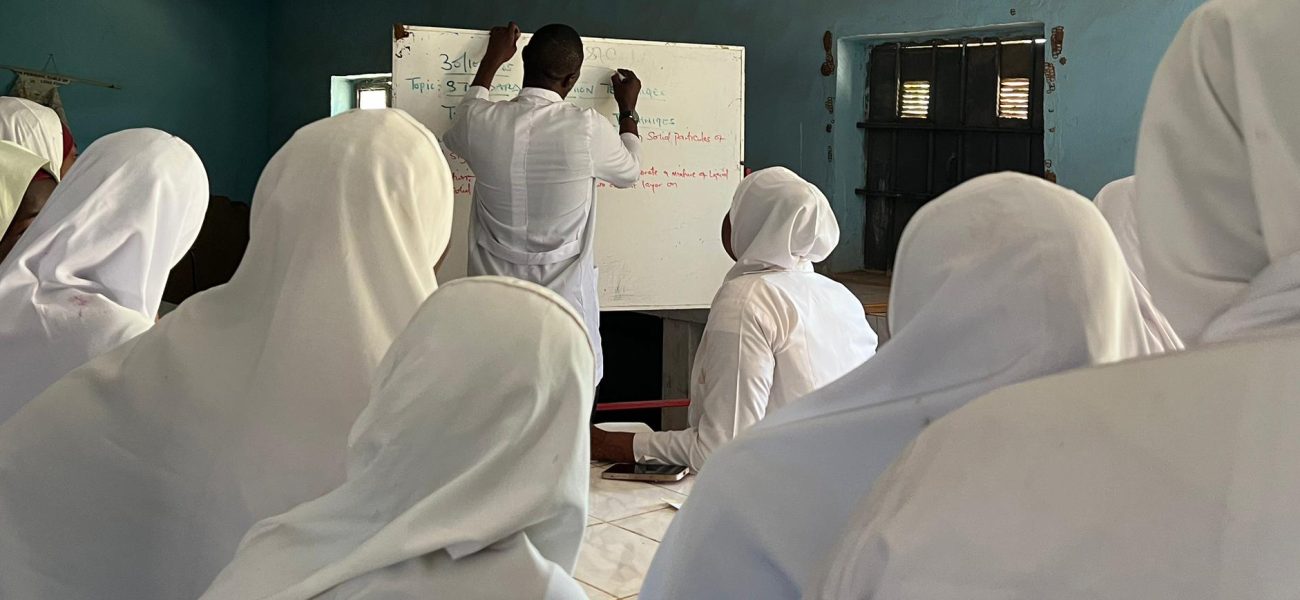
POLICY WIRE — Abuja, Nigeria — There’s a particular kind of stubborn hope that blooms in the toughest soils. You don’t see it on the evening news or hear it shouted from a soapbox. It’s often tucked away in dusty classrooms across Nigeria, where women – some young, some old enough to be grandmothers – etch out an education, often against incredible odds. And this isn’t just about gaining a diploma; it’s a quiet, fierce fight for dignity, a wager on a future that’s always been told it isn’t theirs.
It’s not some grand philanthropic gesture drawing headlines. No. This is about women who, having been nudged or shoved off the conventional academic path, are carving out a comeback. Sometimes it’s the pressure of early marriage; other times, poverty yanks them from desks to domesticity. But these ‘second-chance schools’ — they’re unofficial lifelines, gritty little bastions where calculus meets childcare and economic theory butts up against the very real hunger pangs of life. [QUOTE_PLACEHOLDER]
The state of affairs? It’s often bleak. Consider that globally, a staggering 66% of illiterate adults are women, a statistic underscored by a 2022 UNESCO report on education disparities. And Nigeria, for all its oil wealth, isn’t exactly bucking that trend. These institutions, mostly community-run or privately funded on shoestring budgets, aim to re-engage women who missed their first, often their only, shot. You find mothers studying alongside their children, women sacrificing their few hours of rest after a long day of hawking wares or tending farms. They’re not just reading textbooks, are they? They’re rewriting personal narratives, one agonizing assignment at a time. The sheer stamina required is mind-boggling.
But the official narrative seldom recognizes this quiet rebellion. Government statistics, bless their dry hearts, often paint a picture of improving enrollment without adequately distinguishing between various educational tiers or, for that matter, acknowledging the deep chasm between registration and actual retention, especially for adult learners juggling survival and study. Because for many, ‘survival’ isn’t a metaphor—it’s a daily battle for food, for safety, for a place to simply lay their head.
And when we talk about resilience, you don’t have to look far to see parallels in the broader Muslim world, in countries like Pakistan. Here, too, women face cultural — and economic headwinds that often dictate their access to education. Programs promoting female literacy and skill development, much like in Nigeria, contend with societal expectations, resource scarcity, and sometimes outright opposition. The women aren’t just fighting an abstract system; they’re wrestling with ingrained norms and immediate household demands, aren’t they?
This whole ‘second-chance’ dynamic, it points to a wider, systemic failure. Why do so many women need a second chance in the first place? It’s rarely a matter of choice. It’s about inadequate primary education systems, deeply entrenched gender biases, and socio-economic pressures that prioritize male education or immediate income generation. You know, these schools, they’re not just an opportunity; they’re a damning indictment. An uncomfortable truth about opportunities forgone — and potential wasted. They don’t want charity; they want parity.
📄 POLICY WIRE WHITEPAPER PUBLISHED: PAKISTAN'S NATIONAL SECURITY POLICY PRIORITIES
👉 READ BY CLICKING HEREWhat’s more, there’s an unspoken toll. Women enrolling in these programs often face skepticism from within their own communities. Sometimes, even from their own families. Their ambition, so often lauded in male counterparts, becomes an ‘unnecessary distraction,’ a ‘waste of time’ when there’s income to be earned or children to be raised. And these women, they persevere anyway. They show up, exhausted but determined. But what happens if we ignore these desperate cries for knowledge?
But there’s a flicker of defiance. A kind of stubborn refusal to be forgotten or written off. The enrollment numbers might not be tracking gold medal victories, but each woman completing a course, each mother learning to read a bus schedule or decipher a price tag, is a quiet win against systemic inertia. And those wins, small as they seem, are potent.
What This Means
This isn’t merely a feel-good story about triumph over adversity; it’s an urgent call to examine how societies undervalue female education. Politically, a population with a more educated female demographic tends to have stronger civic engagement, improved public health outcomes, and greater political stability. Economically, these ‘second-chance’ efforts represent untapped potential. Denying women equitable access to education stifles national productivity. The lost wages, the stifled entrepreneurship, the reduced innovation—it all adds up to a colossal, unseen drain on the national GDP. We’re talking about potentially billions of dollars in lost economic output for countries like Nigeria or neighboring nations grappling with similar educational hurdles. Beyond the immediate struggle, this signals a need for comprehensive policy shifts: not just more schools, but schools integrated with robust childcare, flexible scheduling, and financial aid that acknowledges the dual burden many women carry. Without such foundational changes, these ‘second-chance’ initiatives, while heroic, will remain symptoms of a deeper ailment rather than a cure.