


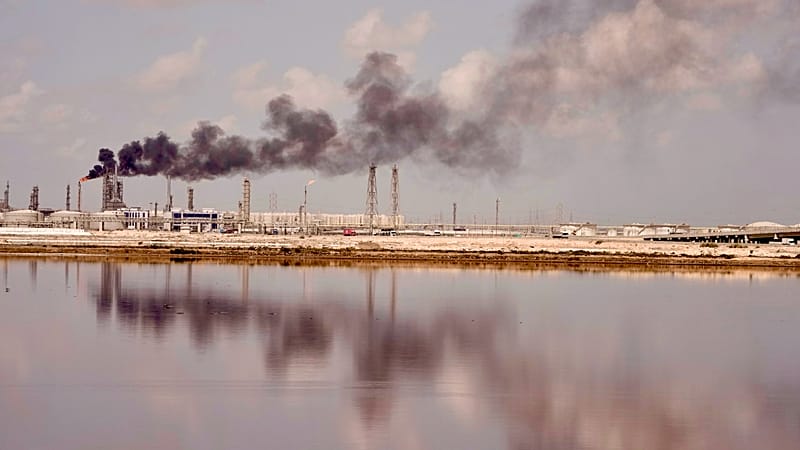
Cairo’s Energy Paradox: Billions Below, Blackouts Above
POLICY WIRE — Cairo, Egypt — The rhythmic drone of a generator, that all-too-familiar mechanical groan, has become Egypt’s unofficial national anthem. It kicks in just as the electricity blips...

POLICY WIRE — Cairo, Egypt — The rhythmic drone of a generator, that all-too-familiar mechanical groan, has become Egypt’s unofficial national anthem. It kicks in just as the electricity blips out—an hourly, daily reminder that even with massive natural gas fields emerging from the Mediterranean seabed, the simple luxury of a consistent power supply remains elusive for millions of Egyptians. You’d think with all this geological largesse, the lights would stay on. But you’d be wrong. And it’s a hell of a bind for a nation that envisions itself as a regional energy titan.
It’s not just a minor inconvenience; it’s a chronic headache, disrupting everything from small businesses trying to keep their refrigerators running to families simply wanting to cook a meal. Summer heat makes it brutal, a cruel joke when the very fuel for cooling sits untouched, or rather, ear-marked for elsewhere, beneath their feet. This year has been particularly generous for exploration outfits, yielding significant finds that most nations would kill for. One such find, Nargis, reportedly holds some [QUOTE_PLACEHOLDER] trillion cubic feet of gas, a discovery announced just last year. But these headlines, usually trumpeting economic triumph, land with a muted thud when local factories can’t guarantee their production schedules and families dread dusk.
There’s a fundamental disconnect here, a gaping chasm between promise — and reality. How does a country literally floating on gas struggle to power its own homes — and industries? It’s like finding a treasure chest but not having the key—or, perhaps more accurately, having the key but preferring to sell it for foreign currency. The government, keen on alleviating its severe financial strain and boosting exports, appears to be prioritizing foreign earnings from its liquid natural gas (LNG) shipments. They’re selling off the very stuff that could stabilize their own grid, and it leaves folks wondering about the long-term plan.
Because, let’s be honest, hard currency is tempting. Especially when the national coffers are stretched tighter than a drum. The Egyptian pound has taken a beating lately, and securing dollar reserves is practically an obsession for policymakers. Every cubic meter exported is a dollar earned, a vital inflow that helps cover import bills and service a hefty national debt. This economic logic is understandable on paper. But it comes at a visible, immediate cost to the populace. And citizens, who are asked to tighten their belts consistently, get precious little respite.
This isn’t an isolated phenomenon in the broader Muslim world, by the way. Look across the map. Pakistan, for instance, a nation often grappling with its own energy crises, sees its populace subjected to lengthy power outages and surging electricity tariffs even as it has significant, albeit diminishing, indigenous gas resources. The dynamics differ, of course – Pakistan’s issue leans more into gas depletion and infrastructure; Egypt’s into prioritization and economic models – but the shared thread is the citizen, often of modest means, bearing the brunt of complex policy decisions and resource management shortcomings. They’re both trying to figure out how to keep the lights on and the wheels turning when the underlying mechanisms are deeply flawed or fundamentally skewed towards other, seemingly more pressing, concerns.
So, the cycle continues. New fields are announced with great fanfare—each one a headline proclaiming energy security and economic prosperity. Yet, on the ground, homes remain dark — and businesses lose productivity. The irony isn’t lost on anyone navigating these daily disruptions. Data from the World Bank indicates that in 2022, approximately 99.8% of Egypt’s population had access to electricity. While high on paper, this statistic doesn’t capture the *quality* or *consistency* of that access, a distinction sharply felt when the grid inevitably flickers out.
📄 POLICY WIRE WHITEPAPER PUBLISHED: PAKISTAN'S NATIONAL SECURITY POLICY PRIORITIES
👉 READ BY CLICKING HEREThe strategic shift towards natural gas exports certainly props up Egypt’s balance sheet. It’s helping pay the bills. But neglecting the foundational need for domestic energy stability—powering homes, small industries, vital infrastructure—feels like a high-stakes gamble. It threatens to erode public trust — and destabilize the very societal fabric it seeks to serve. The long-term consequences of prioritizing foreign currency over everyday reliability could be more disruptive than any energy shortage itself.
What This Means
This Egyptian energy paradox speaks volumes about the delicate tightrope act resource-rich developing nations must walk. Economically, prioritizing gas exports offers a short-term lifeline, pumping much-needed foreign exchange into the treasury to tackle national debt and manage currency pressures. But this economic logic, when applied too aggressively, sparks profound political — and social implications domestically. Citizens facing persistent power cuts, despite abundant natural resources, quickly lose faith in governance.
Politically, it feeds narratives of government detachment — and potentially, misallocation of national wealth. In a region prone to public discontent, such visible shortcomings can brew serious instability. Geopolitically, while Egypt asserts its position as an energy exporter, its domestic struggles underscore a broader vulnerability shared by many countries—even those with rich endowments—who haven’t mastered the complex art of converting raw wealth into stable national welfare. This dynamic is a potent reminder of the challenges confronting states striving for modernization in an unforgiving global economy, especially across South Asia and the broader developing world where similar pressures on critical services like healthcare can also lead to heartbreaking outcomes.
The imperative now is to find a more equitable balance: enough exports to stabilize the national finances, but also enough domestic allocation and infrastructure investment to ensure reliable power for its people. Otherwise, the glint of distant gas discoveries will continue to be overshadowed by the frustrating, infuriating darkness right at home. It’s a bitter pill to swallow when you’re told you’re sitting on a goldmine, but can’t keep your own lights on.