


Ashes in Affluence: Europe’s Leisure Spots Reveal Deeper Strains, Spain Grapples with Unseen Costs
POLICY WIRE — Paris, France — The gilded gates of Fontainebleau, normally welcoming history buffs and weekend escapists, spewed not awe this week, but plumes of acrid smoke. It wasn’t the kind...

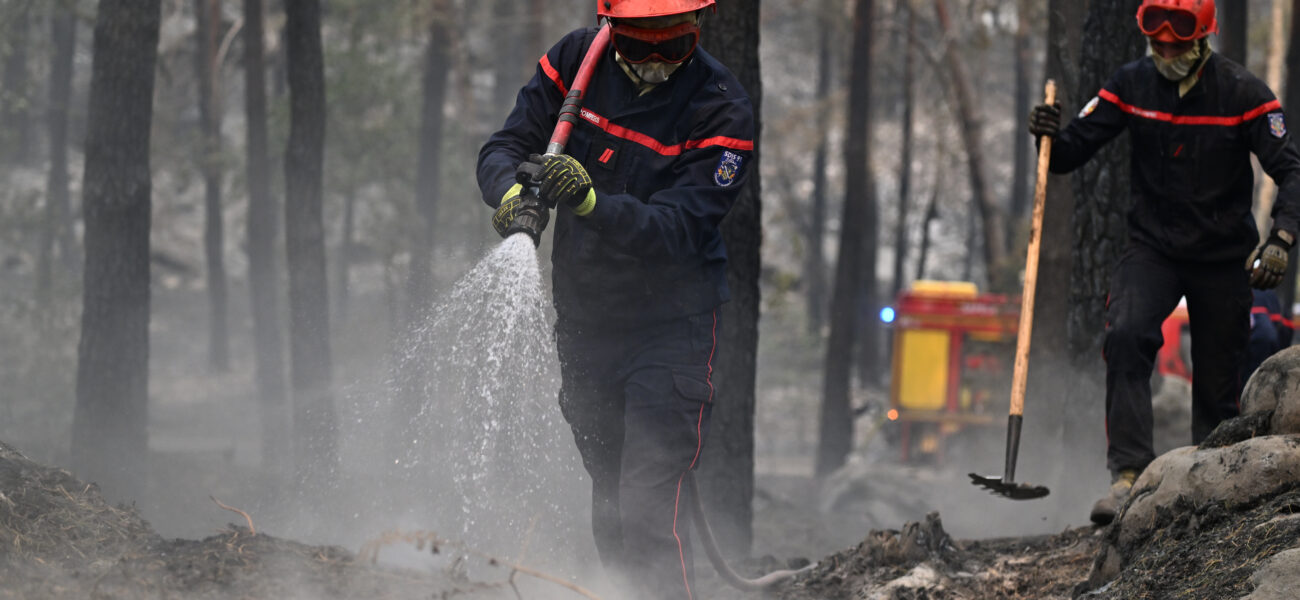
POLICY WIRE — Paris, France — The gilded gates of Fontainebleau, normally welcoming history buffs and weekend escapists, spewed not awe this week, but plumes of acrid smoke. It wasn’t the kind of spectacle anyone had booked. Hundreds — a good thousand, by official counts—suddenly found themselves herded out, their holiday interrupted, their pleasant French interlude violently curtailed. But the unfolding drama didn’t end with a swift dousing in a historic Parisian suburb; no, the grimmer, bureaucratic realities quickly bled across borders, exposing a quiet, systemic strain beneath Europe’s polished surface.
Emergency crews, nimble as ever, contained what authorities describe as a ‘significant blaze’ near the famed Château de Fontainebleau, disrupting peace for scores of international tourists and local residents alike. It’s a quick story, usually—fire out, people safe. Except this time, the narrative fractured, pulling in other nations, other tragedies. Because as the smoke cleared over France, the consequences, the really unpleasant ones, were starting to surface hundreds of miles away, on the Spanish coast. We’re talking victim identification; the painstaking, forensic accounting that invariably follows these disruptions, whether they be grand infernos or smaller, tragic mishaps.
Spain, meanwhile, found itself dealing with its own unfolding catastrophe – an unconnected one, at first glance, but connected by the thread of human fragility and transnational impact. They’re sifting through the debris of another incident, trying to put names to faces, lives to fragmented possessions. The grim task falls to officials navigating layers of national — and international protocols. “Identifying victims isn’t just a matter of matching fingerprints anymore,” explained a spokesperson for the Spanish National Police’s Forensic Unit, who requested anonymity due to the ongoing investigation. “It’s often a complex dance involving multiple consulates, disparate dental records, and the agonizing wait of families halfway across the world.” This sort of cross-border procedural pain has become almost routine for European authorities, yet it’s rarely spotlighted.
And it’s a sobering thought, really: how quickly a quaint European getaway can morph into a continental challenge. But, don’t forget the sheer diversity of visitors Europe attracts. Among those caught in the Fontainbleau chaos, and undoubtedly among the unfortunate victims being identified in Spain, are individuals from a broad spectrum of backgrounds, many with delicate connections to countries far from the Mediterranean. We’ve heard whispers, unsubstantiated officially as yet, of South Asian tourists and migrant workers potentially caught up in various incidents across the continent recently. The bureaucratic hurdles for families in, say, Pakistan or Bangladesh, to get real-time information or make travel arrangements for recovery or identification, they’re immense. Their diplomats are often scrambling to get updates, sometimes struggling with limited resources. It isn’t just about French or Spanish citizens anymore; it hasn’t been for a very long time.
“We responded with commendable speed, containing the immediate danger and ensuring civilian safety,” remarked Jean-Luc Dubois, an Interior Ministry aide for emergency preparedness in France, a hint of practiced exhaustion in his voice. “But the ripple effects – for tourism, for international relations, for those affected families – they’re longer, more profound, and honestly, often beyond what initial response teams can ever address.” It’s a systemic problem, this. Europe’s infrastructure for rapid response is, by most metrics, robust. Yet, it strains when confronted by the sheer volume of international travelers and their respective bureaucratic aftermaths. For instance, according to Eurostat data from 2022, foreign residents accounted for over 25% of annual fire-related fatalities in major EU tourist regions, underscoring the broad human impact of these events.
📄 POLICY WIRE WHITEPAPER PUBLISHED: PAKISTAN'S NATIONAL SECURITY POLICY PRIORITIES
👉 READ BY CLICKING HEREWhat This Means
This pair of incidents, seemingly disparate but both highlighting the delicate state of European normalcy, doesn’t just disrupt vacation plans; it lays bare deeper fractures in continental resilience and cross-border cooperation. Economically, while a localized fire like Fontainebleau’s might seem negligible, collectively, such events can erode tourist confidence. Imagine if a few more significant incidents were to strike prominent European destinations in quick succession—you’d start seeing travelers rethink their itineraries, opting for less ‘eventful’ locales. And that hits directly at local businesses, those mom-and-pop operations counting on summer francs or euros. Politically, the emphasis inevitably shifts back to readiness. Nations trumpet their emergency services’ prowess, but the slow, often quiet, agony of international victim identification, of tracing lives across legal and linguistic divides, points to an area perpetually under-resourced, or perhaps, simply beyond easy political fixes. It shows we’re pretty good at putting fires out, but we’re less adept at neatly stitching lives back together when the ash has settled.
for countries with large diaspora populations, such as Pakistan, which sends millions of its citizens abroad annually, even routine emergencies in European tourism hubs can escalate into significant diplomatic concerns. Consular services often face immense pressure to assist families in situations like these, particularly when dealing with undocumented workers or individuals traveling on non-standard visas. It’s a sobering reminder that a burning building in a picturesque French town can cast a long, administrative shadow all the way to Islamabad, prompting calls for improved international communication protocols and support networks for citizens abroad—a system that’s currently feeling the squeeze.