


Pizza Proprietor’s Predicament: A Slice of Small Business Instability in the American Southwest
POLICY WIRE — Albuquerque, United States — It isn’t the shattered glass, nor the splintered wall, that truly stings. No, what sticks in the craw is the cynical, almost surgical precision of the...

POLICY WIRE — Albuquerque, United States — It isn’t the shattered glass, nor the splintered wall, that truly stings. No, what sticks in the craw is the cynical, almost surgical precision of the damage inflicted, not once, but twice within two short months. For Chuck Ruiz, the proprietor behind Richie B’s Pizza, this isn’t just about property. It’s about a relentless erosion of stability—a subtle yet biting reminder that even the most cherished American dreams come with an unlisted tax: the cost of enduring unwelcome intrusions, sometimes, repeatedly.
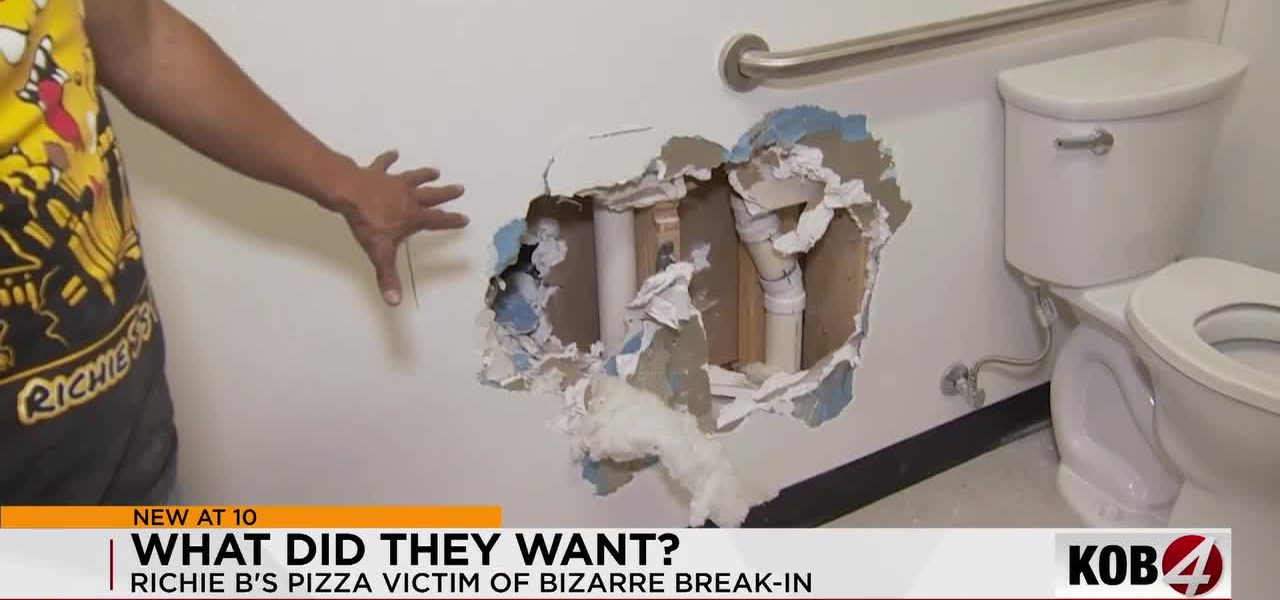
His new West Side location, barely settled, found itself a casualty for the second time in under 60 days. The initial disruption was bad enough, naturally. But waking up again to find the premises trashed on a recent Tuesday morning—a routine Ruiz likely never envisioned as part of his business plan—that’s a different kind of wound. He arrived to the familiar wreckage, a tableau of broken panes and torn plaster, a bleak testament to an escalating local challenge.
This isn’t your garden-variety smash-and-grab, either. Or at least, Ruiz doesn’t think so. The thieves, he explained, weren’t after his carefully curated recipes or his dough mixer. They grabbed a few decidedly peculiar items, ones that suggest either an extreme lack of discernment or a deeply ironic sense of humor: some Ninja Turtles figures—gifts from his loyal customer base, no less—and the shop’s telephone. That’s it. “It was shocking to see that, like, “Oh my goodness!”” Ruiz recounted later, a sentiment likely shared by many a small business owner watching their aspirations get chipped away.
But there’s a twist, an underlying current of ambition that didn’t involve his delectable pies. The bathroom, strangely enough, bore the brunt of significant damage. This particular detail suggested to Ruiz that his beloved pizzeria wasn’t even the prime objective. Instead, it appears the culprits were trying for an unscheduled expansion, a forced, back-alley connection to the adjoining retail space, DeNovo Market—a smoke shop, of course. “They were trying to get from here to the shop next door, and ended up breaking the toilet down on the other side,” he explained, laying bare the sheer audacity of the attempt.
Ruiz, like many small business folks who’ve invested every shred of their being, didn’t wallow. You don’t have the luxury. He went to social media, bypassing traditional channels, effectively rallying the digital cavalry. And they responded. A local glass company, seeing his plight on Facebook, offered to come straight away. “Somebody responded to my post on Facebook, and said that they are with a glass company, and they can come down right away to take a look at it,” Ruiz shared. It’s a narrative oft repeated: the local community stepping up where, perhaps, systemic solutions feel distant or slow. Meanwhile, customers can’t just phone in their orders now. No, they’ll have to go online until he can mend the phone line along with the wall.
It’s an American story, perhaps. But it’s also a deeply resonant echo of experiences elsewhere. From bustling markets in Karachi, Pakistan, where street vendors rebuild after an unexpected storm, to small business owners in crowded districts of Lahore—who similarly face security concerns and disruptions that threaten their modest gains—the resilience demonstrated by Ruiz is universally familiar. These aren’t just businesses; they’re often family legacies, hopes for future generations, hard-won footholds in increasingly precarious economies. These are often dreams. In fact, a recent report by the National Retail Federation found that retail shrink in 2022 accounted for $112.1 billion in losses, an increase from $93.9 billion in 2021—a trend that punishes establishments like Richie B’s.
Albuquerque police, who are actively investigating, haven’t confirmed Ruiz’s theory about the smoke shop being the true target. It’s a puzzle, no doubt, lost somewhere between a dream — and shattered reality. “Moving is a huge burden, extra costs like this not quite necessary, just makes it all the harder,” Ruiz remarked, capturing the quiet despair of entrepreneurs pushed to their limits.
But Ruiz remains steadfast. You see, the guy poured his heart into this place. It’s more than just a job; it’s a living monument to sheer, stubborn will. “This was my dream, you know, Richie B’s was a dream come true for me. Once you achieve that dream, it’s going to take a lot to take it away from there, and there’s no way we’re letting go,” he stated, his voice a declaration of defiant persistence. It’s the kind of gritty determination that’s not just local to Albuquerque, or indeed, the US, but it resonates with the enduring spirit of small business proprietors worldwide, facing everything from economic downturns to logistical nightmares—and yes, occasionally, peculiar midnight intruders.
What This Means
This incident, seemingly localized to a pizzeria in New Mexico, holds broader implications. It lays bare the delicate balance governing small businesses, often seen as the backbone of both local and national economies. For many, like Ruiz, their venture isn’t merely a profit machine; it’s an identity, a purpose. The repeated attacks, whether misguided or targeted, expose weaknesses in local security infrastructure and resource allocation, raising questions about municipal support for entrepreneurs. But the police are investigating. It isn’t a problem unique to the American southwest.
Economically, such occurrences drive up insurance premiums—if a small business can even afford adequate coverage—and divert critical operational funds towards repairs, directly impacting growth potential and job creation. This creates an adverse environment, potentially discouraging new businesses from setting roots in vulnerable areas. The story of resilience, with community members stepping up, offers a glint of hope. But this volunteerism shouldn’t absolve civic leadership of its responsibility to foster a truly secure business environment. The state, particularly in rapidly urbanizing regions, struggles to manage petty crime that can metastasize into broader destabilization.
From a global perspective, especially in the contexts of South Asia or the Muslim world, such challenges are unfortunately common. Consider the small businesses in bustling cities like Karachi or Cairo; they face everything from infrastructure failures to sporadic insecurity and administrative hurdles that add unexpected financial burdens. For migrant entrepreneurs, including those from Pakistan or Bangladesh striving to send remittances home, every setback, every unexpected cost like a broken window, can imperil the fragile economic lifelines supporting entire families. This pizza shop’s troubles, therefore, are not just about pizza. They’re about the precarious nature of entrepreneurial ambition in an unpredictable world, a microcosm of larger, systemic challenges in security, economic equity, and communal solidarity. It’s tough out there, — and folks like Ruiz are living that reality day in, day out.