

Red Sea ‘Gay Cruise’ Rebuffed by Two Nations: A Diplomatic Chill or Culture Clash?
POLICY WIRE — Cairo, Egypt — Sometimes, the placid blue waters of the Mediterranean and Red Sea conceal undercurrents far more turbulent than any storm system. A luxury cruise liner, packed with...

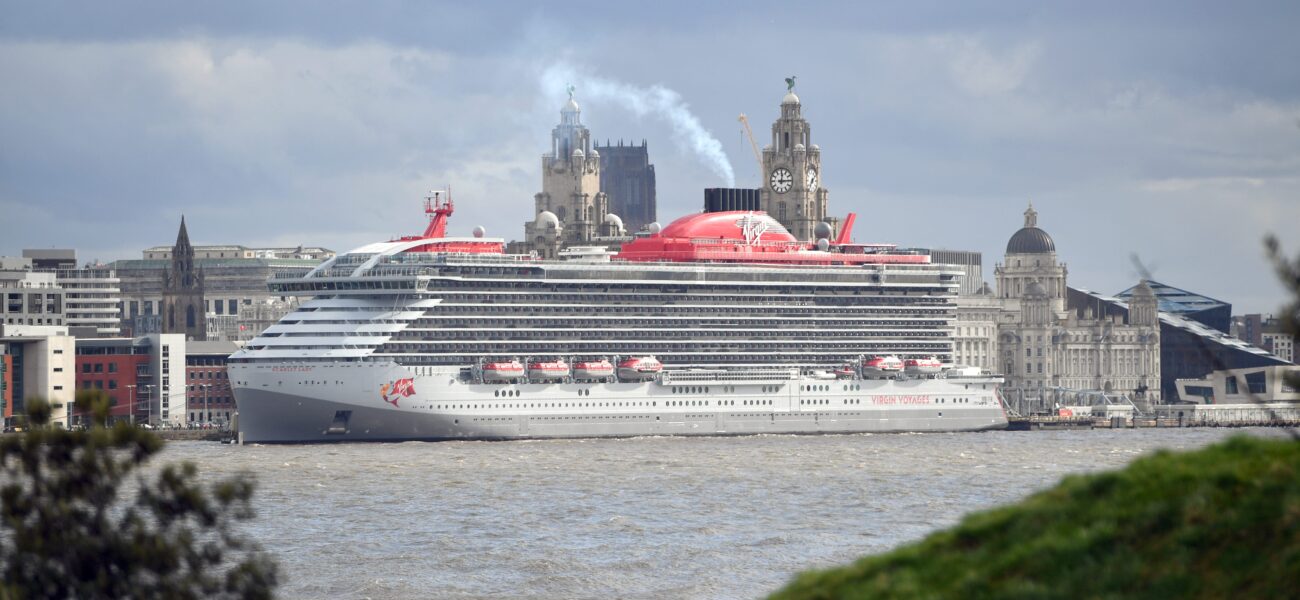
POLICY WIRE — Cairo, Egypt — Sometimes, the placid blue waters of the Mediterranean and Red Sea conceal undercurrents far more turbulent than any storm system. A luxury cruise liner, packed with vacationers seeking leisure and camaraderie, discovered this the hard way, not from rogue waves, but from unwavering government directives. This wasn’t just a travel itinerary snag; it was a collision of cultural norms and state policy, first in Turkey, then, with an almost poetic symmetry, in Egypt.
It began as many such voyages do, with plans for sun-drenched stops — and cultural excursions. But when this particular vessel, explicitly marketed toward the LGBTQ+ community, approached Turkish ports, the welcome mat was conspicuously absent. Turkish authorities simply declined its entry, offering what observers described as terse, non-specific reasons—a bureaucratic shrug that spoke volumes. It’s an inconvenient truth for a nation that, despite its secular constitution, has seen a steady rise in conservative social sentiment over the past two decades. They’re trying to project one image while holding firm to another. It’s tricky, you know?
Then came Egypt. Having been redirected from Turkish shores, the cruise attempted to adjust its course, setting its sights on the historical allure of Egyptian ports, probably dreaming of pyramids and pharaohs. Nope. The pattern repeated itself, this time with Cairo delivering an equally unambiguous message: entry denied. No grand pronouncements, no fiery rhetoric—just a quiet, firm refusal that left the cruise and its passengers floating, literally, between conflicting worlds. It’s a powerful statement, particularly for a nation heavily reliant on its tourism receipts. You don’t just turn away a fully-booked ship without a strong rationale.
This isn’t about specific laws targeting individuals aboard a vessel, or at least that’s what officials won’t say explicitly. It’s more subtle, a reflection of societal pressure and interpretations of public decency that often align with broader conservative Islamic values prevalent in these regions. And it’s not unique to Turkey or Egypt. Across the Muslim world—from Cairo to Karachi—societal attitudes towards LGBTQ+ rights range from tolerance in certain urban pockets to severe legal restrictions and outright criminalization in others. We’re talking places where the simple act of self-expression can carry severe consequences.
Consider the broader landscape: nations like Pakistan, for instance, maintain laws that could, under conservative interpretation, be used to prosecute individuals based on their sexual orientation or gender identity, even if direct prohibitions are less common than in some other parts of the world. While laws protecting transgender rights exist, attitudes toward homosexuality remain largely conservative. A 2021 human rights report on global LGBTQ+ rights indicated that over 70 countries worldwide still criminalize consensual same-sex sexual activity, many of them in Muslim-majority regions. This cruise wasn’t just refused port; it ran aground on cultural conservatism that defines much of this crescent.
The financial implications are also stark. Tourism is a lifeline for both Egypt — and Turkey. Egypt’s tourism sector, for example, contributes a significant chunk to its GDP — and employs millions. Purposefully turning away a cruise, regardless of its passengers’ demographics, signals a willingness to prioritize perceived social mores over potential economic gain. It’s a calculated risk, betting that the political stability gleaned from appeasing conservative segments of society outweighs the immediate economic loss. But, sometimes, those calculations have hidden costs.
It puts global tourism operators in a tight spot, doesn’t it? They’re trying to cater to an increasingly diverse clientele while navigating a global landscape rife with differing values. What’s a celebrated demographic in one part of the world might be seen as objectionable, or even illegal, in another. And the cruise lines, they’re just trying to keep their ships full, turning a profit. But when nations decide their cultural red lines extend into their territorial waters, those economic calculations get messy.
📄 POLICY WIRE WHITEPAPER PUBLISHED: PAKISTAN'S NATIONAL SECURITY POLICY PRIORITIES
👉 READ BY CLICKING HEREFor the passengers, this meant a sudden, disappointing change of plans. A vacation designed for freedom — and acceptance turned into a lesson in geopolitics and cultural friction. The organizers of the cruise confirmed the denials, noting that [QUOTE_PLACEHOLDER] as a consequence, and that [QUOTE_PLACEHOLDER] in response. It’s a PR headache, for sure, but also a stark reminder that even in an age of apparent globalization, national sovereignty—and its attendant cultural gatekeeping—remains an incredibly powerful force.
What This Means
This incident, far from a mere hiccup in tourist itineraries, highlights a deepening chasm between Western liberal values and the social conservatisms that continue to hold sway in many parts of the Muslim world. For Egypt and Turkey, the dual denials represent a firm reassertion of traditional values, likely aimed at appeasing domestic religious and nationalist sentiments. Economically, while short-term tourism revenue is lost, these nations appear to be making a strategic gamble: solidifying a particular cultural brand, even if it means foregoing certain lucrative markets. It’s a calculated signal that while they welcome tourists generally, they won’t compromise on what they deem public morality.
The geopolitical ramifications are subtle but noteworthy. Such incidents contribute to a narrative of cultural clash, complicating diplomatic efforts that often hinge on shared values or economic interdependence. For Western nations advocating for LGBTQ+ rights, this presents a direct challenge. It forces cruise operators, and the wider travel industry, to reassess routes and destinations, weighing the commercial benefits against the very real possibility of cultural and political friction. And in an increasingly polarized world, it’s a dynamic we’re only going to see more of.