

Smoke & Silence: Top Scenic Railroad Wins, But Climate Calls the Shots
POLICY WIRE — CHAMA, N.M. — Across the sun-baked high desert country, the usual fanfare around the Cumbres and Toltec Scenic Railroad is conspicuously absent. Instead of the rhythmic chug of a steam...

POLICY WIRE — CHAMA, N.M. — Across the sun-baked high desert country, the usual fanfare around the Cumbres and Toltec Scenic Railroad is conspicuously absent. Instead of the rhythmic chug of a steam engine slicing through pristine landscapes, a more ominous silence hangs heavy over the tracks. It’s not a lack of interest, but a grim forecast: wildfire danger and lingering drought have stalled the iconic railway’s opening day.
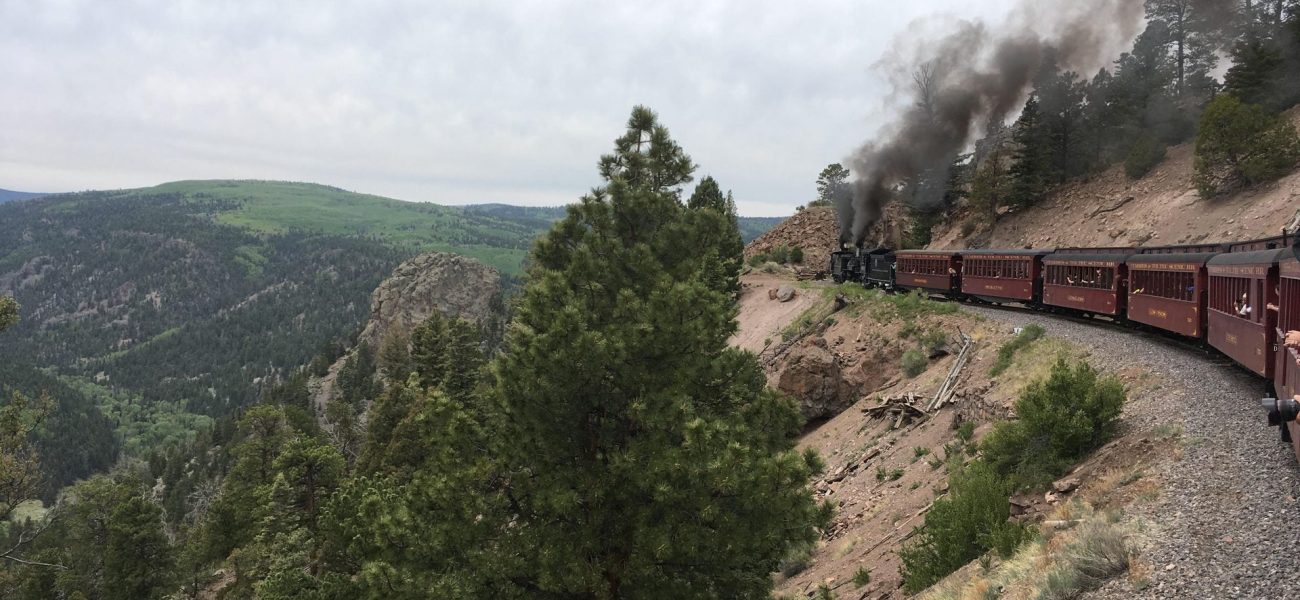
It’s an inconvenient truth, isn’t it? Just when you’re topping popularity polls, nature—or more accurately, the climate we’ve helped fashion—decides to intervene. The Cumbres and Toltec, a venerable 64-mile stretch of narrow-gauge history jointly owned by the states of New Mexico and Colorado, recently snagged the top spot in USA TODAY’S poll for top ten scenic train rides. This marks its return to pole position for the first time since 2020, even if it usually manages a podium finish.
But what good is a gold medal if the track’s closed? Because of what officials deemed extreme drought and wildfire risk, the Cumbres and Toltec Scenic Railroad Commission held an emergency meeting, voting unanimously to push back the inaugural run. You’d think the prospect of scorched earth, instead of verdant valleys, would tend to dampen passenger enthusiasm. Originally, the season should’ve kicked off much earlier, but now folks’ll have to wait until June 9. The commission’s got another review scheduled for June 2, hoping for a miracle rain—or at least conditions not actively encouraging spontaneous combustion—to give them the green light. Talk about a raw deal after such a celebrated victory.
This isn’t just about delayed tourist dollars for a quaint historical attraction. We’re talking about significant economic ripples in rural communities along the route, locales that hang their hats, and a fair chunk of their local economies, on the allure of those antique locomotives. It’s also about fragile ecosystems teetering on the brink. Last year, the southwest saw its driest 22-year period in 1,200 years, according to data from Nature Climate Change, with a direct link to human-caused climate warming. Drought isn’t an anomaly anymore; it’s the new normal, reshaping everything from agricultural yields to the operational calendars of heritage railways.
Consider the railway’s pedigree: [QUOTE_PLACEHOLDER] USA TODAY said. And it’s true. It’s a genuine slice of Americana. This moving National Historic Landmark isn’t just pretty scenery; it’s a testament to industrial grit and human ingenuity.
And then there’s the history. The Cumbres and Toltec, along with its neighbor, The Durango and Silverton Narrow Gauge Railroad (which came in second in the same poll, naturally), are the last remnants of the Denver and Rio Grande Western Railroad’s once-sprawling narrow-gauge network. They’re living museums, sure, but also functioning pieces of history that generate substantial revenue for the surrounding areas. The Broadmoor Manitou and Pikes Peak Cog Railway, and the Georgetown Loop Railroad, also in Colorado, found their places on that list, underscoring the region’s robust rail tourism.
📄 POLICY WIRE WHITEPAPER PUBLISHED: PAKISTAN'S NATIONAL SECURITY POLICY PRIORITIES
👉 READ BY CLICKING HEREBut when you can’t run trains due to fire risk, what’s left? Hope and bureaucracy, I suppose. The commission reviews conditions. They fret. Small businesses bite their nails. It’s a microcosm of a much larger global struggle, a quiet little skirmish on the front lines of climate change’s encroachment on everyday life.
What This Means
This isn’t just a feel-good story about a scenic train ride—or, rather, it’s supposed to be. But this unexpected delay due to environmental threats tells a much deeper policy story. Here, we see the stark intersection of tourism, heritage preservation, state economics, — and climate change. Because it’s jointly owned by two states, New Mexico and Colorado, any operational hiccup for the Cumbres and Toltec carries bi-state economic implications, affecting budgets, employment, and the trickle-down prosperity in adjacent communities that rely on tourist dollars. An entire season’s delay or curtailed operations can wreak havoc on small town balance sheets. We’re not just talking about souvenirs; we’re talking about everything from seasonal staffing at local restaurants to the upkeep of state-owned infrastructure.
the challenges here resonate with infrastructure vulnerabilities observed across the globe, especially in regions prone to extreme weather. Think of the vital rail networks traversing South Asia, like those in Pakistan. From Balochistan’s rail lines, constantly battling geopolitical instability and occasional attacks, to the extensive network running through the Indus River plains, these railways are lifelines for commerce, people, and national security. They’re subject to the vagaries of climate—devastating floods that wipe out tracks in Punjab, or prolonged droughts that strain agricultural output and regional stability. It’s an echo of fragility: one minute you’re a celebrated asset, the next you’re paralyzed by a natural threat.
This situation presents a compelling argument for enhanced investment in climate resilience for even seemingly benign infrastructure assets. States, and by extension national governments, must factor in increasing environmental risks into their long-term economic planning. We’re witnessing how what many might consider an isolated regional incident directly links to broader policy challenges surrounding sustainable tourism, interstate cooperation on resource management (especially water), and the urgent need for a cohesive national strategy to adapt to a rapidly changing climate. It’s less about the romance of the rails, — and more about the prosaic reality of making sure the rails can even run.