


Octagon on the Lawn: White House Becomes Battleground as Spectacle Eclipses Tradition
POLICY WIRE — WASHINGTON — It’s a structure straight out of a post-apocalyptic film, towering over the solemn gravitas of the White House like some metallic aberration. A massive, 90-foot...

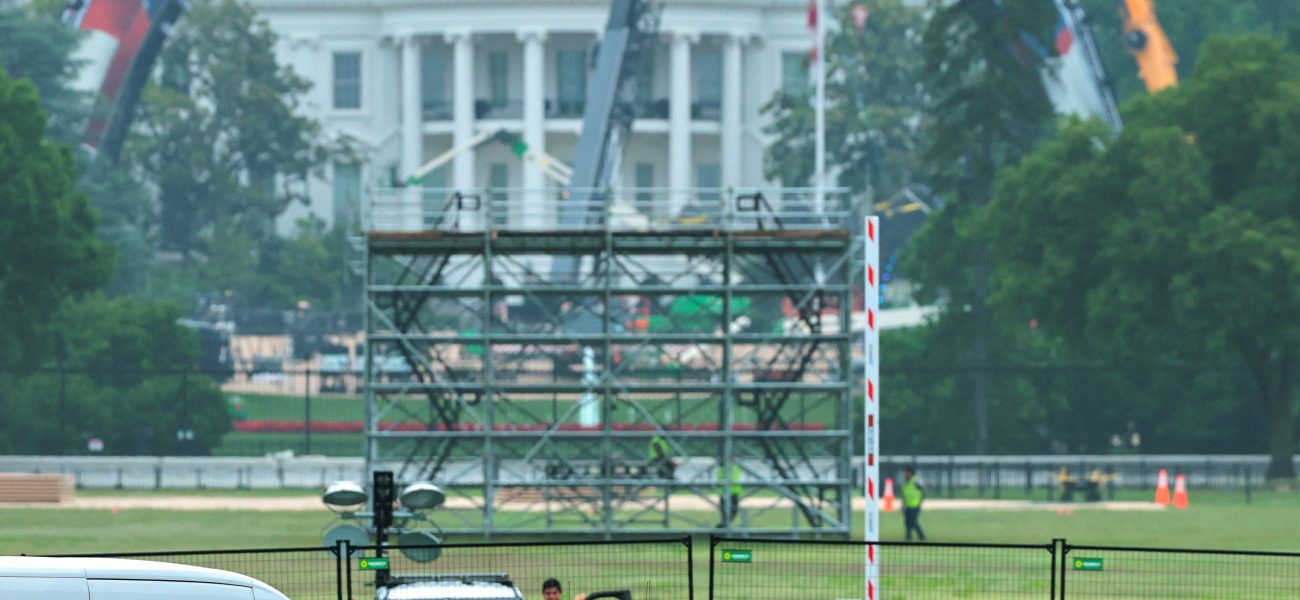
POLICY WIRE — WASHINGTON — It’s a structure straight out of a post-apocalyptic film, towering over the solemn gravitas of the White House like some metallic aberration. A massive, 90-foot open-air edifice, destined to cradle an octagon-shaped cage and 5,000 screaming fans, now casts its shadow across the South Lawn. This isn’t merely a construction project; it’s a statement, a visual roar in the usually understated language of executive diplomacy.
President Donald Trump, no stranger to unconventional maneuvers, is set to transform the venerable presidential residence into a colossal combat sports venue on June 14 for UFC Freedom 250. This isn’t just another Friday night fight. It’s Trump’s 80th birthday, Flag Day, and a deeply personalized spectacle that he’s already dubbed the “biggest event we’ve ever had at the White House.” A mere six weeks out, the sprawling undertaking has already disrupted the everyday rhythm, even rerouting Marine One for air travel. It forces one to wonder, what’s next?
Construction crews have been at it, day — and night, erecting the monumental temporary arena since May 25. An additional 75,000 to 100,000 onlookers are expected to watch on giant screens scattered across the Ellipse, enjoying the brutality free of charge. This is populist showmanship writ large, the kind that both enthralls — and exasperates. And it comes as part of a year-long administration push to celebrate the nation’s 250th founding anniversary. History, it seems, can be served with a side of mixed martial arts.
“Look, he’s always been about big, bold moves,” commented Senator Tom Cotton (R-AR), a staunch Trump ally, from Capitol Hill. “This is a president who understands that engaging with the American people means giving them something unforgettable, something that gets them talking. It’s not your grandfather’s White House, — and frankly, it shouldn’t be.” But not everyone’s buying the spectacle. “It’s an insult to the office,” retorted Senator Amy Klobuchar (D-MN) during a press scrum. “The White House isn’t a personal playground, it’s a national symbol. Prioritizing cage fights over, say, policy discussions — it tells you everything you need to know about where this administration’s focus truly lies.”
Trump’s affinity for combat sports is well-documented; he cut his teeth in the casino circuits of the ’80s and ’90s, ringside with boxing legends. He’s maintained a cozy relationship with UFC CEO Dana White—a staunch ally, by the way—who’s been spotted at the White House multiple times planning this event. Just last month, fighters Justin Gaethje, Ilia Topuria, Alex Pereira, and Ciryl Gane were touring the grounds, prepping for their headline bouts.
📄 POLICY WIRE WHITEPAPER PUBLISHED: PAKISTAN'S NATIONAL SECURITY POLICY PRIORITIES
👉 READ BY CLICKING HEREThe global reach of UFC, a company reportedly valued at over $12 billion as of 2023 by industry reports, means this isn’t just a domestic broadcast. Millions across the globe will tune in. From Riyadh to Islamabad, eyes will fixate on this jarring image of a cage match playing out on the same ground where treaties are signed and diplomatic ceremonies unfold. How this high-octane display of raw aggression is interpreted in, say, a conservative Pakistani household, which holds traditional notions of state decorum, remains an interesting study in cultural reception.
What This Means
This event isn’t just an unprecedented moment in White House history; it’s a calculated stroke of political theater, a manifestation of the Trump brand at its most unvarnished. Economically, it leverages the immense popularity of a sport like MMA, tapping into a demographic that feels traditionally overlooked by the political establishment. It’s direct, visceral engagement, bypassing the conventional media filters. But there’s a cost beyond the structural installation, estimated in the millions. It further erodes the traditional solemnity of the White House, deliberately blurring the lines between a national monument and an entertainment venue. Politically, it’s a powerful, polarizing statement that solidifies his base by affirming their preferences and mocking established norms. And it’s undeniably excellent content for his political campaigns. But opponents will seize on it as evidence of a presidency more concerned with spectacle than statesmanship, deepening partisan divides. It signals the waning polish of professional sports as a dignified pursuit, replaced by a raw, unscripted authenticity that often borders on reality television. It suggests that even the highest office isn’t immune to the billion-dollar ball of new sports economics, which favors bombast over old-school refinement. The implications ripple far beyond one night of fights, reshaping perceptions of presidential conduct for years to come. Don’t underestimate its long tail.