


After a Decade in the Desert, Baseball’s Unlikely Hero Steps Up to the Plate
POLICY WIRE — St. Louis, USA — Forget the glamour. Forget the multi-million-dollar contracts, the highlight reels, the effortless path to stardom. Before any of that, for most, there’s the grit: the...

POLICY WIRE — St. Louis, USA — Forget the glamour. Forget the multi-million-dollar contracts, the highlight reels, the effortless path to stardom. Before any of that, for most, there’s the grit: the endless bus rides, the paltry pay, the quiet desperation playing out under flickering minor league lights. It’s where dreams aren’t just deferred; they’re often simply extinguished.
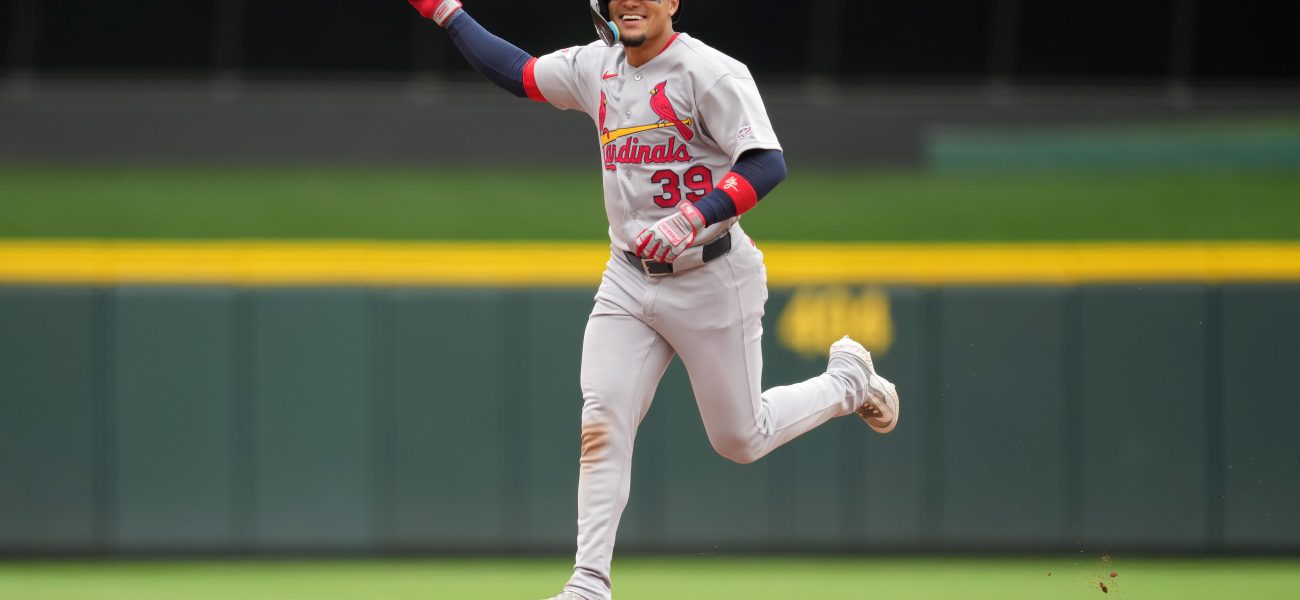
For nearly a decade, Bryan Torres knew that landscape intimately. He signed his first professional baseball contract in 2015, watching countless peers soar past him or vanish altogether. Eight long years—think about that—plugging away in obscurity. So when the 28-year-old outfielder finally stepped onto a Major League Baseball field in a St. Louis Cardinals uniform, it wasn’t just a debut; it was a defiant, stubborn rebuke to statistics, age, and overwhelming odds.
Torres’ performance against the Cincinnati Reds wasn’t merely good; it was the stuff of Hollywood scripts. First, a patient walk, then a crisp single. And then, in the top of the ninth inning, a two-run home run that silenced the doubters and set Great American Ball Park alight. A fairytale, sure, but one earned through sweat — and staggering persistence. But how often do fairytales pay off so handsomely, and so dramatically, when most economic models would’ve written you off years ago?
Speaking post-game, still a bit stunned, Torres described it simply as “dreaming alive.” He didn’t waste words—can you blame him after waiting this long? “There’s not many words to describe this moment,” he reportedly told reporters, emotion thick in his voice. “But if I can tell you something, it’s any of this couldn’t be possible without God. I’m a true believer.” And in that moment, he became a quiet champion for every underpaid, overlooked athlete grinding away, often thousands of miles from home, clinging to a thread of hope.
Torres isn’t exactly built like a power hitter; he even pointed out, with a wry grin, “I’m not a homer guy.” He hit only two all season with Triple-A Memphis before his call-up. Yet, there it was. His real prowess has always been his discerning eye and uncanny bat control, reflected in an astonishing stat during his stint with the independent league Milwaukee Milkmen: he accounted for more walks (104) than strikeouts (100) over 184 games, a remarkable display of plate discipline confirmed by MLB.com. This kind of nuanced talent, often overlooked for flashier metrics, proved invaluable in earning a second look from the Cardinals organization.
📄 POLICY WIRE WHITEPAPER PUBLISHED: PAKISTAN'S NATIONAL SECURITY POLICY PRIORITIES
👉 READ BY CLICKING HEREBut the journey, oh, the journey. It saw him move through the Milwaukee Brewers system, then the San Francisco Giants, before hitting rock bottom—or perhaps, finding bedrock—in independent ball. “Bryan’s path tells you everything you need to know about his character,” remarked John Mozeliak, President of Baseball Operations for the St. Louis Cardinals, a man rarely given to hyperbole. “We track players everywhere, even the independent leagues. What he showed there wasn’t just skill, it was an unshakeable belief in himself, which, frankly, isn’t something you can teach.” Torres’ story resonates far beyond the diamond, too. It’s a parable for the migrant worker, the entrepreneur who fails seven times before a breakthrough, the uncelebrated individual in developing economies striving for even a sliver of opportunity against seemingly insurmountable odds. Like the resilient individuals whose narratives so often shape the socioeconomic fabric of Pakistan and across the Muslim world, where faith often fuels perseverance through hardship, Torres’s declaration highlights a common thread of human endurance.
From Caguas, Puerto Rico, Torres’s family traveled to witness his impossible dream manifest. There’s something universally human in that pilgrimage, in the shared hope and tears, that transcends national borders or sporting codes. And this debut, one that included a walk, a hit, — and that monstrous home run, didn’t just mark a personal triumph. It also ignited a debate about talent scouting, patience in player development, and the financial pressures on players in the lower echelons of professional sports.
What This Means
Bryan Torres’ extraordinary MLB debut isn’t just another feel-good sports story; it’s a pointed commentary on the ruthlessly competitive landscape of professional athletics and, by extension, other unforgiving economic sectors. It throws a wrench into conventional wisdom about talent identification — and the aging curve. In an era obsessed with analytics and early promise, Torres proves the enduring, if unpredictable, power of raw, stubborn will.
For organizations, his ascent validates an expanded scouting net—looking beyond the usual pipeline, recognizing that grit and a refined skill set, like his exceptional plate discipline, can emerge from unconventional environments like independent leagues. Economically, his journey underscores the severe disparities in professional sports, where the vast majority toil for meager wages, yet an exceptional few can, with enough perseverance, break through into the lavish upper tiers. It’s a harsh lottery, but one that occasionally yields a winner whose story resonates far beyond their chosen profession, inspiring those who, for whatever reason, find themselves stuck in prolonged periods of relative obscurity, pushing for their moment in the sun.
📖 GET YOUR FREE COPY NOW OF POLICY WIRE DIGITAL MAGAZINE JULY 2026 EDITION
👉 READ & DOWNLOAD FREE MAGAZINE