

Twilight of an Icon: Ronaldo’s Final Bow and Football’s Shifting Sands
POLICY WIRE — Lisbon, Portugal — There’s always that one last lap, isn’t there? That lingering farewell tour for the titans who’ve outrun Father Time for a shocking spell. For Cristiano...

POLICY WIRE — Lisbon, Portugal — There’s always that one last lap, isn’t there? That lingering farewell tour for the titans who’ve outrun Father Time for a shocking spell. For Cristiano Ronaldo, a man whose career has been a defiant shout against the inevitable, the final whistle now has a date: the 2026 World Cup. But the real story isn’t just that he’s packing it in. It’s about what his departure — even with a few more seasons to play out — signifies for the gilded cage of global football, where passion and billions now intertwine with peculiar intimacy.
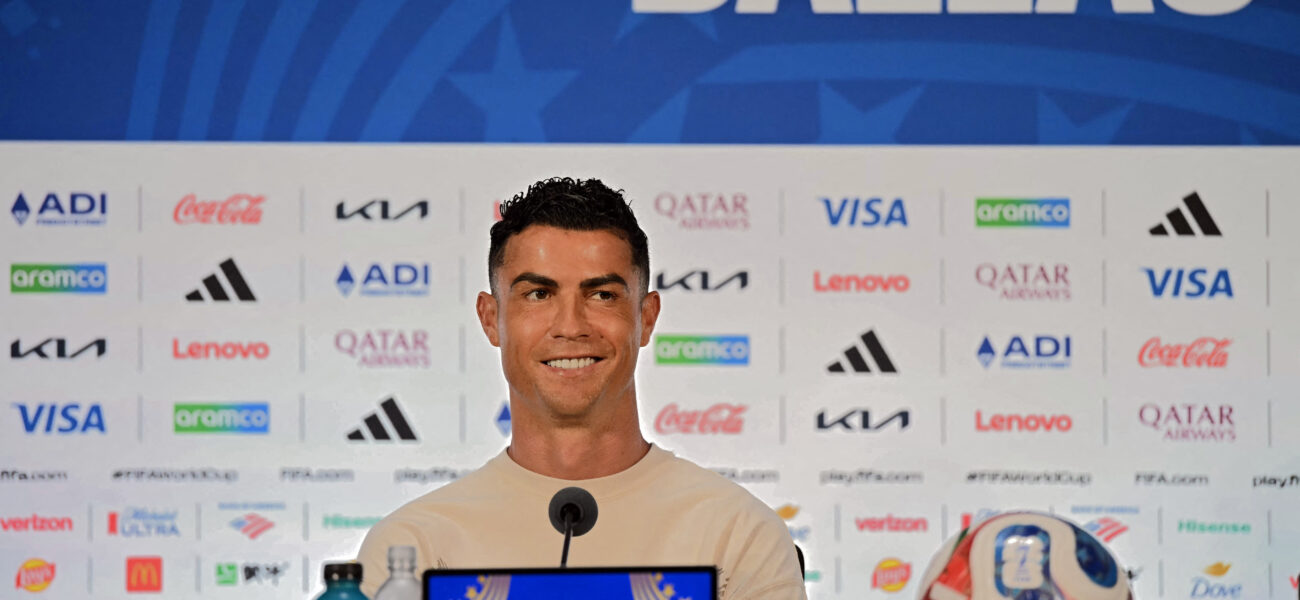
It was buried, as these things often are, amidst the boilerplate pre-match chatter. Ahead of Portugal’s Round of 16 clash with Spain, Ronaldo, ever the showman even when trying to deflect attention, finally admitted the glaring truth. “I want to enjoy it as much as possible, because it will be my last World Cup, yes,” he told reporters. A curt, almost dismissive acceptance, layered with a hint of challenge: “But I hope that tomorrow won’t be my last game in the World Cup.” Because, let’s face it, he’s never been one for understated exits.
His candor cuts through the usual PR fluff, doesn’t it? It’s a reality check for a sport that’s enjoyed an era dominated by a handful of superhuman talents. Think Lionel Messi, Luka Modrić, — and this Portuguese colossus. They’ve distorted expectations, bending time — and the laws of competitive athletics to their will. Now, the next generation waits—and maybe wonders if they can ever fill those boots. It’s a grand changing of the guard, certainly, but it’s also a sobering moment for fans, particularly those in the furthest reaches of the sport’s global footprint.
Take, for example, the ardent football faithful across Pakistan — and the broader Muslim world. Ronaldo isn’t just a player; he’s an aspiration, a brand of muscular ambition that resonates deeply. His matches aren’t merely watched; they’re communal events, punctuated by heated debates in cafes and living rooms from Lahore to Casablanca. For many, his very presence on the pitch elevates a game from mere sport to a grand, almost operatic drama. When Ronaldo goes, a particular kind of theatre goes with him. And the emotional investment? It’s almost impossible to quantify, yet undeniably real.
Portugal, for its part, is already rehearsing for the post-CR7 future. They’ve brought through new blood, lads like Gonçalo Ramos, who bagged a last-minute winner in the Round of 32. It’s a necessary transition, even if the man himself, a spry 41-year-old come 2026, still carries that undeniable gravitational pull. He doesn’t quite see himself as fading, either. “I’ll finish when I want to, not when you want me to. It’s a waste of time to keep asking that question.” Classic Ronaldo – always playing on his own terms. His market value, though, might tell a different tale, even if his goalscoring still makes headlines.
📄 POLICY WIRE WHITEPAPER PUBLISHED: PAKISTAN'S NATIONAL SECURITY POLICY PRIORITIES
👉 READ BY CLICKING HERE“Every era has its titans, but the game, as an institution, evolves,” observed Marta Gonçalves, a long-time commentator on Iberian football and a fixture at international tournaments. “Cristiano’s sustained brilliance—and the global commercial machinery it spun—has, perhaps, inadvertently created a vacuum bigger than we can currently imagine. Filling that celebrity void, not just the goal-scoring one, is the real headache for federations — and sponsors alike. They’re going to need more than just good players; they’ll need genuine superstars, and those aren’t grown on trees, are they?” She’s right; these guys aren’t just athletes; they’re multi-billion-dollar engines.
What This Means
Ronaldo’s confirmed farewell isn’t just a tear-jerking sports story. No, it’s an economic tremor, a political football if you like, for several reasons. For one, his personal brand, for instance, boasts over 600 million followers across social media platforms, according to a recent analysis by Nielsen Sports, making him the most-followed individual on Instagram. That’s a marketing leviathan, capable of driving billions in merchandise, endorsements, — and broadcast rights. The question for FIFA — and corporate sponsors isn’t who scores the goals, but who pulls in that audience post-Ronaldo. And can they transition gracefully into a new era where no single player dominates the attention quite like he has? Brazil’s history shows the power of individual stars, but even their juggernauts eventually give way.
Politically, the diminishing star power of figures like Ronaldo could slightly alter the calculus of soft diplomacy. Nations, particularly those with emerging football aspirations, have historically leveraged star players—through exhibition matches, endorsements, or even late-career stints—to enhance their global image. A world with fewer mega-personalities, who transcend club allegiances, presents a more fragmented landscape. And that’s a challenge. It could force federations to lean more on collective team narratives rather than individual worship, which has its own charm, but it doesn’t quite move the merchandise or create the same universal buzz. the economic models built around these singular figures will certainly shift. It won’t be a catastrophic crash, mind you, but a slow, almost imperceptible redistribution of wealth and influence across a broader talent pool. It’s football’s turn to deal with the end of an imperial age.