


Inferno Averted: Air India’s Near-Catastrophe Jolts Confidence in India’s Soaring Ambitions
POLICY WIRE — Mumbai, India — For a heart-stopping thirty minutes, the fate of hundreds of souls dangled precariously above the Arabian Sea. It wasn’t the kind of drama anyone...

POLICY WIRE — Mumbai, India — For a heart-stopping thirty minutes, the fate of hundreds of souls dangled precariously above the Arabian Sea. It wasn’t the kind of drama anyone wanted on their Tuesday evening commute. But that’s exactly what Flight AI 331, bound for Bangalore from Delhi, delivered when one of its mighty jet engines decided to throw a very public fit, spitting flames across the inky sky over Mumbai’s Chhatrapati Shivaji Maharaj International Airport. It sent shivers down the spine—and definitely not just from the cabin’s AC.
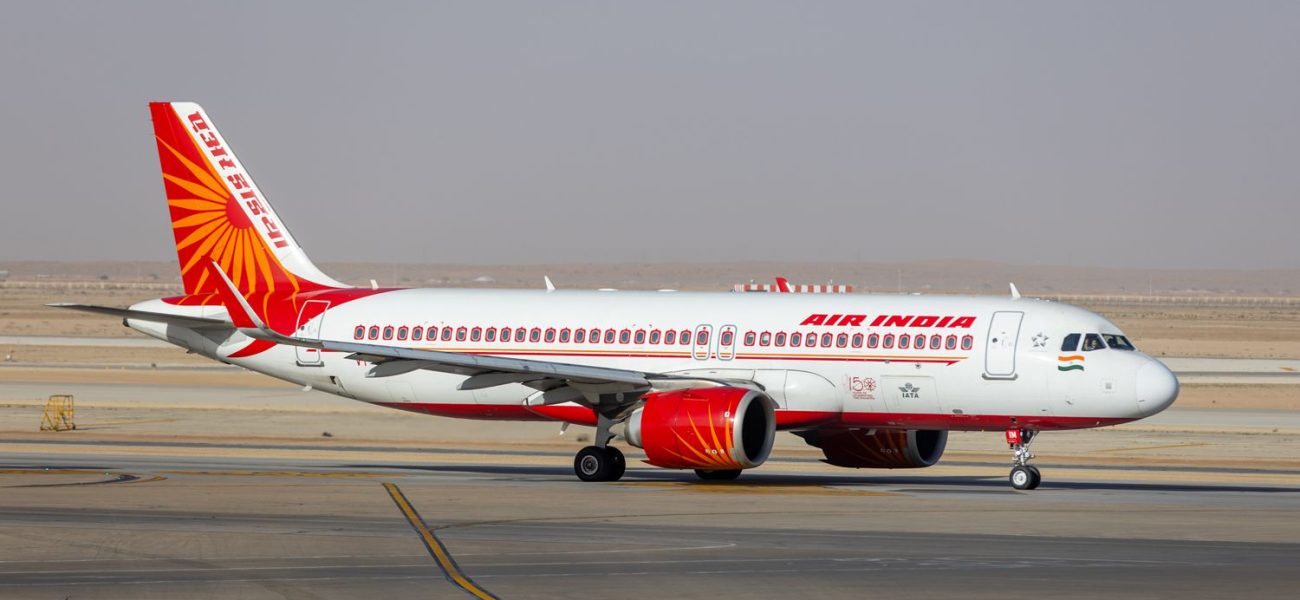
Airport ground crews, initially spotting what they thought was merely an overactive exhaust on take-off, quickly revised their assessment when the pilot declared a ‘full emergency’. An engine had indeed caught fire, a horrifying spectacle visible for miles around. Think about it: a metal bird, hundreds of passengers inside, trailing fire like some misguided phoenix. The pilot didn’t mess around; she banked hard, circled back, and somehow brought the Airbus A320neo down on the asphalt with what can only be described as textbook precision. Everyone on board, we’re told, managed to walk off that plane shaken but uninjured. They had a story to tell, didn’t they?
It’s this kind of incident that rips through the gloss of public relations faster than jet fuel through a combustion chamber. And frankly, it’s a gut check for India’s burgeoning aviation sector. India’s air travel market, for one, is experiencing an explosive expansion, expected to become the world’s third-largest by 2024. But aggressive growth can sometimes expose underlying pressures.
“Our pilots showed incredible composure, turning what could’ve been a catastrophe into a powerful affirmation of their rigorous training and our steadfast commitment to passenger safety,” an Air India spokesperson remarked, keen to restore public confidence before the ink even dried on the incident report. It’s an age-old dance, isn’t it? Incident, official statement, then the quiet work of investigating — and rebuilding.
And rebuilding isn’t just for aircraft. It’s for an airline’s image, for a nation’s infrastructure reputation. The crew’s quick actions here undeniably saved lives, averting a disaster that could have had much broader ramifications. But how many such close calls are flying under the radar, so to speak? Modern airliners, you see, are marvels of engineering, designed with enough redundancies to weather everything short of an act of God. “Incidents like these are unsettling, but these machines are engineered to cope,” explained Dr. Rhea Sharma, a senior aviation analyst, weighing in from her Delhi office. “It’s truly about how crews respond under unimaginable pressure, and in this instance, they certainly proved their mettle. The regulatory body will scrutinize every detail because, let’s be clear, a nation’s air safety record directly impacts its international standing, especially one as geopolitically sensitive as India.” She isn’t wrong; perception shapes policy, it certainly does.
📄 POLICY WIRE WHITEPAPER PUBLISHED: PAKISTAN'S NATIONAL SECURITY POLICY PRIORITIES
👉 READ BY CLICKING HEREAviation safety isn’t just about spare parts and pilot hours; it’s a proxy for governmental efficiency and even national competence. When an Air India plane — the country’s flag carrier — has such a visible near-miss, the ripple effects can spread further than a mere operational review. For a nation positioning itself as a global player, as articulated in pieces like Rubio’s Indian Gambit, such an event can cast a shadow on that carefully constructed narrative of progress and reliability. It certainly doesn’t help when you’re trying to project an image of unshakeable competence on the world stage, does it?
And let’s not forget the regional implications. South Asia, with its rapidly growing economies and increasing interconnectivity, relies heavily on a safe, efficient air travel network. When Pakistan, for instance, grapples with its economic puzzles, it highlights the region’s overall fragility. Aviation incidents, however isolated, can fan flames of concern across a region that already views infrastructural stability with a wary eye. For Air India, undergoing a revitalization under Tata Group ownership, this incident is a tough one. Globally, commercial aviation saw 1.05 fatal accidents per million flights in 2022, according to the International Air Transport Association (IATA) — a low number, yes, but each non-fatal incident like this provides a crucial, harrowing data point.
What This Means
This fiery incident, thankfully devoid of casualties, is much more than just another maintenance issue; it’s a stark reminder of the relentless scrutiny India’s aviation sector faces. Economically, while one aborted take-off won’t collapse tourism or trade, a pattern of such incidents would absolutely deter international business travelers and leisure tourists, impacting airline profitability and wider economic activity. Foreign investors, already a cautious bunch, will undoubtedly be watching. Politically, New Delhi is keen to showcase India’s rise, its ability to manage complex operations on a grand scale. A visibly flaming engine doesn’t exactly scream ‘world-class efficiency,’ does it? The Directorate General of Civil Aviation (DGCA) will be under immense pressure to conduct a transparent, expedited investigation and implement any necessary, tough measures. Failure to do so would compromise India’s hard-won global standing, making it harder for other regional players to ignore safety records within South Asian airspace. The human cost here was averted, but the implications for trust—in Air India, and perhaps by extension, in India’s robust operational capacities—are now undeniably up in the air.