


Ulster’s Bitter Pill: Why European Heartbreak Hides a Troubled Northern Irish Ascent
POLICY WIRE — Belfast, Northern Ireland — The tears of Ulster Rugby players on the rain-slicked pitch of San Mamés stadium told a familiar tale of athletic aspiration crashing headfirst into...

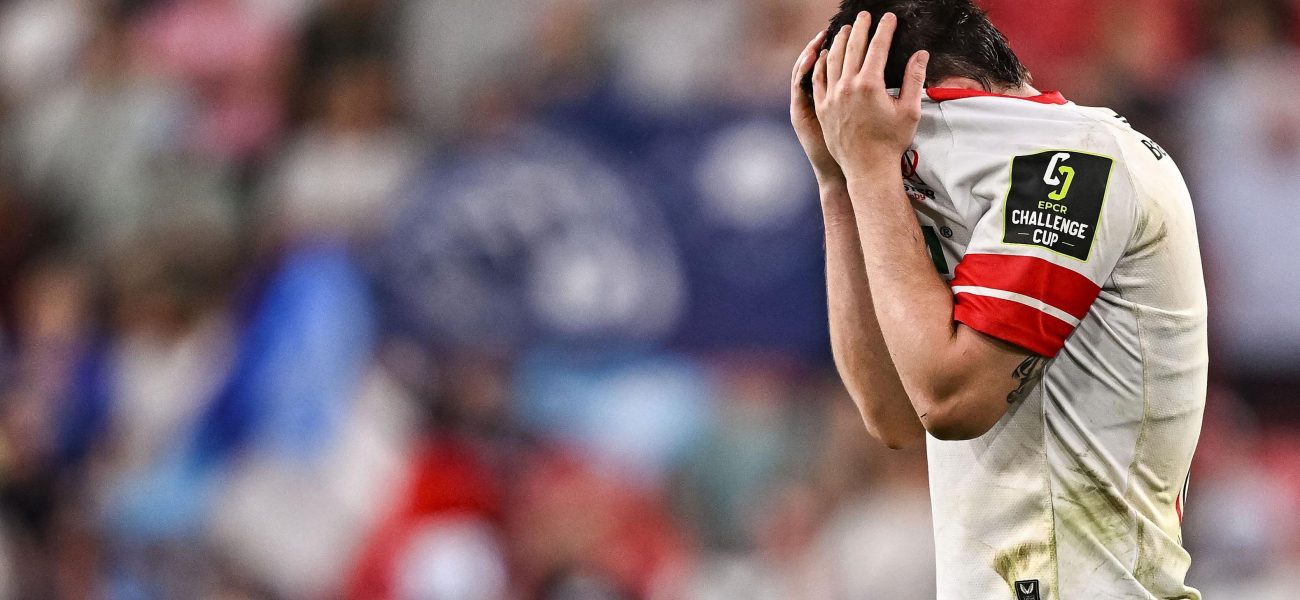
POLICY WIRE — Belfast, Northern Ireland — The tears of Ulster Rugby players on the rain-slicked pitch of San Mamés stadium told a familiar tale of athletic aspiration crashing headfirst into merciless reality. But look beyond the crushing 59-26 drubbing at the hands of Montpellier, and you don’t just see another vanquished provincial team; you find a squad battling an almost existential angst, pushing against the formidable gravity of established European powers with a tenacity that belies their recent history.
It wasn’t supposed to end like that, not after such a year. Folks around Belfast had genuinely started to believe. Their dream of a first trophy in two decades vaporized Friday night, gone like a politician’s promise before an election. French side Montpellier—a bona fide juggernaut—didn’t just beat them; they executed a clinical dismemberment. Nick Timoney’s early try offered a cruel tease, a brief flicker before the inferno. And then, mistake after costly mistake. Missed tackles, fumbled balls, ill-timed throws. Each little hiccup, individually small, added up to a mountain of despair. Manager Richie Murphy, his face etched with the weariness of a man who’s seen too many hard-luck stories, acknowledged the gulf. “They’re right up at the top of the table,” he said after the game, shaking his head. “They had too much power for us tonight.” He didn’t have to explain. Everyone watching already knew.
Because, despite the scoreboard’s brutal honesty, Ulster’s journey to that final was, paradoxically, a triumph. They’d clawed their way there, making their first European final in 14 years. It’s no small feat. Yet, the outcome felt like a familiar sting. For Northern Ireland, sports often mirror broader struggles for identity — and recognition on a grander stage. The collective grief from a loss like this resonates in a way an indifferent fan of a behemoth club might not grasp. It’s more than just a game; it’s a piece of local pride, a flag-waving moment in a region that’s always trying to find its unified voice. That feeling, that raw, visceral connection to community — and sport, isn’t unique. You see it in places like Karachi after a cricket upset or in football-mad communities across the Muslim world—a shared hope that transcends mere athletics, briefly uniting disparate populations under one banner of competitive fervor.
But how does a team in the top European leagues get better when its own success hobbles it? That’s Ulster’s perplexing predicament. A significant chunk of their first-choice talent was pulled away by the Ireland national squad for the Six Nations tournament. While a point of immense pride for the province, it meant vital players—captain Iain Henderson, the influential Stuart McCloskey, Jacob Stockdale, and Rob Herring—were either suspended or sidelined with injuries precisely when the club needed depth and continuity. “We had eight players in Ireland camp this year, compared to just two last year,” Murphy observed. “We’ve had to shuffle our resources, and right now, our squad probably isn’t robust enough to truly compete across two elite competitions simultaneously.” It’s a bitter irony; performing well leads to national call-ups, which in turn stretches provincial resources to a breaking point. It’s a luxury tax on success, — and Ulster’s paying it dearly.
📄 POLICY WIRE WHITEPAPER PUBLISHED: PAKISTAN'S NATIONAL SECURITY POLICY PRIORITIES
👉 READ BY CLICKING HEREAnd let’s be fair, they have made strides. According to URC league statistics, Ulster finished the domestic season an impressive 14 points better off than the previous campaign, vaulting from 14th to ninth in the table. That’s solid progression, even if it wasn’t enough to secure a playoff spot or Champions Cup qualification. It signals growth, a forward trajectory that was previously absent. Murphy isn’t throwing in the towel. “This will drive us forward,” he insisted, suggesting a gritty resolve you’d expect from an old-school coach. “It gives us a real taste of how good we have to be to be at the top end of Europe. We’ll come back fighting.”
What This Means
Ulster’s season, concluding with a painful whimper in Bilbao, isn’t merely a sporting narrative; it’s a quiet reflection on regional economics and political realities within the broader structure of Irish and European rugby. The struggle to retain top talent against wealthier clubs and the national team’s demands represents a tangible brain drain—an issue familiar to many smaller economies trying to compete on an international stage. This situation impacts their ability to secure lucrative sponsorships, develop deeper talent pools, and ultimately, solidify their brand in a globalizing sports economy. Without substantial, sustained investment and a more equitable talent retention system, provincial teams like Ulster, much like burgeoning cultural movements in developing regions, will consistently hit a ceiling imposed by the gravitational pull of larger, better-resourced entities. They’re forced to punch above their weight, a commendable but ultimately unsustainable strategy if long-term, structural changes aren’t implemented. Their grit is unquestionable, but a sustainable pathway to glory requires more than just spirit; it demands institutional backing and a re-evaluation of how success at one level unintentionally siphons resources from another, echoing economic disparities often seen in a global context where regional economies struggle for recognition and market share. French clubs like Lens are reshaping European football, demonstrating how focused investment can elevate regional entities, something Ulster desperately needs.