

Acoma Pueblo’s Quiet Rebellion: Two Decades of Enduring Heritage Against Modern Currents
POLICY WIRE — ALBUQUERQUE, N.M. — It isn’t just another weekend for fry bread and folk dances. Out in the vast, unforgiving landscape of New Mexico, where ancient mesas still whisper forgotten...

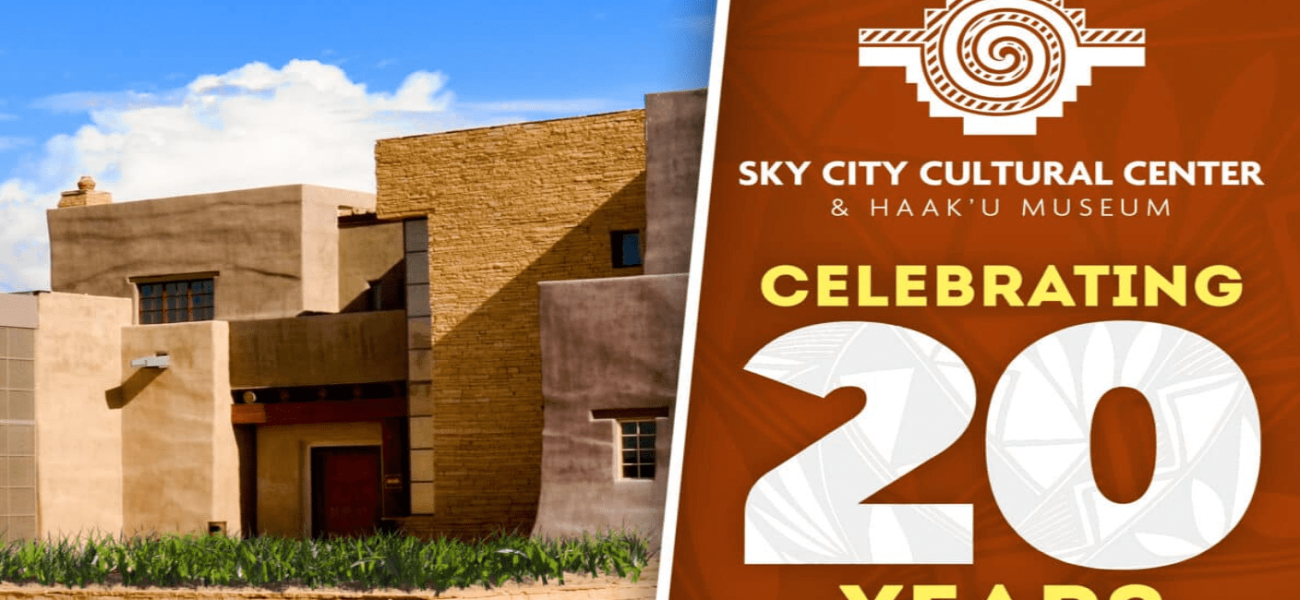
POLICY WIRE — ALBUQUERQUE, N.M. — It isn’t just another weekend for fry bread and folk dances. Out in the vast, unforgiving landscape of New Mexico, where ancient mesas still whisper forgotten tongues, the Acoma Pueblo isn’t merely celebrating the 20th anniversary of its Sky City Cultural Center and Haak’u Museum this Memorial Day weekend. They’re making a quiet, persistent declaration. This isn’t just a party; it’s an economic statement, a cultural anchor, and frankly, a subtle political flexing of self-determination in a state that, let’s be honest, often views its indigenous past more as a curiosity than a continuing sovereignty.
For two decades, this institution, perched near the k’uuchta — the venerable Sky City itself — has done more than simply display pottery and host ancestral stories. It’s become a lodestar for a community striving to marry deeply held traditions with the blunt realities of 21st-century commerce. And it’s a tightrope walk, believe you me. Selling exquisitely crafted artifacts in gift shops, hosting marathon races against an incomparable natural backdrop, guiding tourists through millennia of history — it’s all part of a larger, deliberate strategy.
“Folks see the dances, they see the art, and they think it’s just about quaint traditions,” explained Governor Sarah Lujan of Acoma Pueblo, her voice carrying the weariness and wisdom of generations. “But it’s bigger than that. This center? It’s our economic engine, our biggest employer outside the tribal government, providing stable jobs and a dignified way for our people to stay home, connected to what makes us, us. It allows us to manage our destiny, not just react to what Santa Fe or Washington dictates.” That’s the cold, hard truth of it.
The numbers don’t lie, either. Indigenous tourism nationwide contributes a hefty sum to local — and regional economies. Specifically, tribal enterprises, including those tied to cultural tourism in New Mexico, generated an economic output estimated at over $2.2 billion in 2016 alone, according to the New Mexico Indian Affairs Department. Those aren’t just figures; they’re livelihoods, infrastructure, and a reinvestment into schools and services that might otherwise evaporate in these often-isolated communities. But what’s money without memory? This weekend’s extensive calendar—from arts and crafts shows kicking off bright and early on Saturday morning, through dance performances and a grand community corn dance capping things off Sunday evening—isn’t merely an entertainment lineup. It’s an assertion of presence, a living narrative. And it serves as a powerful magnet, drawing thousands of visitors who leave, one hopes, with a slightly richer understanding of this nation’s first peoples.
Compare this, if you will, to the struggles faced by ancient cultures across the globe. Take the Kalash people in Pakistan’s Chitral Valley, for instance. Their unique animist traditions, their distinct language and dress, are under constant siege—threatened by encroaching modernity, economic marginalization, and regional instabilities. Their heritage sites, often vulnerable, face entirely different battles for preservation — and recognition. It makes you think, doesn’t it, about the universal pushback against cultural erosion, the global urgency to keep distinct ways of life from simply fading into the historical ether. And here, in New Mexico, the Acoma are putting on a clinic, forging a path.
Because ultimately, this celebration is a testament to extraordinary fortitude. The Pueblo of Acoma, one of the oldest continuously inhabited settlements in North America, didn’t just survive five centuries of colonial encroachment and cultural pressure; it found ways to thrive. And this museum, this center, it’s not just a collection of artifacts; it’s a living blueprint for cultural continuity and self-sufficiency. You see it in every artisan’s delicate brushstroke, hear it in every rhythm of the dance.
“People come here expecting history books,” remarked Joseph Chee, Chairman of the New Mexico Tribal Tourism Alliance, watching early preparations. “What they get is a living, breathing history lesson, complete with economic impact statements and sovereign land claims. It’s a reminder that America isn’t just one story, but a million different ones, some far older, far deeper than Thanksgiving and fireworks.” He paused, gesturing toward the horizon. “We’re not just preserving the past; we’re building the future, one visitor, one sale, one dance at a time.” That future, by the way, has some stark environmental realities to contend with too. As New Mexico Bakes, Its Water Crisis Echoes Across a Fragile Planet. Water — or the lack of it — shapes everything here, and always has.
The celebrations, spanning two full days, are stacked: a half-marathon, fitness runs for all ages, detailed discussions and presentations aimed at enriching visitor understanding, and the requisite cake cutting. It’s a meticulously planned symphony of activities designed to engage, educate, — and yes, generate revenue. For the Acoma, this Memorial Day isn’t about mournful remembrance of far-off wars but a proud affirmation of their ongoing struggle and enduring spirit. It’s a message that should resonate far beyond the desert winds of New Mexico.
What This Means
The continued success and growth of institutions like the Sky City Cultural Center illustrate a broader political and economic trajectory for indigenous nations within the United States. It’s not just about federal recognition or land rights, but the active deployment of cultural capital into tangible economic benefit. These centers aren’t quaint tourist traps; they’re engines of self-determination, reducing dependence on external governmental aid and strengthening tribal sovereignty through commerce. Economically, this model represents a diversification strategy that insulates these communities somewhat from the volatility of external markets or the caprices of political administrations. Culturally, it’s a powerful statement against assimilation, a bold reaffirmation that heritage, far from being a static museum piece, can be a dynamic, profitable, and politically charged asset. And in an increasingly globalized, homogenized world, where ancient customs and unique identities face constant pressure, the Acoma Pueblo’s sustained vitality serves as a poignant reminder — even a template — for how marginalized communities everywhere might turn their history into their future, cementing a kind of cultural soft power.