


Desert Brawl’s Bottom Line: How Wrestling Giants Reshape New Mexico’s Summer Economy
POLICY WIRE — Albuquerque, New Mexico — It’s often the grand, sweeping policy changes or geopolitical tremors that grab headlines, not necessarily a few thousand people gathering to watch grown...

POLICY WIRE — Albuquerque, New Mexico — It’s often the grand, sweeping policy changes or geopolitical tremors that grab headlines, not necessarily a few thousand people gathering to watch grown individuals body-slam each other for entertainment. But scratch beneath the surface of summer schedules and you’ll find that the upcoming descent of professional wrestling’s two largest titans, World Wrestling Entertainment (WWE) and All Elite Wrestling (AEW), into New Mexico isn’t just about suplexes and submission holds. It’s about a rather potent, albeit unglamorous, economic injection that few see coming.
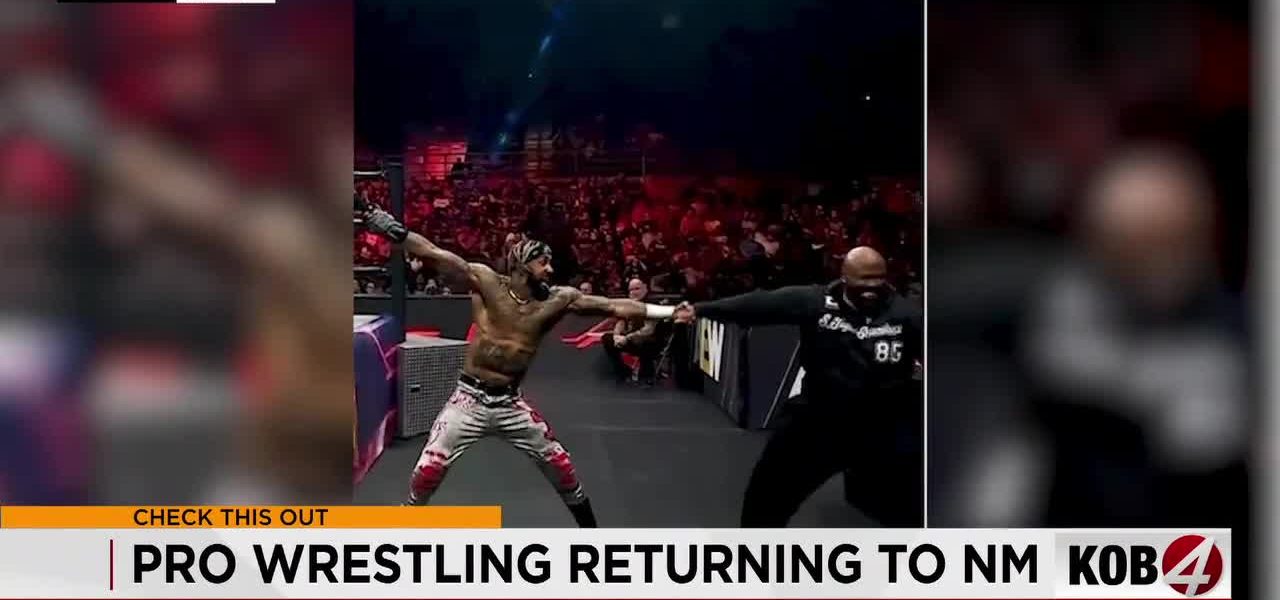
The Land of Enchantment, more accustomed to the quiet hum of desert winds or the distant thrum of Air Force bases, is gearing up for a very different kind of rumble. Two major players in the sports entertainment arena are squaring off for local dollars this summer, vying for attention and ticket sales. AEW is set to stage a takeover at the Rio Rancho Event Center on June 24th. And then, just weeks later, WWE kicks off its summer circuit with back-to-back performances: July 11th in Las Cruces and July 12th at Albuquerque’s legendary ‘The Pit’. You wouldn’t think choreographed combat could have such financial heft, but it does, drawing fans — and their wallets — from across state lines.
“We’re always looking for unique avenues to boost our local businesses and put Albuquerque on the map,” explained Mayor Tomás Delgado in an exclusive conversation, his voice a gravelly reflection of years spent navigating municipal budgets. “These events, they aren’t just spectacle; they’re direct infusions. Hotels book solid. Restaurants see a rush. Our city’s economic heartbeat gets a nice, vigorous pump.” And he isn’t wrong. According to a 2023 New Mexico Department of Tourism report, major sporting and entertainment events of this magnitude typically inject upwards of $10 million into local economies through lodging, dining, and retail alone, a statistic that likely undercounts the ripple effects across an ecosystem of smaller vendors and service providers.
This isn’t an isolated phenomenon, mind you. But it’s especially salient in a state that, despite its natural beauty, sometimes struggles with consistent large-scale event tourism beyond a few well-known festivals. These wrestling events tap into a fervent, almost cult-like fanbase — a demographic fiercely loyal, notoriously free-spending, and willing to travel considerable distances. It’s a dedicated cohort, let’s call ’em zealots, who track their favorite performers with the intensity some reserve for geopolitical skirmishes.
But how does this fit into the grander scheme, you ask? Because global entertainment has long since transcended borders, blurring cultural lines and offering fascinating economic parallels. Consider how countries in the Muslim world, for instance, particularly in South Asia like Pakistan, fiercely champion local sports or even more global phenomena like cricket. There, the fervor can dictate economic trends and shape national identity in ways a mere wrestling show might not in the US. Yet, the underlying mechanisms—the fan loyalty, the monetization of spectacle, the community engagement—are strikingly similar, albeit with different cultural packaging. It’s all about creating a memorable experience and, critically, making people pay for it. The demand for visceral, escapist entertainment is a universal constant.
“New Mexico often gets overlooked for these kinds of national touring acts, but we’ve made a concerted effort to change that narrative,” remarked Isabella Rodriguez, State Secretary of Tourism and Economic Development, her tone optimistic but laced with the realism of a seasoned bureaucratic fighter. “Bringing in both WWE and AEW isn’t just good for the bottom line; it tells the nation we’re a serious player in the entertainment landscape. It elevates our profile.” It’s about more than just gross receipts; it’s about branding.
And speaking of branding, the ongoing, barely-disguised war between WWE and AEW isn’t just happening in the ring or on television; it’s a silent battle for market share playing out in cities like Albuquerque and Las Cruces. They’re competing for eyeballs, for discretionary spending, for cultural relevance. Their head-to-head scheduling, often within the same week, reflects a broader economic aggression, a high-stakes chess match played out with flesh-and-blood gladiators.
What This Means
The quiet invasion of New Mexico by wrestling’s heavyweights might seem like a niche story, but it packs a significant punch for regional economics. For one, it highlights the often-underestimated power of ’boutique’ entertainment industries to provide direct, tangible financial boosts to local economies, especially in areas that aren’t traditional tourism powerhouses. This isn’t abstract venture capital; it’s dollars flowing into the pockets of hotel staff, restaurant workers, and taxi drivers, almost immediately. And that matters, particularly in a landscape where traditional manufacturing or energy sectors might be contracting.
it points to a savvy strategy by state and local officials to diversify their economic portfolios by aggressively pursuing — and securing — a wider range of large-scale events. This competition between two industry leaders—WWE, a long-established global juggernaut, and AEW, the relatively younger, insurgent force—is actually a boon for host cities. They’re effectively pitting corporate rivals against each other, driving up potential local benefits through sheer competitive pressure. It’s a bit of a zero-sum game for the wrestling promotions, sure, but a net positive for places like New Mexico.
Culturally, it reinforces the enduring appeal of live spectacle, even in a digital age. These events foster community and shared experience, pulling people away from their screens (if only for a night) and into a physical space. For a region grappling with its identity, finding common ground in the dramatic narrative of good versus evil, hero versus villain, on a grand stage, offers a peculiar but profound cultural touchstone. Just as cricket’s moneyball transforms India’s billion-dollar league, this desert brawl, too, shifts local economic sands. But who truly wins this summer showdown—WWE, AEW, or New Mexico itself—remains to be seen.