


Blazes of Distrust: When Aid Collides with Local Fury in Congo’s Ebola Fight
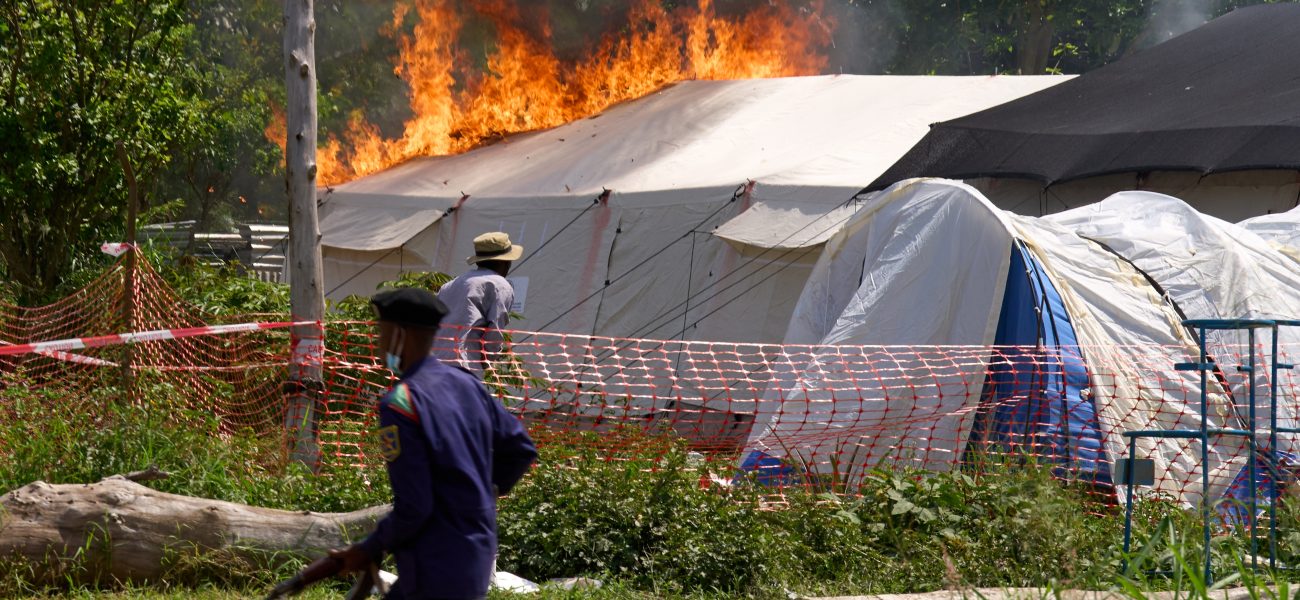
POLICY WIRE — Beni, Democratic Republic of Congo — The smoke, acrid and defiant, didn’t just rise from a burning Ebola treatment center; it billowed from the very chasm of distrust tearing at...

POLICY WIRE — Beni, Democratic Republic of Congo — The smoke, acrid and defiant, didn’t just rise from a burning Ebola treatment center; it billowed from the very chasm of distrust tearing at this tormented corner of the world. Forget the obvious — the virus itself. The true pathogen here, the one festering and exploding into fiery acts of rebellion, is the profound alienation between international aid efforts and the beleaguered folks they’ve ostensibly come to save. Folks in Beni, tired and suspicious, lit a blaze that illuminated a darker truth: sometimes, the help itself becomes a symbol of the problem.
It’s a bitter pill to swallow, isn’t it? When the desperate turn their fury on the hands extended to help. But that’s exactly what played out in Beni, an incident that wasn’t an anomaly, but rather another chilling chapter in a longer, more tragic story. People here, many of whom have lived through generations of conflict, corrupt governance, and opportunistic foreign intervention, don’t just see a clean clinic and white-clad medics; they often see another intrusion, another set of rules imposed from afar, another drain on scarce local resources.
And let’s be frank, these sentiments don’t just materialize from thin air. Years of broken promises, cultural insensitivity, and an aid architecture that often feels more colonial than collaborative have created a fertile ground for skepticism. When outbreaks strike—Ebola, Marburg, you name it—the knee-jerk reaction of sending in large, well-funded foreign teams, sometimes with armed escorts, can paradoxically fuel the very opposition it seeks to overcome. It’s an inconvenient truth, but sometimes, the cure can feel worse than the disease.
Mr. Marcel Tshishiku, the regional health director, voiced his frustration, bordering on exasperation, during a recent briefing. “We deploy resources, dedicate our lives, and face incredible dangers—only to see our efforts literally go up in flames,” he stated, a tremor in his voice. “It’s a disheartening setback. We work tirelessly, — and then to see facilities destroyed by the very people we’re here to save… It speaks to a deep disconnect we must address, or this battle is lost before it begins.” He’s not wrong; it’s a hellish situation for everyone involved, no doubt.
This dynamic isn’t unique to the DRC, mind you. Across the Muslim world, from parts of West Africa to Afghanistan and Pakistan, we’ve seen similar battles over trust derail critical public health campaigns. Take polio eradication in Pakistan, for instance. For years, vaccination teams faced — and still face — fierce resistance, often targeted by extremist groups who propagate conspiracy theories claiming vaccines are a Western plot to sterilize Muslim children or spy on their communities. These are devastating, often violent, echo chambers of misinformation, reflecting the deep-seated grievances against external forces that feel strangely similar to the mistrust boiling in Beni. But they’re also homegrown issues, local grievances against governments that don’t always protect their own. It’s complex.
“These attacks aren’t just against buildings; they’re assaults on our collective humanity, on sick individuals needing immediate, professional care,” lamented Dr. Anne-Marie Dupont of Doctors Without Borders, her voice tight with concern in a phone interview from Goma. “We can’t treat what we can’t reach, — and when fear turns into hostility, our work becomes impossible. Every destroyed clinic, every attacked healthcare worker, means more suffering for an already devastated population.” It’s a stark picture she paints, and it’s entirely accurate.
And let’s look at the numbers. According to a 2019 report from the World Health Organization, more than 300 attacks on healthcare workers and facilities were recorded in the DRC during this particular Ebola outbreak alone, contributing significantly to delays in containing the disease and increasing infection rates. Three hundred attacks—that’s not incidental, that’s systemic opposition. That’s raw fury. That’s a direct impediment.
What This Means
The burning of a treatment center isn’t just local news; it’s a screeching siren for global health policy makers. Politically, it signals a complete breakdown in community engagement — and communication. Aid organizations — and national governments clearly aren’t bridging the gap effectively. This further destabilizes regions already teetering on the edge, providing fertile ground for armed groups who exploit local grievances against authorities and foreigners alike. It doesn’t just stall health initiatives; it can easily morph into broader civil unrest, complicating governance and national security issues in an already volatile region. Local authorities—who often bear the brunt of public anger—find their legitimacy eroded even further.
Economically, the implications are similarly bleak. Destroyed infrastructure means aid budgets are diverted from primary care — and prevention to rebuilding. It increases operational costs through the necessity of enhanced security measures, ultimately making humanitarian work less efficient and more expensive. Foreign investment — and development aid become riskier propositions for wary international partners. The continued spread of disease—because containment is hampered by such incidents—also devastates local economies, shuttering markets, restricting movement, and draining already meager household incomes. It’s a vicious cycle that, left unchecked, guarantees protracted suffering and instability. We need a better playbook, and frankly, we needed it yesterday.