


The Brutal Poetry of Unflinching Dominance: Union’s Diamond Reign Echoes Beyond the Baselines
POLICY WIRE — KERN COUNTY, UT — The confetti’s settled, the shouts have faded—but the raw, visceral feeling of absolute dominance doesn’t quite dissipate. We’re talking about the kind of...

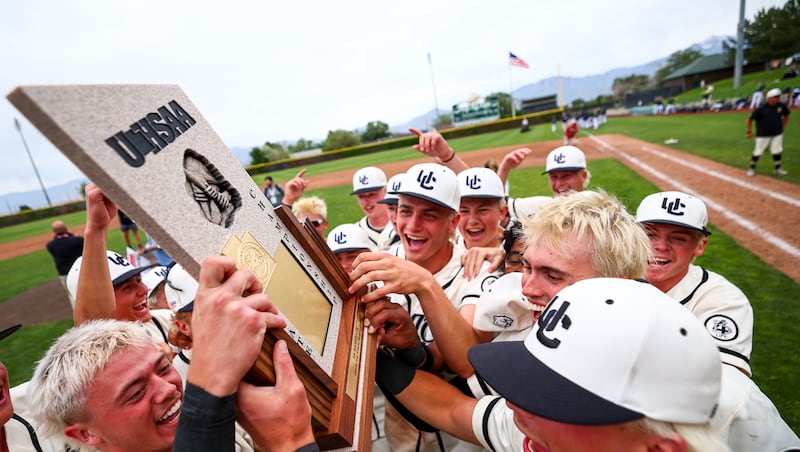
POLICY WIRE — KERN COUNTY, UT — The confetti’s settled, the shouts have faded—but the raw, visceral feeling of absolute dominance doesn’t quite dissipate. We’re talking about the kind of one-sided affair that makes you wonder if the losers actually woke up that morning, not the polite sort of victory. On Saturday, May 16, 2026, the Union Cougars didn’t just beat the Grantsville Cowboys; they etched a brutal, 14-0 memorandum onto the 3A state baseball championship record books. And frankly, it felt less like a contest and more like a tactical demonstration of what happens when preparation meets an utterly uncompromising will.
It’s easy to dismiss high school sports as quaint—a pastime before the real battles of life. But don’t tell that to these kids, or their coaches, or the townsfolk who pour every spare ounce of civic pride into these diamond duels. This wasn’t their first rodeo, either. The Cougars bagged their second state title in three years, having already secured the prize back in 2024. That sort of sustained success? It shifts the conversation from mere athletics to something resembling an organizational triumph, a meticulously cultivated culture of winning.
But how does one dissect a game so lopsided, especially when for six excruciating innings, it wasn’t? Heading into the top of the seventh, Union clung to a tenuous 2-0 lead. A good effort, sure, but hardly the stuff of legend. Then came the eruption—a twelve-run, thirteen-batter onslaught that redefined ‘late game heroics.’ Phantom Forecasts rarely predict such dramatic turns, yet here it was, undeniable. Bo Earl, Brennen Mecham, Stetson Wills, Davin Brotherson, Gannon Labrum, Gavin Wilkerson, Tyson Marx, and Dylan Watahomigie all contributed RBI at-bats, a collective machine dismantling the Grantsville hopes with chilling efficiency. It’s hard not to respect the sheer, clinical execution.
However, the real architects of this masterpiece probably weren’t at the plate in the final inning. That distinction belongs firmly to senior pitcher Ryan Oakey, whose performance bordered on the mythological. He tossed a complete game shutout, allowing a mere three hits against a Grantsville team that had been averaging over 10 runs per game in the 3A playoffs. Eleven strikeouts, just three hits—that’s an economy of effort, a laser focus rarely seen, even in professional leagues. “I felt really dominant with my fastball,” Oakey quipped later, the understated confidence a hallmark of those who truly own their craft. “They couldn’t catch up to it, — and then my curveball, they were fooled by it every time. I just felt like I could go back to either of those and they couldn’t touch it.” Casual, almost dismissive of the opposing talent, but accurate.
His coach, Matt Labrum, echoed the sentiment. “Ryan’s a stud. He’s unreal up there. He’s grown so much mentally this year, — and obviously physically. We feel really good when he’s on the mound.” Labrum’s assessment isn’t just coaching praise; it’s an observation of an athlete who’s reached that elusive intersection of talent and unflappable temperament. Because let’s be honest, sports psychology is as real on these dusty diamonds as it’s in any high-stakes arena.
📄 POLICY WIRE WHITEPAPER PUBLISHED: PAKISTAN'S NATIONAL SECURITY POLICY PRIORITIES
👉 READ BY CLICKING HEREThe contrast in pressure was clear to Labrum. Their first title in 2024? “We were the seventh seed, so nobody expected that. I didn’t feel any pressure.” But this year, as the number one seed, the narrative changed entirely. “This year we were the one seed, and so we feel a lot more pressure.” This isn’t dissimilar to the intense, almost spiritual, weight carried by national cricket teams in Pakistan, where victory isn’t just a win; it’s a temporary balm for national anxieties, a momentary uplift that far transcends the game itself. The expectations placed on a dominant team—be it in American high school baseball or international cricket—are a fascinating study in communal hope and despair, proving the universal truth that for every winner, there’s an expectation. And this team, they didn’t buckle. “I’m so proud of our guys not worrying about that — and coming out and being ready to play. These guys play together. They don’t care who gets the credit,” Labrum concluded, almost a political statement in its emphasis on unity and selflessness.
What This Means
Beyond the celebratory backslaps and inevitable pizza parties, Union High School’s back-to-back dominance signifies more than just athletic prowess. For a local community, these championships are potent psychological affirmations, solidifying town identity and often indirectly boosting school enrollment and property values—a subtle economic bump. Politically, winning teams become leverages for school board funding requests, justifications for new facilities, and, let’s face it, pretty excellent campaign material for local politicians eager to hitch their wagons to success. It’s a low-stakes example of how local achievements can fuel broader narratives.
But also, it’s a stark reminder of the ephemeral nature of such triumphs. For Oakey and his senior teammates, this peak is just that—a peak, often followed by a valley of real-world demands. Many will hang up their cleats for good. Their athletic legacy is sealed, yes, but its future economic or social impact, beyond local celebrity, remains largely unwritten. The subtle irony, of course, is that the ferocity of this competition, this brief, intense period of community obsession, will soon fade into anecdote, joining countless other tales of fleeting glory. A grand achievement, absolutely, but one that nonetheless exists within its own fragile, temporary bubble.