


New Mexico’s Lead Reckoning: A $27 Million Drop in a Vast, Toxic Bucket
POLICY WIRE — Washington D.C. — They’re in your walls, under your streets, delivering life’s most basic necessity, and in far too many American homes, they’re still leaching poison. We’re...

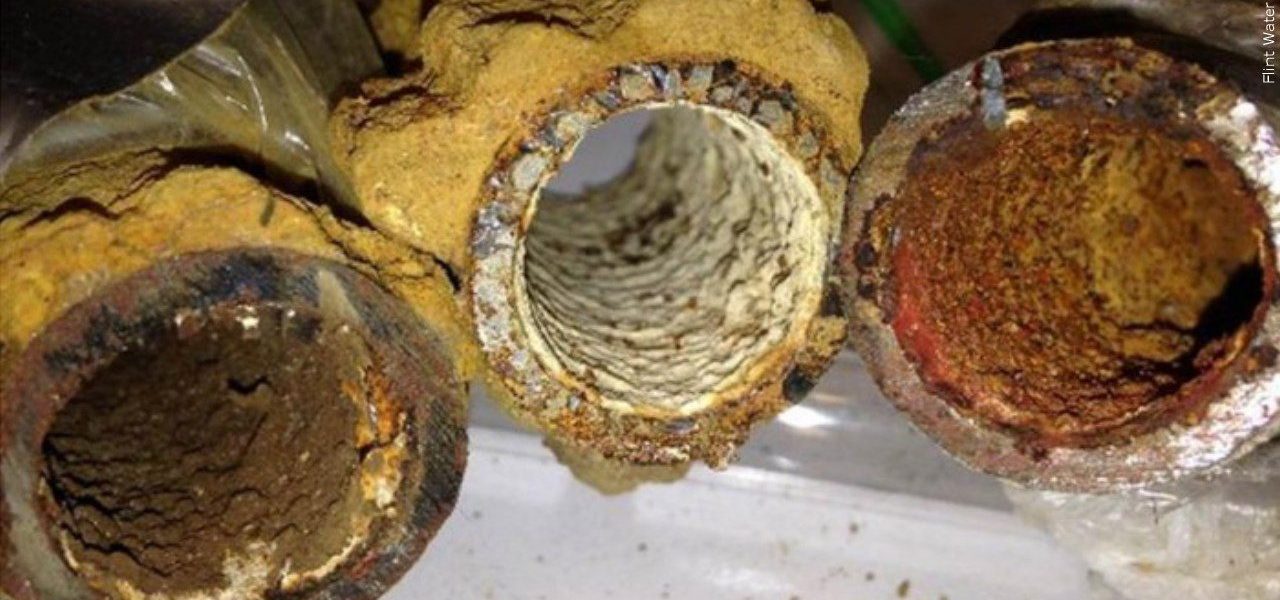
POLICY WIRE — Washington D.C. — They’re in your walls, under your streets, delivering life’s most basic necessity, and in far too many American homes, they’re still leaching poison. We’re talking lead pipes, naturally. It’s an old problem, a familiar villain, and for New Mexico, the Environmental Protection Agency has tossed a tidy sum – a cool $27.4 million – into the effort to get rid of them. Just a fraction, mind you, of the national need, but a win, some would argue, for those on the front lines.
It’s an acknowledgment, certainly, that communities across the state, from Albuquerque’s sprawling suburbs to Taos’s historic adobes, are grappling with infrastructure built in a different, less discerning era. This isn’t just about turning on a tap; it’s about systemic neglect, slow-rolling hazards, and the often-invisible impact on public health.
New Mexico joins three other states – Arkansas, Louisiana, and Oklahoma – in receiving an identical federal slice, all part of a broader EPA initiative through the Drinking Water State Revolving Funds. Texas, always a bigger animal, pulls in a heftier $76.6 million. These aren’t handouts; they’re investments meant to target, identify, and ultimately exorcise these metallic demons from local water systems. But consider this: The EPA itself estimates roughly 4 million lead service lines still snake beneath the ground across the country. That’s a staggering figure, per their own reports.
Scott Mason, the EPA Region 6 Administrator, made all the right noises, didn’t he? He waxed poetic about protecting kids — and giving parents some much-needed peace of mind. “This funding,” Mason told us, his voice likely resonating with bureaucratic purpose, “it isn’t just about replacing metal. It’s about securing futures, building trust, and showing we actually give a damn about clean water in every American home.” His words carried a weight that went beyond mere technical compliance, leaning into the deeper societal implications. You’d almost believe him.
But the real work, as anyone who’s ever dealt with municipal projects knows, happens at the local level. New Mexico’s Environment Department Secretary, James Lopez, didn’t pull any punches when reflecting on the state’s predicament. “Twenty-seven million sounds like a lot,” Lopez observed dryly, “and for some towns, it’s. But when you’re talking about replacing miles upon miles of pipes, some buried beneath historic districts, some serving our most vulnerable populations, it’s not a blank check. It’s a start. A hard, grinding, painstaking start, but it’s one we absolutely needed. We’re going to use every last dime of it, believe me. And then we’ll be asking for more.” His frankness cut through the official niceties, a nod to the gargantuan task ahead.
This isn’t an American anomaly either. We often cast our gaze outward, criticizing the crumbling infrastructure in, say, Lahore or Dhaka. In vast, populous nations like Pakistan, where clean water access is an even more precarious dance, the challenges of replacing decades-old, substandard piping are magnified by resource scarcity and sheer scale. Here, the federal government can allocate millions. There, communities are often left to their own devices, contending with systemic issues that make New Mexico’s problem look like a suburban annoyance. It’s a grim mirror, reflecting different scales of the same basic human right: safe drinking water.
This EPA funding – ostensibly for public health – also quietly fuels the state’s contractors — and engineering firms. A micro-economy sprouts from each buried pipe, from lead abatement specialists to project managers. And that’s not nothing.
What This Means
Politically, this allocation is a classic example of federal largesse trickling down, designed to demonstrate a tangible commitment to everyday issues. It’s a win for the Biden administration, a concrete item on the “deliver for the American people” checklist, especially in election cycles. States like New Mexico, often competing for scarce federal resources, will hail it as a victory, even as they acknowledge its inadequacy for the full scope of the problem. It allows local officials to claim progress — and assuage community fears, if only for a moment. But it also raises uncomfortable questions about why this problem, so well-documented and preventable, persisted for so long without commensurate action. The politics of slow-burn crises always favors reactive funding over proactive investment.
Economically, the impact is two-fold: immediate injection into local construction and contracting sectors, providing jobs and boosting regional economies – a welcome if minor bump. Long-term, the health dividends are the real prize. The reduction of lead exposure, particularly in children, means fewer health complications, better cognitive development, and a less strained healthcare system down the road. But this is an investment with a delayed return; you don’t see the profits next quarter. You see them years from now, in the improved well-being of a healthier citizenry. That’s the theory, anyway. Actually executing on it will take more than just dollars; it’ll take unrelenting commitment.
So, New Mexico gets its chunk. It’s a good day for grant administrators — and the companies that’ll do the digging. For the kids drinking water that’s been flowing through toxic lines for decades? The relief is welcome, to be sure. But let’s not pretend it’s some grand, sweeping victory. It’s an essential patch, yes. A bandage. On an aneurysm.