
Montenegro’s Delicate Dance: From Independence to Europe’s Uneasy Embrace
POLICY WIRE — Podgorica, Montenegro — Twenty years, eh? It’s not much time, in the grand scheme of nations finding their footing, but for Montenegro, these past two decades have been a relentless,...

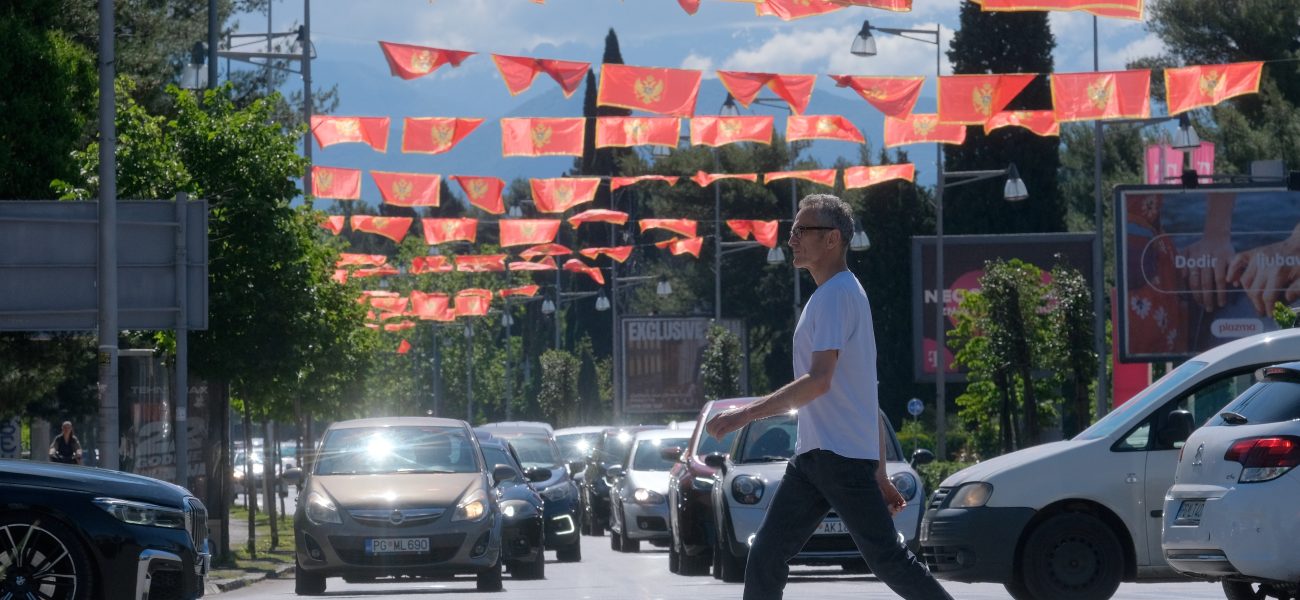
POLICY WIRE — Podgorica, Montenegro — Twenty years, eh? It’s not much time, in the grand scheme of nations finding their footing, but for Montenegro, these past two decades have been a relentless, sometimes frenzied, dash away from the past and toward a perpetually distant horizon. They declared independence from Serbia with a whisper of a majority in 2006, then barreled into NATO a decade later. But Brussels? That’s where the real headache starts, where the tidy narratives fray at the edges.
Because frankly, it’s easier to split from an old union than to be accepted into a new one—especially when that new one expects you to clean your house, top to bottom. Montenegro’s journey has been framed as a Balkan success story, a pint-sized nation, a mere 620,000 souls, carving out its own destiny. And on paper, they’ve done much of the homework. But look closer, — and the shine wears thin.
It’s a peculiar thing, nation-building. Like constructing a house with a blueprint that keeps changing. You get a little nation-state with Adriatic vistas and—let’s be honest—some enduring internal squabbles. Prime Minister Dritan Marković, a figure who’s seen his share of political jousting, doesn’t pull punches when he talks about it. “We’ve punched above our weight for decades,” Marković quipped recently, probably while nursing a strong coffee. “Independence was one thing, joining NATO another. Now, Brussels beckons, and while the path is bumpy—it always is, isn’t it?—our compass points West. We’re not looking back.” A sentiment perhaps shared by many smaller nations trying to find their unique place amidst shifting global tectonic plates, a strategic imperative not lost on nations from Ankara to Islamabad, where similar tightrope acts play out daily.
But the ‘West’ itself is a complicated beast. Margot Dubois, spokesperson for the EU Enlargement Commissioner, tends to temper any effervescent enthusiasm with bureaucratic pragmatism. “Montenegro has shown resolve, that’s undeniable,” she stated in a recent briefing, her tone carefully measured. “But true integration, the kind that lasts, demands more than just declarations. It requires real shifts in governance, battling corruption, — and safeguarding independent institutions. The door’s open, but it’s not a free pass.”
And that’s the rub, isn’t it? The reforms aren’t just checkbox items; they’re deep structural changes. Graft, organized crime, and a judicial system that can feel more like a tangled web than a guiding light are serious impediments. The EU expects these issues to be addressed, not merely acknowledged. Montenegrins, despite the EU fatigue that sometimes settles in—a universal malady these days for aspirant members—largely still want in. Why wouldn’t they?
Consider the cold, hard numbers: As of 2023, the European Commission notes that while Montenegro has opened all 33 EU accession negotiation chapters, it has only provisionally closed a paltry three. It’s like preparing for a marathon by running sprints—you’re moving, but are you ready for the long haul? The process has stalled, then sputtered, — and then stalled again. Each internal political crisis, each scandal, each new skirmish over identity or foreign policy (often linked to Serbian or Russian influence), chips away at that European dream.
This isn’t just about Europe, though. Small states like Montenegro learn to balance diverse interests. While the gravitational pull of the EU is undeniable, prudent leadership knows not to put all their economic eggs in one European basket. We’ve seen an increase in targeted investment and diplomatic outreach towards Gulf states, and even discussions about new trade routes with partners further East. It’s a testament to the nation’s survival instinct—they’re not waiting for Europe alone. These parallel engagements are strategic, aimed at diversifying revenue streams and perhaps mitigating the slower-than-hoped-for European integration.
What This Means
Montenegro’s tightrope walk isn’t just a local affair; it offers a glimpse into the EU’s own limitations and the increasingly complex choices facing aspiring members. The prolonged accession process, sometimes perceived as capricious or overly demanding by local populations, can breed disillusionment. It doesn’t just empower domestic opposition; it can also inadvertently provide openings for rival geopolitical actors eager to exert influence. Think Russia, or even China, looking for soft underbellies in Europe’s periphery.
Economically, the country remains highly dependent on tourism and foreign investment, making it vulnerable to external shocks and geopolitical whims. Stability, therefore, isn’t just a political aspiration; it’s an economic imperative. If the EU fails to meaningfully accelerate accession for capable — albeit flawed — candidates like Montenegro, it risks losing credibility in the Western Balkans entirely. And that, dear reader, would be a much bigger problem than just one small country’s stalled application. It would suggest a broader structural problem within the European project itself—one that leaves strategic gaps to be filled by others.