


Europe’s Fiscal Cliff Nears as Middle East Fires Burn
POLICY WIRE — BRUSSELS, BELGIUM — It isn’t just the chill of autumn descending on Europe; it’s a deeply unsettling, fiscal one, too. You see, the markets? They’re getting...

POLICY WIRE — BRUSSELS, BELGIUM — It isn’t just the chill of autumn descending on Europe; it’s a deeply unsettling, fiscal one, too. You see, the markets? They’re getting jumpy. And for good reason. Forget the usual quarterly grumbles about inflation or sluggish growth—what’s coming out of the EU’s economic offices lately feels a lot more like a distress signal, one amplified by the increasingly hot mess erupting across the Middle East.
It’s not just Iran, of course, but the proxy wars, the supply line jitters, the sheer, undeniable reality that geopolitical storms almost always land right in Europe’s economic lap. The upcoming EU economic outlook isn’t just a dry set of numbers; it’s going to be a stark reflection of a continent grappling with an unexpected, expensive new reality. Folks were hoping for a bounce-back, maybe even a soft landing. But that dream? It’s gone up in smoke, along with Middle Eastern oil facilities.
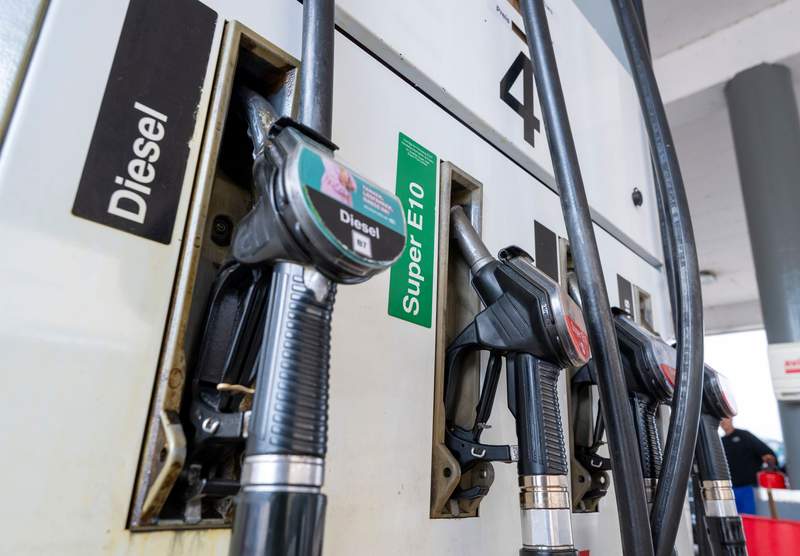
Because energy is always the kicker, isn’t it? Prices are climbing — stubbornly, relentlessly — — and there’s no telling where they’ll peak. The ripple effects are profound, impacting everything from fertilizer costs for European farms to the manufacturing giants trying to keep their factories humming. Small businesses are already feeling the pinch, — and households? They’re watching their heating bills climb, wondering if they’ll really be able to afford the upcoming winter.
“We’ve done everything we can to diversify our energy sources since the last crisis, but this particular conflagration presents a unique challenge,” admitted European Commission Vice-President Valdis Dombrovskis, his usual measured tone betraying a hint of palpable frustration during a recent press briefing. “It’s not just a matter of who we buy from, but whether there’s enough to buy, and at what price, when shipping lanes themselves are under threat.” It’s a classic EU bind: everyone agrees something must be done, but actually doing it, well, that’s another story.
And these economic tremors aren’t just rattling Europe. They’re shaking confidence in emerging economies, too. Take Pakistan, for instance. A country already contending with its own raft of economic woes — high debt, inflationary pressures, political instability — suddenly finds itself staring down the barrel of even more expensive oil imports. For a nation where energy costs can directly translate into social unrest, it’s a tightrope walk with no safety net. Regional instability, often linked to the broader Muslim world’s fault lines, has a nasty habit of exporting its troubles.
But how bad could it really get? The prognosis isn’t pretty. Financial analysts predict European GDP growth could dip below 0.5% next year, a stark revision from earlier, rosier forecasts of closer to 1.5%, citing “Middle East supply chain disruptions and persistent energy cost inflation” as primary drivers. That’s from a confidential briefing note from the European Central Bank — numbers don’t lie, even if politicians try to soften the blow.
It’s creating a climate of apprehension, a sense that Brussels is constantly reacting rather than proactively shaping its destiny. We’re hearing talk about fresh fiscal austerity measures in some member states, even as others demand more spending to buffer the hit. It’s a formula for tension — — and we’ve seen this movie before.
Even staunch European allies are watching nervously. “The interconnectedness of our economies means that a faltering Europe impacts us all,” stated Dr. Fareed Malik, a South Asian policy advisor currently tracking energy markets, speaking exclusively to Policy Wire. “When oil prices spike, countries like ours, heavily reliant on imports, see a rapid outflow of reserves. It strains everything. You can’t separate the crises — what happens in Tehran quickly impacts Lahore.” He’s not wrong, you know. Geopolitics doesn’t respect national borders or economic silos.
What This Means
This escalating economic uncertainty, fed by a volatile Middle East, means Brussels has few good choices. Politically, it’s a recipe for increased populism, as citizens look for scapegoats — and quick fixes. Right-wing movements, often critical of EU integration and international aid, gain traction when households feel the squeeze. Economically, the hit will deepen existing divides between richer — and poorer member states. Nations heavily dependent on industrial exports — looking at you, Germany — face higher operating costs, making their products less competitive globally. That’s bad for everyone. Also, the global scramble for secure energy supplies might just solidify some new, uncomfortable alliances that reshape trade patterns for decades. And that won’t necessarily be in Europe’s favor. So, don’t expect sunny forecasts from Brussels anytime soon; winter’s coming, and it’s looking bleak. Real bleak.