

Bangkok’s Bruised Canvas: Rungnarai’s Victory, Thailand’s Unseen Diplomatic Gambit
POLICY WIRE — Bangkok, Thailand — It wasn’t the political skirmish most policy wonks watch, nor an economic summit grabbing headlines. But inside Bangkok’s revered Lumpinee Stadium last...

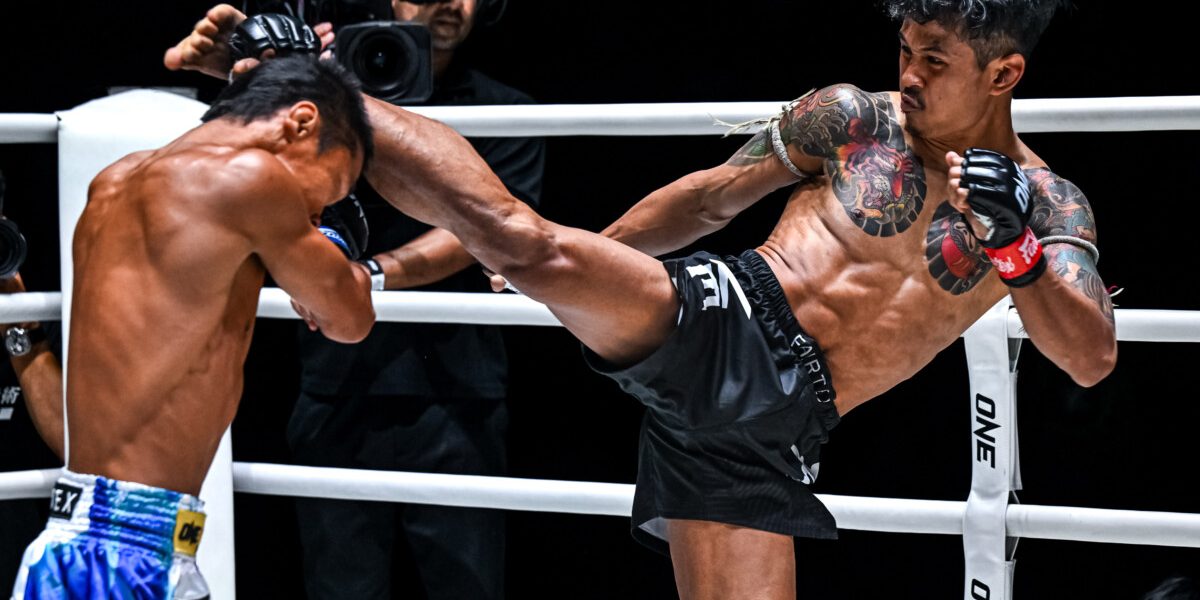
POLICY WIRE — Bangkok, Thailand — It wasn’t the political skirmish most policy wonks watch, nor an economic summit grabbing headlines. But inside Bangkok’s revered Lumpinee Stadium last Friday, as two-time Muay Thai World Champion Rungnarai Kiatmoo9 navigated a relentless, bloodied tango against Den Sitnayoktaweeptaphong, a far subtler, perhaps even more ancient, game unfolded. This wasn’t just a fight; it was a potent demonstration of cultural resilience, economic enterprise, and Thailand’s quiet projection of soft power across Asia, right down to its furthest reaches.
For onlookers—packed shoulder-to-shoulder, the air thick with anticipation and the scent of liniment—it was pure drama. But the deeper currents here are hard to ignore. We’re talking about an ancient martial art, once a battlefield necessity, now a globally recognized sport, underpinning an industry that provides livelihoods and national pride in spades. It’s a rough-and-tumble path to social mobility for countless young Thais, too.
Rungnarai, thirty years old — and looking every bit the seasoned warrior, spent a measured first round, sizing Den up. And Den, despite being the younger, hungrier lion, found himself intercepting clean counters as Rungnarai dialed up the aggression in the second. It wasn’t academic, mind you; it was brutal, tactical, a masterclass in how to stay cool when someone’s trying to rearrange your face. A nasty cut bloomed over Den’s eye from Rungnarai’s power shots—a stark, visual marker of accumulated damage, the kind that changes a fight’s momentum.
“Muay Thai isn’t just a sport; it’s our national heartbeat,” beamed General Prawit Wongsuwan, Deputy Prime Minister and head of Thailand’s National Olympic Committee, in a prior statement Policy Wire obtained. “It showcases Thai spirit, our people’s resilience, and brings the world to our doorstep, cementing our cultural identity.” You can’t argue with that sentiment, not when you see the crowds, both local and international, clamoring for a piece of the action.
By the third, it was an all-out slugfest, Den pushing forward, desperate for a big shot, Rungnarai expertly evading and racking up points with cleaner, crisper strikes. He knew what he was doing. It’s almost a clinical study in controlled chaos. When the final bell clanged, nobody was shocked to hear Rungnarai, professional record now sitting at 63-16, earn the unanimous decision. But beyond the immediate spectacle, this bout — one among dozens every week — serves a larger purpose.
The burgeoning industry surrounding events like ONE Friday Fights 154 offers an economic shot in the arm. Data from the Thai Ministry of Commerce (circa 2022) indicates the combat sports tourism sector alone injected over $250 million annually into the kingdom’s economy, with a significant percentage directly attributable to Muay Thai-related activities. But its influence extends far beyond mere cash.
📄 POLICY WIRE WHITEPAPER PUBLISHED: PAKISTAN'S NATIONAL SECURITY POLICY PRIORITIES
👉 READ BY CLICKING HERE“These Friday Fight cards, they’re more than just brawls under neon lights,” explains Dr. Fariq Abdul Rashid, a Kuala Lumpur-based regional policy analyst. “They’re intricate narratives of social mobility, cultural preservation, and, yes, a hefty dose of soft diplomacy across Asia – even resonating with young hopefuls from as far as Pakistan and other Muslim-majority nations, who find shared values of discipline and aspiration.” It’s about transmitting cultural norms, making connections that often fly under the radar of traditional statecraft. Because sometimes, a gut punch delivered by a national hero speaks louder than any official communique.
The vibrant fight scene, a cornerstone of Thai national identity, offers a different lens through which to view the kingdom’s broader cultural landscape, much like how archaeologists reconstruct the country’s ancient pasts from buried giants. It’s a contemporary manifestation of enduring cultural threads. From the remote training camps dotting the Thai countryside to the bright lights of Bangkok’s arenas, the path of the fighter reflects a kind of national character—tough, adaptable, and fiercely proud.
What This Means
This strawweight clash, ostensibly just another result on a Friday fight card, tells a far bigger story about Thailand’s regional and economic strategies. The continued popularity and global marketing of Muay Thai isn’t accidental; it’s a deliberate effort to leverage cultural heritage for tangible gains. Economically, it draws tourists and foreign investment, sustaining countless local businesses from gyms to equipment manufacturers. Politically, it strengthens Thailand’s ‘brand’ globally, providing a culturally resonant counterpoint to more traditional economic or military discussions. But don’t mistake it for mere pageantry. This kind of cultural export, particularly popular among aspirational youth in nearby nations and across the Muslim world, builds soft power organically. It cultivates an affinity for Thailand that transcends state-to-state relations, laying groundwork for future economic partnerships and cultural exchanges without a single politician ever stepping into the ring. It’s shrewd, it’s effective, — and it’s a whole lot tougher than diplomacy-by-committee.