


Whiplash Weather: New Mexico’s Perennial Thirst Meets Destructive Winds and Fleeting Rains
POLICY WIRE — ALBUQUERQUE, N.M. — New Mexico, a land perpetually flirting with aridity, finds itself yet again locked in a peculiar atmospheric tango. Forget the picturesque scenes of summer...

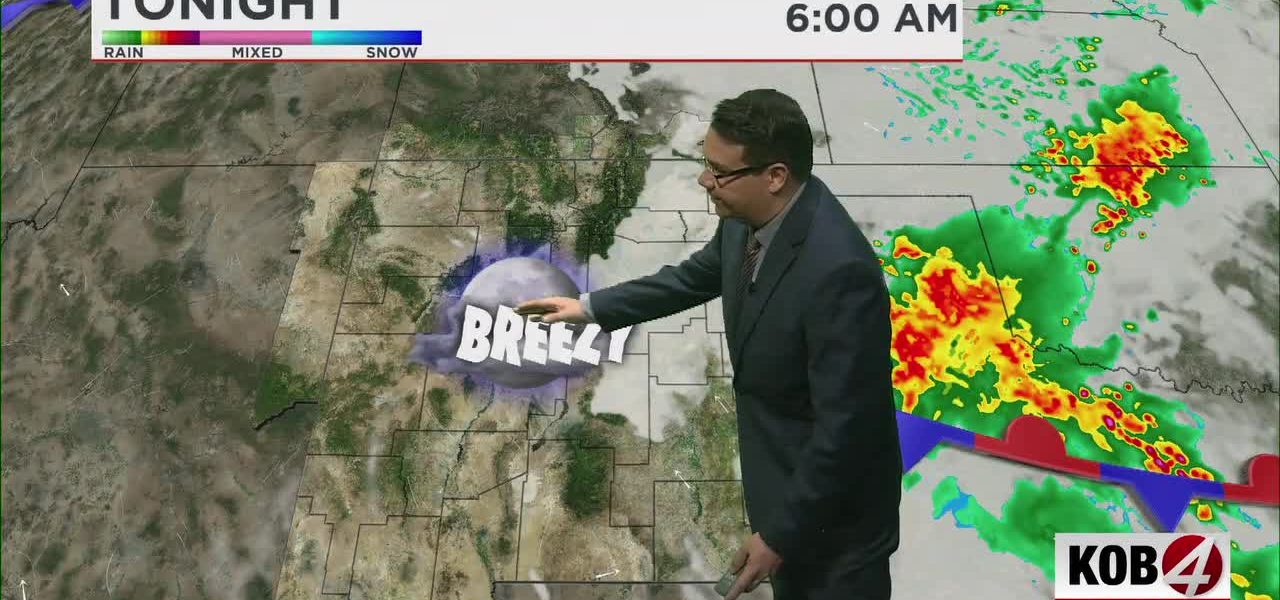
POLICY WIRE — ALBUQUERQUE, N.M. — New Mexico, a land perpetually flirting with aridity, finds itself yet again locked in a peculiar atmospheric tango. Forget the picturesque scenes of summer downpours quenching a parched earth; the forecast speaks of a more unsettling, two-faced tempest. Up north, residents are bracing for what can only be described as a cruel joke: storms, yes, but storms delivering more punch than pity. They’re high-based, bone-dry beneath, capable of whipping up fierce winds exceeding 50 mph—a significant threat for wildfires—but offering barely a spit of moisture.
It’s the desert paradox, really, where the clouds gather with great fanfare, yet only contribute to the dust devils’ fervor. That’s a rough deal for communities from Santa Fe up through Raton, where property and power grids are at risk from sudden, powerful gusts. You think a storm’s coming, a break from the heat, — and then it’s just the wind trying to pull your roof off. But things change quickly, don’t they?
Down south, especially around Roswell, Artesia, — and Hobbs, it’s a different story. The air there holds more humidity, carrying the promise of legitimate rainfall—and the subsequent headaches. These aren’t your gentle drizzles. We’re talking heavy downpours, frequent lightning that makes you wonder if Zeus himself is agitated, and small hail that can shred crops. The Storm Prediction Center isn’t just whistling Dixie; they’ve tagged southeast and east central New Mexico with a marginal risk for severe storms, particularly from 6 to 8 p.m. Thursday.
And it’s not just today. Another upper-level system from the northern Rockies is set to dive in for Thursday and Friday, perpetuating this climatic whiplash. Drier westerly winds will once again take center stage in the state’s west, while those eastern plains—near Clovis, Portales, and Tucumcari—will grapple with a beefed-up potential for damaging wind gusts, large hail, and torrential rains. The economic landscape for farmers here is often a gamble against these fickle skies.
“We don’t just plan for rain; we plan for whatever nature throws at us, which these days often feels like everything at once, and in unpredictable measure,” stated Tina Marquez, New Mexico’s State Emergency Management Director, with a sigh audible even over the phone line. “It’s the wild swings—extreme dry one moment, flash flooding potential the next—that stretch our resources thin.” It’s never simple, is it?
The situation isn’t lost on the agricultural sector either. “Every drop counts, sure, but a five-minute deluge that washes away topsoil isn’t the same as a sustained, gentle rain,” explained Juan Montoya, the state’s Deputy Secretary of Agriculture. “When high winds then follow, they undo what little good a sudden shower might have brought, not to mention threatening our critical chile and pecan harvests.” New Mexico, you see, produces over 70% of the U.S. pecan crop.
But how do such localized atmospheric theatrics in the American Southwest ripple beyond its borders? Consider Pakistan, for instance, a nation grappling with its own stark climate shifts, from severe drought to devastating floods, often exacerbated by a reliance on agrarian economies and complex water management systems. While the mechanisms differ, the vulnerability of populations to extreme weather events — whether it’s New Mexico’s dry storms fanning wildfires or South Asia’s erratic monsoons—illustrates a universal policy challenge. Food security, population displacement, and infrastructural resilience aren’t just regional concerns; they’re global threads. Because climate, it doesn’t respect borders.
What This Means
The relentless, chaotic weather pattern emerging in New Mexico—this peculiar blend of potentially destructive dry winds and isolated, intense downpours—is more than just a passing weather anomaly. Politically, it complicates water management policy, particularly as reservoirs continue to hover at worrying levels across the Colorado River basin, which impacts a significant portion of New Mexico’s water supply. State agencies are under increasing pressure to allocate finite resources for disaster preparedness, ranging from wildfire suppression to urban flash flood response, pulling funds that could otherwise go to long-term drought mitigation strategies or educational initiatives. It’s a zero-sum game, often.
Economically, the stakes are substantial. Agricultural producers face a triple threat: prolonged drought stressing crops, high winds damaging infrastructure, and sporadic, violent storms that contribute little to groundwater but plenty to crop damage and erosion. For livestock farmers, sustained drought drives up feed costs — and necessitates tough decisions about herd sizes. The state’s energy grid, particularly vulnerable in mountainous and rural areas, also bears the brunt of powerful winds and lightning, leading to localized outages that hit small businesses and remote communities hardest. Tourism, a significant revenue driver, can also see dips, especially for outdoor recreational activities, if wildfire risks soar or landscapes turn barren. It really puts a squeeze on things.
And because the climate system is a grand, interconnected beast, these localized stresses add to the broader global picture of instability. Droughts in major agricultural regions, even when punctuated by disruptive storms, can impact commodity prices. A bad season for chile in New Mexico or wheat in Kansas can translate to higher prices on dinner plates everywhere, disproportionately affecting developing nations in the Muslim world and South Asia already struggling with poverty and food insecurity. It’s a stark reminder that what happens in Albuquerque doesn’t always stay in Albuquerque.
Word count: 703