


Warsaw’s Measured Response: U.S. Troop Movements Stir Hope and Apprehension
POLICY WIRE — Warsaw, Poland — Forget the straightforward communiqués for a moment. Warsaw defense officials, steeped in a history of geopolitical betrayals—they know a...

POLICY WIRE — Warsaw, Poland — Forget the straightforward communiqués for a moment. Warsaw defense officials, steeped in a history of geopolitical betrayals—they know a strategic whisper from a genuine commitment. So when Washington decided to temporarily scale back some boots on Polish ground, Warsaw’s public reception was, well, polite. But don’t mistake that for unqualified cheerleading. There’s a nervous twitch, a quiet tallying of numbers that always accompanies America’s shifting allegiances in these parts. Poland’s got long memories. A landlocked nation, squeezed between powerful neighbors, doesn’t get giddy easily about ‘temporary’ movements of military assets. This ain’t their first rodeo with big promises.
The Pentagon, it seems, has offered some soothing words. Their redeployment, they insist, is more about recalibration than retraction. A rotation, an operational shuffle. But the truth is, any reduction, however framed, sends tremors through capitals that rely on that American shield. Especially when Russia continues to flex its muscles right next door. And because, for countries like Poland, that troop presence isn’t just a number; it’s an insurance policy written in blood and steel.
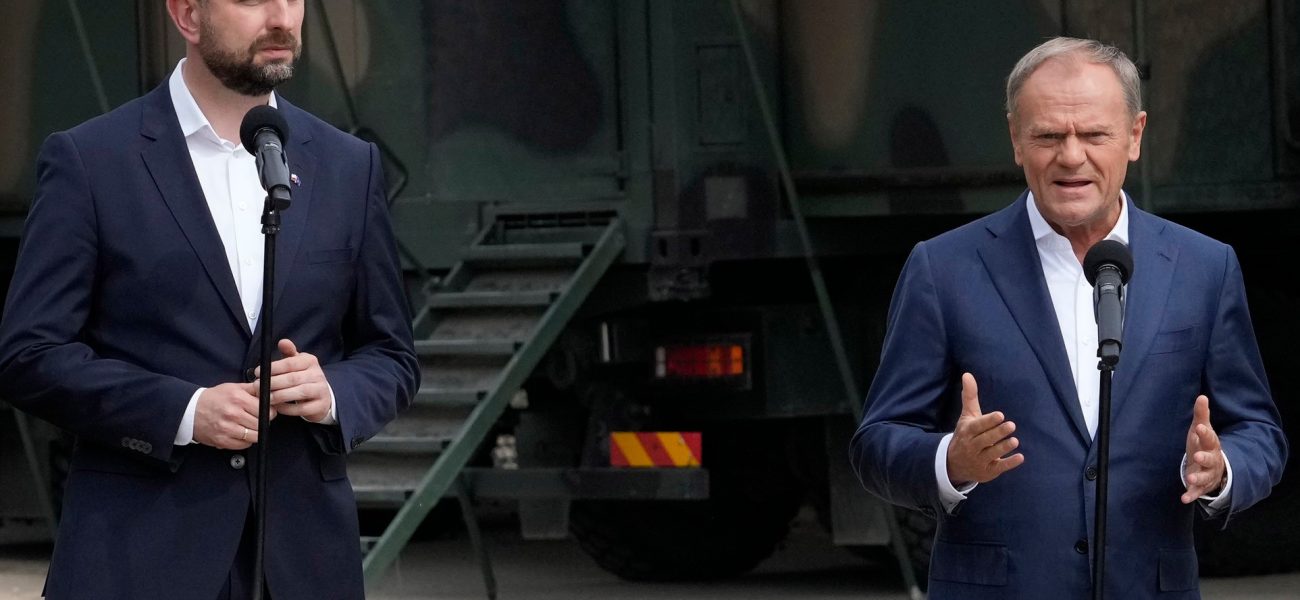
Polish Defense Minister Władysław Kosiniak-Kamysz, always careful with his words, didn’t hide the underlying satisfaction, saying, "We appreciate the reaffirmation from our American partners. Their word is good. This underscores the robust, enduring nature of our alliance." A proper diplomatic nod, it was. But underneath that boilerplate, you can almost hear the unsaid: "…for now." It’s a sentiment echoed across NATO’s eastern flank, where every American step is parsed, scrutinized for clues to Uncle Sam’s long-term global gaze.
But Washington’s perspective, they’d argue, is simply about optimizing its force posture. The Biden administration’s special envoy to Poland, Mark Brzezinski, often known for his candid assessments, weighed in. "This isn’t a retreat; it’s a strategic maneuver for greater flexibility. Our commitment to Poland’s security and to Article 5 is absolute, unequivocal." His words carried the weight of established policy, a clear effort to calm frayed nerves that still recall the Cold War’s bitter chill. Yet, that ‘flexibility’ can sometimes feel like a thin line separating staunch commitment from convenient disengagement.
See, Poland — a country that hosts approximately 10,000 U.S. troops, an increase of over 40% since Russia’s full-scale invasion of Ukraine in 2022, according to official Pentagon data — doesn’t just want reassurance; it demands palpable, boots-on-the-ground presence. It’s a psychological fortress as much as a physical one. Any drawdown, however minor, feeds into the narratives spun by Kremlin propagandists, who delight in portraying NATO as a paper tiger, easily spooked.
This whole scene, incidentally, plays out with considerable interest far beyond Europe’s borders. Countries like Pakistan, for instance, a longstanding, albeit sometimes prickly, U.S. partner, observe these dynamics closely. They’ve seen how quickly U.S. strategic attention can pivot, how commitments can stretch thin, how promises morph into "temporary re-calibrations." Whether it’s counter-terrorism operations or regional stability, the perceived strength of America’s commitments in one theater can affect the confidence — or apprehension — of allies watching from thousands of miles away in South Asia or the broader Muslim world. The ‘shadow of the drone,’ as it were, touches more than one region.
For these nations, a seemingly small decision about troop levels in Poland isn’t merely about Polish defense; it’s about the reliability of the entire American security umbrella. If the U.S. shifts focus — even temporarily — where else might its gaze wander? And will allies always be included in those evolving plans? Because when push comes to shove, partners expect consistent backing, not diplomatic acrobatics. They don’t want to feel like a bargaining chip in a larger, global chess game, however ‘strategic’ the move might be.
What This Means
This ‘temporary’ troop reduction isn’t just a military administrative task; it’s a diplomatic tightrope walk. Politically, it allows Washington to demonstrate flexibility — or perceived resourcefulness — without alienating a fiercely loyal NATO ally. Economically, while the direct impact of moving a few hundred soldiers might seem negligible on GDP, the broader confidence in defense spending — both U.S. aid — and Poland’s own accelerated military modernization — is influenced. Poland’s government is signaling to its populace that its Western alignment remains unshakeable, despite these minor tremors. But watch how the opposition parties pick apart this ‘temporary’ narrative. They’ll question how temporary is ‘temporary’ when the neighborhood’s chief aggressor isn’t exactly scaling back. It’s about optics, reassurance, — and the constant battle against perceived vulnerability.
This entire scenario spotlights a broader phenomenon: the U.S., strained by various global commitments, attempts to manage its immense military burden while maintaining credibility with partners. Poland’s welcome, therefore, was less a celebration and more a statement of cautious hope, a pragmatic acceptance of an evolving strategic landscape. It’s an affirmation of alliance — sure. But also a very quiet plea: “Don’t leave us hanging.” And in geopolitics, sometimes the unspoken anxieties scream the loudest.