


When Earth Flies: Golfer’s Frustration Sends a Stark Message to Sportsmanship
POLICY WIRE — New York, USA — It’s often the minutiae that exposes the fault lines. Not the perfectly arced 300-yard drive, nor the laser-focused putt under championship pressure, but rather, a...

POLICY WIRE — New York, USA — It’s often the minutiae that exposes the fault lines. Not the perfectly arced 300-yard drive, nor the laser-focused putt under championship pressure, but rather, a small chunk of turf—a mere divot—that became an airborne projectile, colliding with a volunteer’s face. The incident, involving golf’s fiery maestro, Jon Rahm, at the PGA Championship, was a momentary lapse. But its ripple effect, even in an otherwise pristine sporting spectacle, speaks volumes about athlete accountability, the commercial pressures of elite sport, and the unseen risks shouldered by the anonymous legions propping up these multi-billion-dollar events.
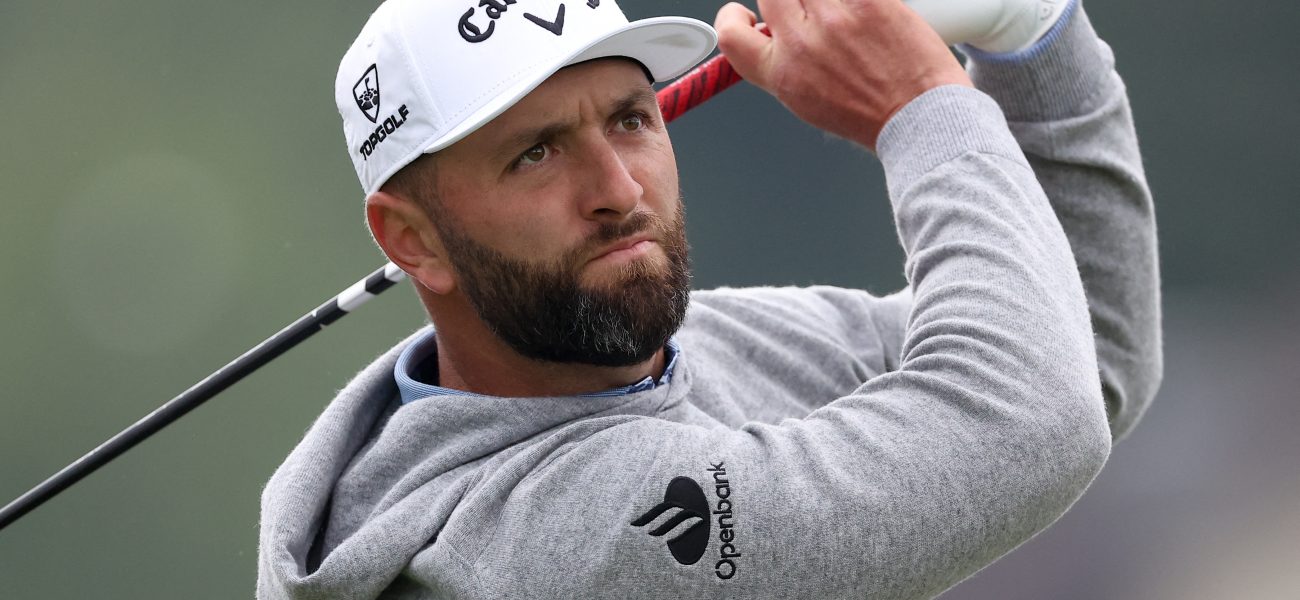
On a brisk Thursday at Aronimink, the pristine facade of professional golf briefly cracked. Rahm, evidently incensed after his approach shot on the par-4 seventh veered long, didn’t just grumble. He whipped an iron through the rough—an impulsive, frustrated ‘air swing,’ as he later described it. And then, gravity, or rather, kinetic energy, had its say. A divot, not just harmless dirt, dislodged and rocketed into the face of an unwitting PGA volunteer standing dutifully behind the ropes. You just couldn’t script it. The kind of raw, unvarnished moment usually edited out of carefully curated sports montages.
“Look, I messed up, plain and simple,” Rahm conceded, a rare tremor of sheepishness in his usually robust tone, post-round. “My intention was never to harm anyone, of course. I just wasn’t thinking, reacted badly, — and unfortunately, somebody paid the price for my temper. That’s inexcusable.” He rushed over, he says, immediately. And he ought to have. The imagery, fleeting as it was, became a micro-drama — an accidental assault caught on digital devices, instantly amplified.
The PGA Tour, forever walking that delicate tightrope of maintaining brand integrity while allowing individual personalities to shine, finds itself in an interesting spot here. Golf, after all, prides itself on decorum, quiet respect, and—above all—sportsmanship. This wasn’t some minor tantrum; it was a physical blow, however unintended, against a non-combatant. But it’s also a sport increasingly chasing younger demographics, seeking that edge, that bit of ‘human’ drama.
“Athlete conduct is something we take extremely seriously,” offered Mark Caldwell, PGA’s Chief Operations Officer, in a statement provided exclusively to Policy Wire, his words carefully chosen, devoid of overt criticism. “Our volunteers are the backbone of these events, — and their safety is absolutely paramount. We have mechanisms in place to address any deviation from expected professional behavior, but incidents of this nature, while rare, serve as a stark reminder of the energy and emotion involved at this level.”
But consider the optics. In markets like Pakistan or other emerging golf landscapes in South Asia, where the sport’s traditions are still being cultivated, such public displays of temper could easily be misconstrued, even alienating. It’s not just about a few headlines; it’s about establishing a global reputation for a sport often perceived as exclusive. For fledgling golf associations, trying to broaden the sport’s appeal among young people or recruit volunteers, moments like this can cast an unwelcome shadow. Because respect for others, especially those in supportive roles, often forms a foundational cultural tenet in these regions.
📄 POLICY WIRE WHITEPAPER PUBLISHED: PAKISTAN'S NATIONAL SECURITY POLICY PRIORITIES
👉 READ BY CLICKING HERERahm, currently ranked 20th in the Official World Golf Rankings and a high-profile defector to the Saudi-backed LIV Golf circuit, embodies a new era of professional golf where allegiances and decorum are under constant scrutiny. He closed his day at one-under 69, posting eight straight pars after the incident. A kind of mental reset. A golfer, even one prone to frustration, can—and usually does—find their stride again.
What This Means
This episode, minor as it might seem in the grand scheme of a major championship, isn’t just about a golf ball or a divot. It’s about control, reputation, — and the relentless demands on athletes. Economically, these high-stakes global tournaments generate staggering revenue; according to the *Golf Business Magazine*, the total golf industry contributed $84 billion to the U.S. economy alone in 2022, — and its global reach is constantly expanding, particularly into developing markets. But the brand equity is surprisingly fragile. An unintended projectile from a celebrated athlete can, however fleetingly, puncture the carefully crafted image of civility.
The incident reminds us that even with million-dollar sponsorships and global ad campaigns, the human element—the raw, sometimes ugly, frustration of competition—remains untamed. It’s a crucible where reputations are forged, but also where the slightest misstep can become a viral moment, forcing athletes and governing bodies to recalibrate. It’s not about cancelling Rahm, or condemning a momentary loss of composure; it’s about the nuanced implications of such events in an interconnected world where perception often outweighs intent, especially when the goal is to captivate new audiences. It shows us that even the most rehearsed spectacle can descend into a brief, painful reality check, underscoring that human emotions, unbridled, will always find a way to break through the polite veneer, sometimes with a literal impact.