

The Silent Chord: Al Hurricane Jr.’s Farewell Echoes Through New Mexico’s Cultural Landscape
POLICY WIRE — ALBUQUERQUE, N.M. — Some sounds you just expect to be there, like the desert wind or the low thrum of daily life. For decades in New Mexico, another, equally ingrained sound was the...

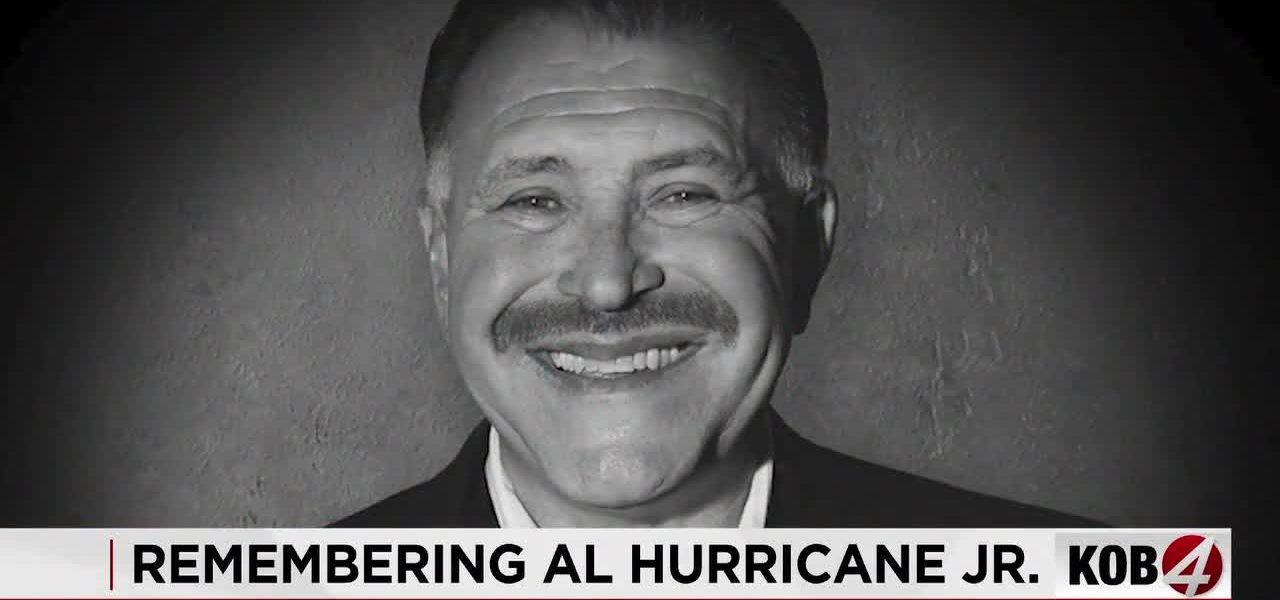
POLICY WIRE — ALBUQUERQUE, N.M. — Some sounds you just expect to be there, like the desert wind or the low thrum of daily life. For decades in New Mexico, another, equally ingrained sound was the vibrant, singular force of Al Hurricane Jr.’s guitar, a man who didn’t just play music—he was the rhythm section for a whole state’s soul. So, when his family dropped the news on Tuesday that the 66-year-old maestro had left the stage, it wasn’t just sadness; it was a collective intake of breath, a recognition that a core piece of New Mexico’s sonic identity had just been muted.
It’s not every day an artist becomes synonymous with a state, much less helps forge its modern musical idiom. But Al Hurricane Jr. managed it, often quietly, sometimes thunderously. Those who shared the stage or the studio with him recount a musician less concerned with fanfare and more with fidelity to his craft and the heart of local tradition. Donny Tesso, a bandmate from way back, remembers their first meeting in ’88, citing a mastery that bordered on uncanny. “Junior had the formal training, yes, but he also read music like it was his native tongue,” Tesso remarked. “He understood the guts of a melody, making complex arrangements feel simple, yet always, always clever. Most artists? They just can’t pull that off.”
And that’s the thing, isn’t it? His musical fingerprints are everywhere. Another former colleague, Gonzalo, freely admits that his own subsequent career owes a profound debt to those eight years he spent alongside both Hurricane Sr. and Jr. between 1995 and the early 2000s. “They laid the groundwork,” he explains. “They showed you how to branch out, how to find your own voice by respecting where you came from.” That sense of mentorship, of quiet elevation, marks his legacy as much as the catchy tunes.
But the reverberations go beyond bandstand recollections. John Traub, president of the Albuquerque Isotopes, confessed to an initial disbelief when the news broke. “Shock, truly. The first thing I did was call my staff, and they already knew; the silence in our offices was something you could almost feel.” The team at the Isotopes had grown accustomed to Hurricane Jr.’s presence, a fixture at their games. “He played live during a fireworks show once,” Traub recalled. “He became, frankly, synonymous with our Copa initiative. It’s a void, he’s just really going to be missed for a long time by all of us.”
The question now, beyond the tributes — and moments of silence, turns to stewardship. Who carries the torch, — and what exactly *is* that torch now? State Representative Elena Martinez (D-District 16), known for her staunch advocacy for cultural preservation, noted, “This isn’t merely the loss of a performer; it’s the passing of an elder statesman of our identity. Al Hurricane Jr.’s music didn’t just entertain; it educated, it bound generations together. It’s imperative we invest in institutions that can safeguard this unique heritage, preventing it from being diluted by homogenous national trends.” Her words carry weight in a state constantly grappling with how to project its distinctiveness.
Then there’s the economic impact, often overlooked when we talk about ‘cultural loss.’ “Local artists like Al Hurricane Jr. are economic anchors,” asserted Dr. Bilal Ahmed, an associate professor of regional economics at New Mexico State University. “They attract tourism, they fuel smaller venues, they sell merchandise, and their live performances put money into the pockets of sound engineers, stagehands, and local businesses. A study by the New Mexico Department of Cultural Affairs in 2022 estimated that locally-produced music contributed nearly $70 million annually to the state’s economy. The loss of a figure like Jr., while not directly erasing that figure, undoubtedly impacts the vitality that sustains it.” It’s not just about ticket sales, see; it’s the ecosystem.
What This Means
Al Hurricane Jr.’s departure presents New Mexico with more than just a somber moment; it’s a cold splash of reality concerning cultural longevity and economic resilience. His distinct ‘Música Nuevo Mexicana,’ a potent brew of country, rock, and traditional Spanish folk, serves as a prime example of how local arts forge robust community bonds and stimulate micro-economies. Because, let’s be frank, globalized pop culture can easily swallow regional flavors if they aren’t actively cultivated and defended.
But there’s also a curious, enduring connection that extends far beyond the sun-drenched mesas of New Mexico. In nations like Pakistan, for instance, traditional folk music – whether it’s Punjabi bhangra or Pashto ghazals – serves a remarkably similar role: a repository of history, a communal pulse, and a fiercely guarded marker of identity in a world often pulling towards uniformity. The passing of a qawwali master or a regional ghazal singer in Punjab evokes the same profound, identity-shaping sorrow as Hurricane Jr.’s passing does here. They’re both voices from the earth, speaking in their own tongues but sharing a universal dialect of heritage and belonging. This isn’t just about New Mexico; it’s about communities worldwide realizing just how fragile their cultural foundations can be when their iconic architects depart. What lessons will be learned here about bolstering arts education, protecting independent venues, and recognizing the tangible value of the intangible? The future, for now, sounds a little too quiet to tell.