


Collegiate Gridiron Gambit: A Quarterback’s Battle Against the House, the NCAA, and Himself
POLICY WIRE — Lubbock, Texas — Young Brendan Sorsby, his future tethered to a football—and now, the labyrinthine coils of the Texas judiciary—is living proof that the allure of the wager can snatch...

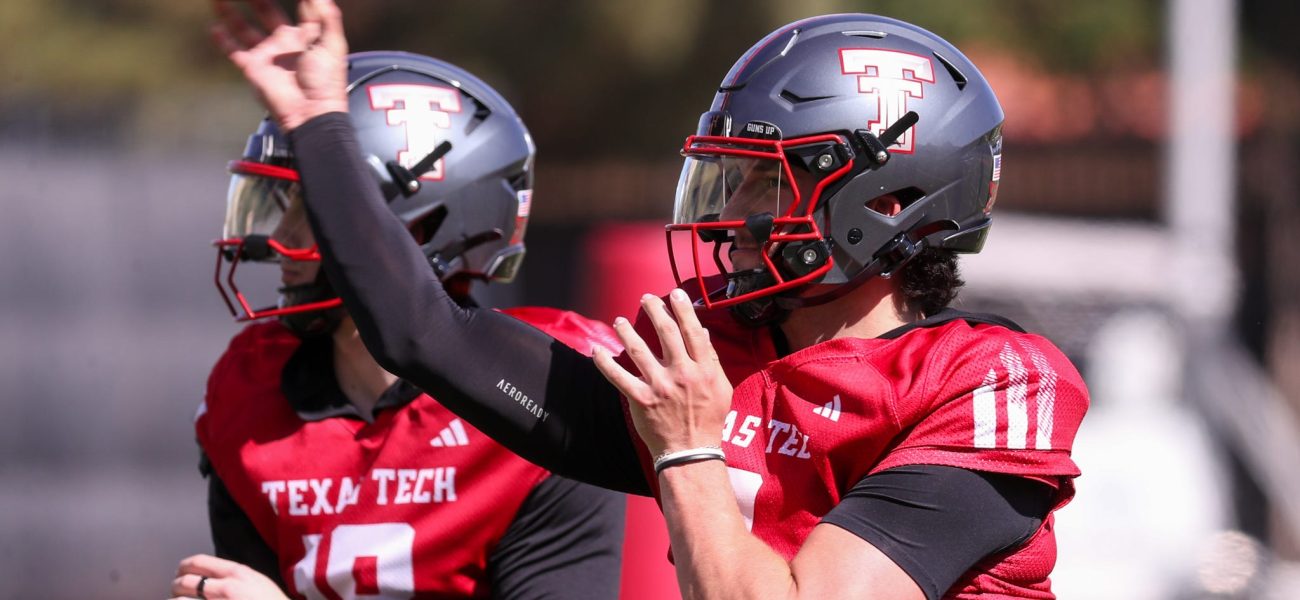
POLICY WIRE — Lubbock, Texas — Young Brendan Sorsby, his future tethered to a football—and now, the labyrinthine coils of the Texas judiciary—is living proof that the allure of the wager can snatch even the most promising careers right out from under a kid. Here’s a guy, a talented quarterback, who was supposed to be the answer for the Texas Tech Red Raiders. Now? He’s bogged down in a legal skirmish, desperate for an injunction to salvage his eligibility for the 2026 season—and maybe, just maybe, a shot at the NFL supplemental draft.
His 514-page legal filing dropped like a brick on May 18th, aiming to untangle him from an NCAA ban. But even that didn’t quite go to plan. Just when he needed judicial clarity, the case got a new wrinkle: District Judge Phillip Hays, an alumnus of both Texas Tech University and its law school, recused himself. You couldn’t make this up. Hays, you see, penned an order stepping aside, sending Sorsby’s urgent plea for a temporary injunction—needed by mid-June, mind you—into judicial limbo. It’s Judge Anna Estevez’s unenviable job now to find a fresh set of robes to hear this mess.
Sorsby’s woes stem from NCAA gambling violations. The lawsuit frames it as a tragic descent into addiction, starting in high school with seemingly innocuous trips across the Oklahoma border. Then, small bets—mostly on his own team to win, or teammates to perform well—crept in during his 2022 season at Indiana, with stakes typically hovering between five and fifty bucks. But he argues he quit betting on his own squad that October, once he actually started getting reps as backup QB, and insists he never wagered against his team or manipulated games. The suit even trumpets that the NCAA’s “robust, real-time integrity-monitoring systems” never flagged him before April 2026.
Texas Tech, for its part, declared Sorsby ineligible, but quickly started making noises about “reinstatement process.” They released a statement from Tech Athletics that spoke of “finalizing an agreed-upon stipulation of facts between Texas Tech University, the NCAA, and Brendan Sorsby.” And, because it gets darker, an April 27th statement from the university disclosed that Sorsby himself acknowledged a gambling addiction, leading to a 30-day inpatient treatment stint. The kid’s in a bad way, by all accounts.
“This isn’t just about a football player; it’s about a systemic issue reverberating through college athletics,” observed State Representative Eliza Thornton, a known advocate for student-athlete welfare. “We’re asking young adults to navigate unprecedented financial pressures and widespread legal sports betting without adequate support. It’s an untenable equation.”
That pressure, it turns out, is everywhere. And for every American kid like Sorsby navigating these newly legal gambling waters, you have to think about what this means on a global scale. Places like Pakistan, for instance, where strict religious and cultural norms mean gambling is largely illegal, still grapple with illicit betting, often connected to sports like cricket. But the West’s pivot to commercializing something long considered vice — that’s a different kind of tightrope walk.
Because sports betting isn’t a niche hobby anymore. According to the American Gaming Association, legal sports betting generated an astounding $10.92 billion in revenue in 2023 across 38 states and D.C. It’s an economic behemoth, creating both tax revenue and, evidently, a whole new layer of vulnerability for athletes. Meanwhile, sources within the NCAA, like senior enforcement officer Dr. Julianna Vance, state unequivocally: “Our paramount concern remains the integrity of collegiate competition. While we acknowledge the personal battles individuals face, the rules designed to protect our games must be upheld without exception.” They’re stuck between a rock and a hard place, trying to protect athletes and the game’s reputation.
What This Means
The Sorsby saga isn’t merely a localized skirmish over one athlete’s future; it’s a chilling harbinger for the burgeoning sports gambling industry and its inevitable collision with collegiate integrity. The recusal itself underscores the judicial system’s acute sensitivity to appearances, hinting at a broader anxiety surrounding conflicts of interest in an era where massive money permeates every corner of sports. Economically, this case could influence how universities and the NCAA draft future policies regarding athlete conduct and mental health support, especially given the financial incentive of legal betting operations. If similar cases multiply, the regulatory framework could shift dramatically, potentially demanding greater transparency from gambling operators or more robust intervention programs for young athletes. Politically, expect legislators, particularly those in states with active sports betting markets, to weigh in on what constitutes a fair balance between athlete agency, commercial interests, and the purity of amateur sports. This isn’t going away, — and it’s certainly not getting simpler anytime soon.