


America’s Flying Paradox: TSA Signals Green for Medical Pot, Federal Law Stares Black
POLICY WIRE — Washington D.C. — Imagine packing for a cross-country flight, medical card in hand, your necessary prescription neatly stashed. Now, imagine a federal agent – technically – not caring....

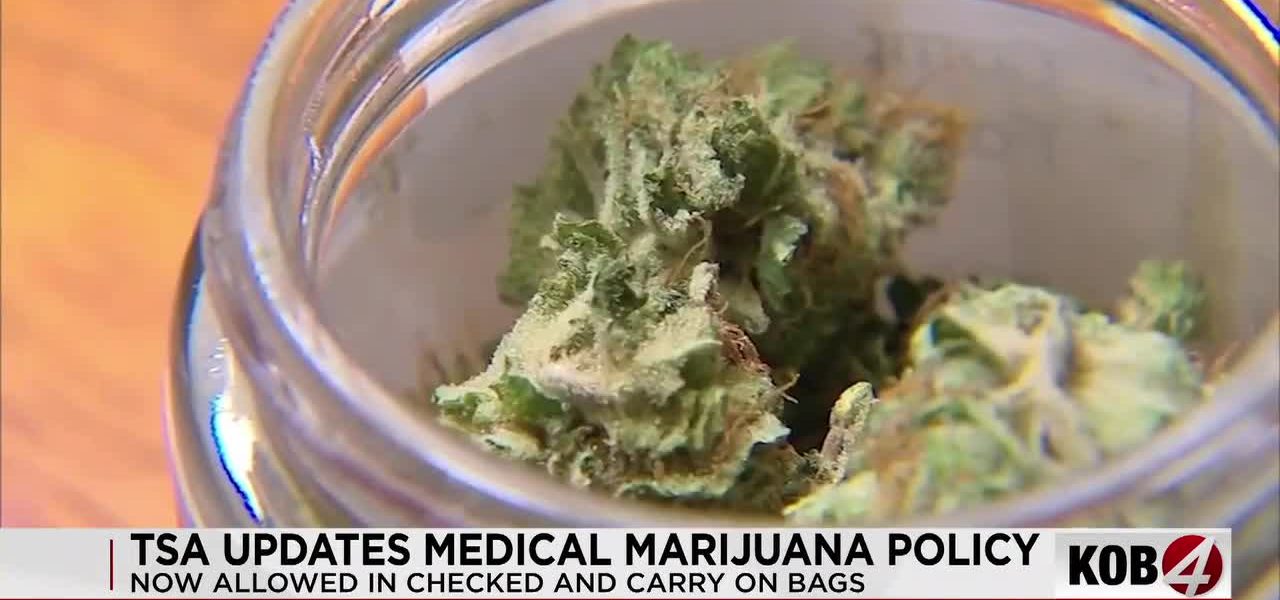
POLICY WIRE — Washington D.C. — Imagine packing for a cross-country flight, medical card in hand, your necessary prescription neatly stashed. Now, imagine a federal agent – technically – not caring. This isn’t some outlandish hypothetical from a policy wonk’s fever dream; it’s the dizzying reality American travelers navigate after the Transportation Security Administration (TSA) quietly, almost nonchalantly, clarified its stance on medical cannabis in carry-on and checked bags. They’re not looking for it, mind you, but if they stumble upon it, well, that’s another story entirely. It’s an almost perfect encapsulation of federal disinterest warring with state-level progression.
Since April 27th, the security agency, whose primary mission remains thwarting airborne mayhem, won’t actively scour your belongings for doctor-approved pot. But don’t misunderstand: it’s not a free pass. The unspoken rule, really, is that if something ‘illegal’ appears during the course of a security check — let’s say, a half-ounce of premium Indica for chronic pain tucked into your toiletry bag — then it’s no longer the TSA’s problem. It immediately becomes law enforcement’s. “TSA’s screening procedures are focused on security and are designed to detect potential threats to aviation and passengers,” reads the agency’s official guidance. “Accordingly, TSA security officers don’t search for illegal drugs but if any illegal substance or evidence of criminal activity is discovered during security screening, TSA will refer the matter to a law enforcement officer.” Simple, right? Hardly. It’s a delicate dance on the knife-edge of legality.
Because federal law still classifies marijuana as a Schedule I controlled substance. No matter what your state ID or physician’s note says. And as of early 2024, 38 states, three territories, and the District of Columbia permit the medical use of cannabis, according to the National Conference of State Legislatures (NCSL). That’s a huge chunk of the nation operating under a completely different paradigm than the folks wearing the federal uniform. This creates an unholy legal snarl at every airport checkpoint, particularly in states like New Mexico, where both recreational and medical marijuana are legal, but federal jurisdiction still reigns supreme inside the terminal gates. What do you tell a patient traveling from Albuquerque to, say, Dallas? Don’t get caught.
“We’ve been arguing for years that federal prohibition against state-legal cannabis is untenable,” commented U.S. Representative Earl Blumenauer (D-Ore.), a vocal advocate for federal marijuana reform, through a spokesperson. “This latest TSA directive doesn’t fix the underlying problem, but it does show how ludicrous our current drug laws are when a federal agency essentially says, ‘We know you need it, we’ll look the other way, but we can’t protect you either.’ It’s bureaucratic doublespeak.” But on the other side, Senator Chuck Grassley (R-Iowa), long a proponent of federal drug enforcement, cautioned against misinterpreting the policy. “The federal statute hasn’t changed a bit,” he reiterated in a statement provided to Policy Wire. “Law enforcement at the federal level still has a sworn duty to uphold the laws of the United States. Passengers carrying illicit substances, regardless of state statutes, remain subject to arrest and prosecution.” The clarity, you see, is anything but clear.
The situation presents a stark contrast to nations where federal control over illicit substances is absolute and unquestioned. In many parts of the Muslim world, including Pakistan, for instance, even discussing cannabis in the context of legal medicinal use is practically unheard of, let alone navigating a Byzantine federal-state divide. Penalties for possession can be severe, uncompromisingly enforced. It highlights just how exceptional (and convoluted) America’s current dilemma is. The fragmented U.S. approach isn’t just confusing for citizens; it makes international comparisons of drug policy feel like apples and oranges, where America’s fruit bowl often just looks… messy.
What This Means
The TSA’s updated stance isn’t a victory for cannabis legalization; it’s a symptom of deeper policy inertia. Economically, this ‘don’t ask, don’t tell’ approach doesn’t legitimize the burgeoning medical cannabis industry on a federal level, which still faces crippling banking restrictions and interstate commerce hurdles. You can’t ship your medical marijuana from a legally sanctioned dispensary in Oregon to a patient in Texas, even if both states allow it. This policy effectively limits medical cannabis patients to ground travel or very risky air travel, stifling economic growth and patient access alike.
Politically, it underscores the deep chasm between Washington — and a majority of American states. The Biden administration, while signaling some easing on marijuana enforcement and reviewing its Schedule I classification, hasn’t dared to fully de-schedule the substance—yet. This leaves agencies like the TSA in an unenviable position, forced to contort their policies to acknowledge a de facto reality while technically adhering to a de jure fiction. And patients, despite possessing a legitimate medical need, are left in a legal limbo, constantly scanning airline websites and TSA bulletins for crumbs of clarity. Washington often cleans up tangled webs, but this one remains a Gordian knot, untamed. The next legislative cycle might just bring some actual federal action. Or, more likely, more agonizing half-measures.
The issue of federal versus state jurisdiction isn’t limited to cannabis. We see it in immigration policies, environmental regulations, and even in sports, like the curious economic ripples through South Asian cricket. Like Dhaka’s ambitious play against Pakistan, states are charting their own course. For cannabis users, particularly those with genuine medical needs, the TSA’s subtle shift offers a glimmer of pragmatic non-enforcement. But it’s not security. It’s an absence of proactive intervention, — and that’s a fragile thing to rely on.